






Tallinn Breakfast and Brunch Guide: A Morning Story Told Neighborhood by Neighborhood
Early light hits Tallinn differently depending on where you stand. In Old Town, it glints off wet cobblestones and the pale facades of Hanseatic houses, while a few blocks away in Kalamaja it slides across wooden porches and the rails of sleeping freight sidings. Breakfast is where these worlds meet, in small rooms that slowly fill with steam, coffee scent, and the quiet murmur of locals starting the day.
Follow the first hours of the city and you begin to see how Tallinn breakfast culture works. Estonian staples like black bread, porridge, and curd snacks, as like they call “Kohuke” share the table with oat milk flat whites, vegan bowls and in a few places, a glass of pale ale from a brewery down the street. Menus tilt with the season, trams trace simple lines between neighborhoods, and each area has its own way of waking up.
This Tallinn breakfast and brunch guide treats the morning as an itinerary rather than a checklist. You will move from Kalamaja workshops to Old Town courtyards, with pauses built in for work, wandering, or just watching the city stretch into the day. By the end you will know not only where to sit down, but what those rooms mean to the people who already do.
Morning Neighborhoods Uncovered: Where Tallinn’s Breakfast Culture Awakens
Tallinn breakfast neighborhoods are compact, but each one holds a distinct pace. Kalamaja and Telliskivi lean into slow, creative mornings, Old Town shapes breakfast around stone walls and tourist rhythms, and the newer Rotermann Quarter provides sharp modern edges and quiet lobbies that feel almost like reading rooms. A tram ride of ten or fifteen minutes shifts you between these moods with very little effort.
This section traces how breakfast operates in three of the most useful areas for visitors. Think of it as a loose map. You might spend a whole morning in one quadrant of the city, or ride tram number 1 or 2 and string them together, watching the crowd on each platform change as you go.
Kalamaja and Telliskivi: Artisanal Mornings Amidst Wooden Houses and Cozy Cafes in Creative District
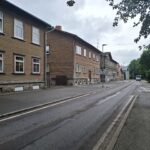
Kalamaja and Telliskivi sits just beyond the Old Town walls, yet the feeling changes the moment you cross the railway. The streets run wider here, lined with pastel wooden houses from the early twentieth century, many still a little worn. Early mornings stay quiet until close to nine, which suits the neighborhood. People walk dogs, children cut across Vana-Kalamaja street toward school, and cafés ease into the day rather than flip a switch.
Locals treat Kalamaja as a living quarter first and a café district second, which shapes how mornings look. Typical breakfast pricing runs from about 5 to 12 euros, enough for porridge and coffee or a plate of eggs and salad in most places. Bicycles lean against doorways, and the tram on Põhja puiestee hums with riders heading to the center or Telliskivi.
Tallinn’s Telliskivi and Kalamaja neighborhoods are home to an exceptional artisan baking and coffee scene, anchored by three distinct local favorites. Karjase Sai brings a world-class baking philosophy to the area, transforming simple ingredients into edible art. The bakery is famous for its golden, laminated pastries and flawless sourdough bread, balancing classic techniques with bold, innovative flavor profiles that change with the seasons. Just steps away, Cafe Fika offers a sanctuary inspired by the Swedish tradition of taking a mindful pause. The team approaches specialty coffee with precision, serving expertly brewed drinks alongside fresh morning buns and warm sandwiches in an inviting space designed for slow, intentional mornings. A short walk into the historic wooden streets leads to Kalamaja Bakery, a cozy cornerstone of the community. This bakery captures the nostalgic essence of traditional Estonian baking, focusing on comforting classics like rich cinnamon buns, savory pies, and authentic black rye bread. Together, these three spots create the ultimate neighborhood crawl, offering everything from avant-garde pastries and precision espresso to comforting, time-honored baked goods.
Behind the train station, Balti Jaam Market fills its stalls from 9:00 onward, though the building itself wakes earlier. Morning at the market feels calm compared to later in the day. A few vendors bring crates of local apples in season, others stack jars of honey or pickles. Upstairs and along the market edges, small cafés offer quick breakfasts, usually opening from 9:00 to mid afternoon. You might take a plate of karask barley bread with cheese and tomato, or a simple bowl of porridge finished with jam. The air carries a mix of smells: coffee, smoked fish, candy, and the faint sour note of fermented vegetables from one of the pickle stands.
Kalamaja mornings tend to draw a younger crowd, many of them creative professionals, designers, and freelancers, along with families pushing strollers. The tempo sits midway between sleepy suburb and active city. Summer menus fold in fresh berries, herbs, and lighter salads, while winter brings back porridges with butter and cream, and heavier rye loaves. Some spots quietly list bottles from Põhjala or other local names on the side shelf, a sign that breakfast and beer pairings have started to seep into daily life.
If you like to connect places into a route, Neighborhood guides: Kalamaja and Telliskivi offer a deeper sense of how these streets link together, and the Tallinn craft beer guide shows how Põhjala and other breweries feed into what appears on Kalamaja café menus.
Old Town (Vanalinn): Historic Cobblestones and Timeless Cafés for Breakfast
Old Town wakes in layers. Delivery vans and café staff move first, then office workers cut through the squares, and only later do tour groups appear with umbrellas held high. For breakfast, this staggered start matters. Around eight or eight thirty, Saiakang street and Voorimehe street can feel almost private, with just the sound of footsteps on stone and the click of cups inside narrow doorways. By late morning, the main street of Viru fills with voices.
Cafés here balance two audiences: the daily life of locals who use Old Town as a thoroughfare, and visitors seeking atmosphere with their coffee. Pricing reflects the architecture, usually from 8 to 15 euros for a breakfast plate, but certain tables in quiet courtyards or upper rooms earn their premium simply through stillness. Popular places are in Old Town Reval Cafe, Maiasmokk Cafe, PullaBakery, Saiakangi Cafe and Pagaripoisid.
Reval Cafe in Müürivahe street is a staple of Estonia’s cafe culture, known for its cozy atmosphere and reliable, delicious food. While it serves a great lunch and dinner, it truly shines during the morning hours, making it a go-to destination for breakfast and brunch lovers. Whether you are looking for a quick morning fuel-up or a slow, lazy weekend brunch, the menu caters to every kind of morning appetite. For those who prefer a classic start, they offer perfectly cooked eggs in various styles, from rich Eggs Benedict with smoked salmon or ham to hearty omelets packed with fresh ingredients. If you lean toward a traditional, comforting morning, their warm oatmeal topped with berries or a selection of freshly baked, flaky croissants paired with house-made jam will hit the spot. For a more modern brunch experience, you can indulge in stacked pancakes drizzled with syrup, or choose from their selection of loaded avocado toasts. They also pay homage to local tastes with traditional Estonian breakfast items, ensuring there is a comforting balance between familiar global brunch trends and local favorites.
Of course, no breakfast or brunch is complete without the perfect beverage. Reval Cafe takes pride in its coffee, serving expertly crafted cappuccinos, lattes, and flat whites made from high-quality beans. If you are aiming for a healthier start, you can pair your meal with a freshly squeezed juice or a nutrient-rich smoothie. On the flip side, if you are celebrating the weekend, a glass of crisp sparkling wine easily upgrades your meal into a festive brunch.
Traditional Estonian breakfast staples play a visible role across Old Town. Black bread appears everywhere, often thickly sliced with a deep aroma and a slight sour edge from the rye. Dishes using a finely milled mixture of roasted grains, show up either as part of a yogurt bowl or in light desserts that feel almost like breakfast. You might notice simple porridges too, dressed more elegantly than at home, with berries in summer or preserved fruits in winter. These touches make Old Town a gentle introduction to Estonian food culture explained, especially for visitors unsure where to start.
The sensory palette of Old Town breakfast stays fairly restrained. Interiors often feature historic art, carved wood, and tablecloths. You hear muted conversation, the hiss of an espresso machine, and the echo of footsteps outside. Aromas skew toward roasted coffee, fresh black bread, and occasionally the floral sweetness of nearby flower stalls when someone passes the doorway. On misty mornings, the air itself feels heavy, which gives warm rooms and candlelight extra weight.
Old Town has its share of visitor traps, but plenty of rooms still function first as neighborhood cafés. Focus on places where staff greet regulars by name, where menus mention specific Estonian items rather than generic “continental breakfast,” and where the timing works for you. If nightlife interests you as much as the first meal of the day, pairing this knowledge with the top bars and breweries in Tallinn can help you balance late evenings and early café starts.
Traditions on a Plate: Deep Dive into Estonia’s Iconic Breakfast Dishes
Knowing what sits on the plate helps you read the culture that produced it. Traditional Estonian breakfast leans toward grains, dairy, and whatever the season offers, built around the reality of long winters and short summers. Many Tallinn morning cafés serve global standards, yet look a little closer and you notice familiar patterns of black bread, porridge, and dairy repeated in different forms.
Hearty Porridges and Sourdough: The Heartbeat of Estonian Breakfast
Oat porridge holds a firm place in the Estonian morning. The base preparation stays simple: oats simmered with water or milk until they reach a thick, smooth consistency. From there, toppings tell the rest of the story. In winter, bowls arrive with a knob of butter that melts into the surface, a drizzle of honey, maybe a spoonful of lingonberry jam or dried fruit. Summer versions lighten, with fresh berries scattered over the top and sometimes a splash of cold cream that forms pale trails across the surface.
Artisan bakeries in Tallinn have picked up this bread culture and worked it into sourdough styles that appeal to new tastes while staying grounded. Places like Pagaripoisid cafe in Vana Lõuna street, near to city center, a local bakery chain, open from 7:30 to 18:00 on weekdays, allowing commuters to grab a loaf or a pastry on the way to work. They offer dark rye loaves with strong crusts, lighter wheat sourdoughs, and pastries built from the same bases. Prices for bread portions sit around 2 to 4 euros, while a bowl of porridge in a café tends to cost between 4 and 7 euros.
Porridge carries symbolic weight in Estonia as a food of comfort and sustenance. Older locals will tell you about eating it daily in childhood, while younger guests sometimes order it for nostalgia, then add new toppings that their grandparents might not recognize. Pairings with local dairy are common: a dollop of thick cream, a pour of kefir on the side, or buttermilk served in a glass. The result is a breakfast that leaves you warm and able to move slowly into a cold day, which explains its popularity in long winters.
To place these bowls and loaves in a broader frame, you can read more under Estonian food culture explained, which touches on how grain and dairy shaped meals across the rest of the day as well.
Sweet Meets Savory: Traditional Estonian Breakfast Snacks and Beverages
Not every Estonian breakfast comes as a full sit down plate. Many mornings revolve around smaller snacks and quick combinations that still feel distinctly local. Curd, as they have named it “Kohuke” plays a starring role in this pattern. This small curd bar, coated in chocolate or flavored glaze, sits in chilled shop fridges across the city. People grab it alongside a coffee for a brief breakfast, or as a mid morning snack. Flavors range from simple vanilla to berry filled versions that burst a little when you bite in. Prices usually land between 1.5 and 3 euros.
Kama flour runs through a different set of dishes. Cafés fold it into yogurt bowls, smoothies, and light desserts, where it adds a nutty, roasted flavor and a slightly sandy texture that feels more substantial than plain dairy. A breakfast bowl in some places might mix kama with yogurt, fresh fruit in summer, and honey, turning something traditional into something that would not look out of place on a health focused menu anywhere else.
Black bread or white bread appears again on the snack side, this time in small open sandwiches. A thick slice of rye with butter and local honey, or with berry jam from sea buckthorn, blackcurrant, or lingonberry, offers an attractive balance of sweet and sour.
Café Maiasmokk and other central spots often serve these items alongside serious coffee. The morning ritual around coffee in Tallinn sits somewhere between Nordic and Central European habits. People linger with a single cup, or walk with a takeaway in hand, but the idea of multiple rounds before lunch is less common. Tea culture also holds strong, with herbal blends in winter and lighter black teas available year round. Hot drinks cost roughly 2.5 to 4 euros, depending on size and style.
Kringel and Grenka are two excellent neighborhood cafes situated on the edge of Tallinns city center, each offering a distinct take on the perfect morning meal.
Kringel, nestled in the Uue Maailma district, is a cozy, entirely plant-based sanctuary where breakfast is served all day long. The vibe here is relaxed and neighborly, making it ideal for a slow morning spent with specialty coffee and freshly baked goods. Their morning menu features creative vegan interpretations of comfort food, including hearty tofu egg butter spreads on dark rye, avocado paninis, and vibrant smoothie bowls. A visit here is incomplete without trying their namesake traditional braided pastry.
A short distance away on Pärnu street, Grenka offers a completely different, family-friendly atmosphere centered around traditional European comfort food. Their dedicated breakfast menu runs until midday on weekdays and is extended into the early afternoon on weekends. Grenka specializes in classic, robust brunch staples such as flawlessly poached eggs Benedict with salmon or Parma ham, fluffy Slavic cottage cheese pancakes known as sõrnikud, and their signature loaded toasted breads topped with ingredients like shrimp and trout caviar.
Choosing between them comes down to your morning craving: Kringel is the go-to for modern, plant-based dishes and sweet pastries, while Grenka is the perfect destination for a hearty, traditional weekend brunch.
Seasonal Rhythms and Local Markets: How Tallinn’s Breakfast Menus Evolve through the Year
Breakfast in Tallinn does not stay static throughout the year. Menus track the weather closely, from the heavy dark of January mornings to the extended twilight of June. Cafés adjust not only what they cook, but how they use their space, when they open, and what appears on the drinks list.
Balti Jaam Market anchors much of this seasonal thinking. Farmers bring different produce each month, and local chefs walk the aisles to see what will appear on their chalkboards. Out in the neighborhoods, parks like Kadriorg influence habits too, since a sunny loop around the pond after breakfast becomes part of the routine for many residents.
Winter Warmth: Porridges, Spices and Hearty Morning Fare
Winter breakfast in Tallinn leans into comfort. Days start late, and light can feel thin even at nine in the morning, so cafés work to build warmth in both food and atmosphere. Oat porridge returns as a central character, dressed with winter spices like cinnamon or cardamom, and topped with dried apples or raisins. Bowls arrive almost too hot to touch, and the first spoonful fogs your glasses if you lean in too close.
Lighting matters a great deal in winter. Early darkness and late sunrise push cafés toward candlelit tables, low lamps, and warm hues on the walls. Windows become reflective surfaces that double the room rather than portals to the outside. Indoor seating fills first; terraces and outdoor corners often stay closed until spring. Weekday mornings remain quiet, as many people eat quickly at home, but weekends around December see a noticeable bump in brunch visitors, especially near Old Town Christmas markets and in hubs like Balti Jaam Market or Telliskivi.
At Balti Jaam Market itself, winter stalls shift from fragile berries to root vegetables, cabbages, preserved mushrooms, and jars of jam and pickles. Market cafés work these into soups and hearty breakfast dishes, while also selling sweet pastries for those headed to work. Winter breakfast plates commonly cost between 6 and 12 euros, slightly more for elaborate brunch combinations with mulled drinks. The market operates roughly 9:00 to 18:00 on winter weekdays, so aiming for a mid morning visit captures the right balance of activity and space.
Public transport, especially tram lines T1, T2, T5 and T6, and several buses and even a trains connects neighborhoods smoothly even in heavy weather. This reliability means you can plan a winter morning that starts with porridge in Kalamaja, continues through the market, and ends with a late breakfast in the center without much walking in the cold. For festival driven shifts in opening hours and special menus, keep an eye on Seasonal events and festivals in Tallinn, which often list food related happenings tied to Advent, New Year, and mid winter celebrations.
Summer Light: Outdoor Terraces and Fresh Berry Breakfasts
Summer turns Tallinn mornings almost inside out. Light lingers late and returns early, and people use it to stretch breakfast into lunch whenever they can. Outdoor terraces in Kalamaja, Telliskivi, and parts of Old Town open as soon as the weather allows, usually from May to September. Wooden tables warm quickly in the sun, and servers carry trays across cobblestones and gravel courtyards in shirt sleeves instead of layers.
Menus tilt toward fresh berries as soon as they appear at Balti Jaam and other markets. Strawberries, blueberries, raspberries, and wild forest berries when possible, all pile onto porridges, pancakes, cakes, and yogurt bowls. Jams show up too, but fresh fruit holds pride of place. Brunch plates might combine a salad of local greens and herbs with a soft boiled egg and black bread, or offer chilled yogurt mixed with kama flour and topped with sliced fruit for around 6 to 14 euros.
In lot of places, outdoor seating becomes the default choice. People slide tables together for groups, or sit at the edges with a laptop and headphones. The soundtrack outside comes less from speakers and more from the city: bikes clacking over cobblestones, dogs shaking off pond water in parks, snippets of conversation in Estonian, Finnish, English, and other languages. Early slots around 8:00 or 9:00 stay relatively calm, with terraces filling from 10:00 onward, especially on weekends.
Kadriorg Park plays an important role in summer breakfast culture. Many locals eat near home or in the center, then walk or take tram T3 or T4 to Kadriorg for a slow loop under trees. Others do the reverse, starting at a café near the park and then moving toward the center for errands. Coffee in a paper cup carried through the park, combined with a pastry in a bag, counts as breakfast for a large share of residents on workdays. Tram T1 connect Kadriorg and Kalamaja access points, making it easy to cross town in under twenty minutes.
Breweries respond to the season with lighter releases: wheat beers, low bitterness pale ales, and fruit influenced sours that sit comfortably next to berry forward brunch dishes. Terraces become informal tasting grounds as people match fresh breads and cheeses with these beers. For updated information on festival brunches or open air events at Telliskivi Creative City and beyond, scan the listings under Seasonal events and festivals in Tallinn, which often highlight outdoor food gatherings and markets during the long days.
A Last Quiet Morning: Letting Tallinn’s Breakfast Culture Sink In
Picture one of your final mornings in Tallinn on a small terrace in Kalamaja. Trees along this area are just starting to leaf out, and the sun angles in low across wooden façades. A bowl of oat porridge on the table sends up faint steam that catches the light, and beside it sits either a coffee or a delicate glass of pale ale, depending on your mood and the hour. Around you, the city stays soft: a tram passing in the distance, someone locking a bicycle, a child negotiating with a parent over a pastry.
Morning in Tallinn offers this kind of scale. Rooms stay small enough that you can recognize staff on a return visit, food stays close enough to its origins that you can taste the field or forest behind it, and the distance between a market stall and a brewery tap remains short. Paying attention to when cafés open, how locals use them, and how seasons slip quietly across menus turns breakfast from a simple logistical task into a way of knowing the city.
Approach the first meal of the day here with that in mind, and the Tallinn breakfast and brunch guide you carry in your head will begin to look less like a list and more like a map of relationships. Between neighborhoods and tram lines, between porridge and beer, between old stone lanes and new creative quarters, mornings stitch the city together in ways that stay with you long after you have left the table.