



Beyond Retail: Experiencing Tallinn’s Shopping Malls as Cultural and Social Hubs
On a cold evening, Solaris Center fills up long before a concert starts. Office workers shed coats at café tables, teenagers cluster at pastry counters, and somewhere near the escalators a busker’s guitar competes gently with the hum of the espresso machine. You might come for tickets or trousers, but you end up staying for something closer to a city square under a roof.
Tallinn shopping malls are not just places to buy things. They double as communal living rooms, weather shelters, concert foyers, shortcuts between tram stops, and increasingly as showcases for Estonian design, food, and craft beer. Each center sits in a specific neighborhood with its own rhythm, from airport-side Ülemiste Center to the quietly loyal crowd at Kristiine Center.
By the time you move between a few of these shopping centers in Tallinn, you start to read the city differently. You notice which malls draw families from Mustamäe, where young creatives meet before heading to Telliskivi Creative City, and which food courts stock serious local õlu alongside supermarket lagers. This guide follows those patterns so you can plan days that combine shopping, local culture, and good beer with the same ease locals do.
Mapping Tallinn’s Shopping Malls as Cultural Gateways
Malls in Tallinn concentrate around City Center, close enough together that a tram, bus, train ride or short walk easily links them with Old Town, Kalamaja, and Lasnamäe. Each has its own personality: one faces the airport, another sits almost in the shadow of concert halls, another works quietly as a neighborhood anchor. Knowing where they lie in the city grid helps you treat them less like isolated boxes and more like starting points for exploring nearby streets and cultural spots.
Ülemiste Center: The Gateway Mall Near the Airport
Arriving from the airport, Ülemiste Center is often the first big indoor space people step into after the terminal. It feels built for movement: long, broad corridors under glass facades, high ceilings, and clear sightlines to tram stops outside. Inside, international fashion chains share floors with Estonian brands that sell wool layers, design objects, and practical outdoor wear that make sense in local weather.
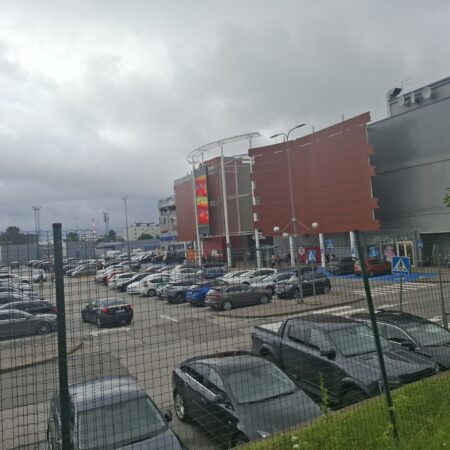
Tram lines T4 and T2 run straight from the city center to Ülemiste, stops named as “Ülemiste linnak” or “Ülemiste Jaam”. Both stops are near to Ülemiste center. Usually in 15 to 20 minutes, and both continue to the airport. Visitors can also reach Ülemiste by train from Balti Jaam, with regular services stopping at Ülemiste station near to the mall.This makes the mall a natural hinge between flights, hotels, and residential districts such as Lasnamäe and Mustamäe. Commuters park bikes or cars in the large lots, where parking fees sit around 1 euros per 30 minutes, put the first 5 hours are free, then slip inside for errands before heading home on evening trams. The rhythm on weekdays reflects those timetables: a quick pulse of people around eight in the morning and again after four as airport staff and office workers pass through.
Once you step away from the busiest entrances, the mood softens. Cafés on upper levels lean into Cafe culture with strong coffee and traditional pastries laid out in glass cases. Prices hover between 2.5 and 6 euros for pastries and around 2 to 4.5 euros for coffee. In winter, warm wood tones, soft lighting, and flower arrangements transform these spaces into shelters from the grey, and shoppers linger longer over cinnamon buns and news feeds.
For anyone curious about Estonian craft beer, Ülemiste offers a subtle introduction. Specialty kiosks and some bars near the food court stock local bottles and cans alongside international names, often including labels from breweries that you will later meet in dedicated taprooms. It is not a taproom-first environment, more a practical way to add a few interesting bottles to your grocery basket or pair a local IPA with something grilled.
Seasonal events change the tone further. During December, a compact Christmas market appears in central corridors, with stands selling wool socks, wooden toys, and jars of honey, while strings of lights and spruce branches soften the clean modern lines. Families from neighborin come not just to shop but to watch their children meet Santa and wander through the displays. In the darker months, the mall becomes a warm, bright wedge in a quieter streetscape, and the faint sound of airport announcements outside just adds to the feeling of being at a crossroads.
Tram rides to and from Ülemiste stay convenient through winter, even when road surfaces turn slick. If you want a detailed overview of ticket types and how to validate them on the way to the mall, Navigating Tallinn public transport for visitors explains the system clearly.
Solaris Center: City Center Vibrant Entertainment and Shopping Hub
Solaris Keskus sits in Kesklinn where city life, culture, and daily errands intersect. The mall opens directly into streets that carry you either toward Old Town and next to it you find concert hall and a cinema that draw people long after most shops shut. That mix of uses turns Solaris into one of the most popular hangout spots in malls Tallinn has, less because of any single anchor store and more because of its role as a meeting point.
Beyond clothing and electronics, Solaris hosts a cluster of Estonian design shops where you can browse local fashion, minimalist homeware, and small handicrafts that feel distinctly Baltic. Some of these have links to Tallinn Design House and other creative hubs, so the same designers you might see in Telliskivi Creative City appear here in a more central setting. Seasonal artisan fairs sometimes spread through the main corridors, especially on weekends, adding pop-up stalls to the usual retail lineup.
Culturally, Solaris works as a vertical neighborhood. Downstairs food courts serve everything from simple soups and salads to plates of smoked fish or rye bread based dishes, with typical meals running from roughly 7 to 15 euros. Above, concert goers and cinema audiences drift through foyers that share air and sound with cafés.
Solaris serves as a natural link between Tallinn’s Old Town and the modern City Center, making it a convenient stop along many walking routes. It sits beside the Estonian National Opera and Tammsaare Park, while Viru Centre is just a short walk away, placing visitors within easy reach of some of the city’s most popular cultural, shopping, and public spaces. By day, the interior’s blend of industrial modern design and Scandinavian minimalism, paired with large street-facing windows, creates a bright and welcoming atmosphere. In the evening, the mood becomes more intimate as warm lighting draws attention to cafés, restaurants, and shopfronts, with visitors gathering before or after performances and events nearby.
The crowd changes through the week. Midweek mornings remain calm, with older locals lingering over coffee and parents steering small children between play corners. Lunchtime fills food spots with office workers from nearby buildings. By Friday evening, locals and visitors converge before concerts, and drunk giggles from upstairs mix with clinking glasses.
Kristiine Center: Family-Friendly Local Staple with Seasonal Flavors
Kristiine Center sits a little west of the more tourist-traveled axis, in a neighborhood where the mall feels woven into ordinary routines. Residents come from the surrounding Kristiine apartment blocks and from Mustamäe, either on foot or by bus, to handle practical tasks, meet friends, and let children blow off steam between errands. The atmosphere is steadier and more local than in the airport or concert focused centers.
Daily needs are well covered: a grocery store, pharmacies, shoe repairs, restaurants and children’s clothing shops mix with chain fashion outlets. That practical lineup might sound unremarkable, but the experience shifts with the seasons. In winter, Kristiine dresses itself in garlands, soft lighting, and Christmas tree that make the central atrium feel almost like an indoor square. During school holidays the noise level rises as families stack coats on chairs and navigate toy shops with grandparents in tow.
Smaller artisan-style markets appear along the corridors at certain times, usually around holidays. Tables display Estonian handicrafts, knitted gloves, small ceramics, and occasionally honey or preserves. Prices tend to sit in the 3 to 6 euro range for a pastry up to perhaps 8 to 12 euros for a café meal, while handmade items can cost more depending on workmanship. Older locals often treat these fairs as opportunities to chat with vendors rather than quick purchases, and the mall’s relatively modest size makes these encounters feel personal.
Cafe culture feels especially strong here. Cafés at Kristiine favor house baked pastries, slow coffee, and unhurried service. Scent of cardamom and cinnamon drifts out of display cases, especially in winter when spiced buns dominate menus. Seating includes both open tables and softer corners where regulars read newspapers or work quietly on laptops. Beer options remain more limited than in Solaris, but a couple of places pour local brands like Tanker Brewery, usually focusing on a handful of reliable taps instead of an endless list.
Reaching Kristiine Center by public transport is simple. Lot of buses stop near, within roughly 200 meters of the entrances, and the walk from some parts of Kristiine or City center takes around 20 to 30 minutes along tree lined streets. Opening hours usually run from 10:00 to 21:00, with slightly shorter times on Sunday.
Local Brands, Artisan Markets and Craft Beer Experiences Inside Tallinn’s Malls
Once you step past the international labels, many Tallinn shopping malls reveal a second layer of local design, food, and drink. Estonian fashion houses, ceramic studios, and craft beer bars use these centers as accessible platforms where visitors can encounter their work without hunting through backstreets. On weekends, artisan fairs turn standard corridors into temporary markets, and food courts begin to feel like condensed introductions to Estonian tastes.
Finding Estonian Design and Handicrafts at Solaris, Viru and Nautica
Located within easy walking distance of Tallinn’s Old Town, Solaris, Viru Centre and Nautica Centre offer convenient places to discover Estonian design, handmade crafts, and locally produced gifts. While these shopping centers are home to well-known retailers, they also feature independent design stores and, on selected weekends, host pop-up markets showcasing the work of local artisans and creative studios.
At Solaris, occasional indoor design markets bring together makers from Tallinn’s creative community, including designers associated with Tallinn Design House and the studios of Telliskivi. Visitors can browse minimalist fashion, handcrafted ceramics, wooden home décor, natural skincare, jewelry, and textiles, all presented in a relaxed gallery-like setting.
Viru Centre regularly features Estonian lifestyle brands and boutique shops selling locally designed clothing, accessories, gourmet food products, and handcrafted souvenirs. Seasonal pop-up stalls often appear in the central walkways, making it a convenient stop for travelers looking for authentic gifts without venturing far from the city center.
A little farther east, Nautica Centre offers a quieter shopping experience near the passenger port, D-Terminal. Alongside its everyday retail stores, visitors can occasionally find craft fairs, local food vendors, and specialty shops carrying Estonian-made products, particularly during holiday seasons and special events.
Prices vary depending on the craftsmanship and materials involved. Small items such as illustrated notebooks, handmade soaps, or simple earrings often start around €10, while premium ceramics, wool garments, leather bags, or designer homeware can range from €100 to over €200. These are not inexpensive souvenir stalls but opportunities to support Estonia’s independent designers and craftspeople. Many makers enjoy discussing their techniques, materials, and workshops, adding a personal touch to every purchase.
When artisan markets are underway, the atmosphere changes noticeably. Soft lighting highlights the textures of wool, linen, wood, and ceramics, while gentle acoustic or indie music creates a relaxed backdrop. Visitors browse at an unhurried pace, feeling fabrics, examining handmade pottery, and chatting with artists as the aroma of fresh coffee drifts through the shopping halls.
Weekday events tend to attract more local residents than tourists, creating a quieter environment where visitors have more time to speak with designers and learn about their work. While handcrafted products may cost more than mass-produced alternatives, the pricing reflects the skill, quality materials, and small-scale production behind each piece.
All three shopping centres are easily reached on foot from Old Town or by tram. Viru Centre sits beside the Hobujaam tram stop, Solaris is only a few minutes walk away near Estonia Boulevard, and Nautica Centre can be reached by continuing toward the passenger harbour, D – Terminal. Together they make an excellent route for anyone interested in discovering contemporary Estonian design before enjoying Tallinn’s cafés or traditional local cuisine.
Craft Beer Stops: Savoring Estonian Beer Around Mall Food Courts and Bars
The rise of Estonian craft beer has quietly reshaped drinks lists in several shopping centers in Tallinn. Instead of stocking only international lagers, many mall bars and kiosks now feature local breweries such as Põhjala, Saku or A. Le Coq on tap or in bottles.
Inside Solaris, dedicated beer places anchor parts of the upper floors. Interiors favor wood panels, low lighting, and chalkboards listing beers with short tasting notes. Around early evening on weekdays, especially after 18:00, stools fill with small groups comparing flights of three or four small pours, which usually cost around 10 to 15 euros. A full pint of local craft beer typically ranges from 4 to 6 euros depending on style and strength.
Ülemiste’s craft beer presence feels different but still meaningful. Some food court kiosks and specialty shops stock Estonian bottles and cans, sometimes including A. Le Coq or Tanker alongside Põhjala. Travelers heading to or from the airport pick up a couple of interesting cans as portable souvenirs, while local workers might take a seat at a bar for a quicker drink. Crowds stay light in midafternoon, then become more international as flight schedules intersect with the end of local workdays.
Compared with dedicated taprooms in Kalamaja or Telliskivi, mall bars seldom offer the same breadth or experimental edge. You will not find every barrel aged release here, and the focus leans closer to accessible core range beers. The advantage lies in convenience and integration. Ordering an IPA alongside a plate of grilled meat or a bowl of fish soup in the mall food court invites you to think about Estonian food and drink together, not as separate attractions scattered across town.
Savoring Local Flavors: Mall Cafés Where Pastries Meet Cafe Culture
Estonian Cafe culture often shows itself most clearly in the quieter corners of malls. These cafés do not just push takeaway cups at hurried shoppers. They act as informal living rooms where people settle for half an hour between errands to share a slice of cake, scroll through news, or simply watch others pass by.
Menus highlight local pastries alongside international standards. “Kringel”,a twisted yeast bread often flavored with cardamom or cinnamon, appears on many counters, sometimes in individual slices, sometimes as sharing rings. You might see cakes made with a flour mixture of roasted grains and peas, which gives them a dense, distinctive texture, or marzipan sweets that echo a long Northern European tradition. Prices usually land between 2 and 6 euros per pastry and 2.5 to 6 euros for a coffee, depending on size and style.
Atmosphere varies from mall to mall. At Solaris, cafés near the main atrium buzz during lunch and early evening, with families, students, and concert goers talking over background music. In Kristiine Center, smaller cafés tucked into corners feel calmer. Winter prompts candlelight on tables, thicker curtains, and customers who hold hot mugs close for warmth. Ülemiste sits somewhere in between, its coffee kiosks catering to both workers in a hurry and travelers who have an hour to spare before a flight.
Many spots pay careful attention to coffee quality. Beans from Scandinavian or Central European roasters appear alongside local names, and baristas generally know the difference between a flat white and a stronger double espresso that suits colder afternoons. Seating mixes communal tables with smaller nooks equipped with sockets that quietly welcome digital nomads or remote workers. Free wifi is standard, so spending a couple of hours here with a laptop feels normal rather than intrusive.
On some weekends, cafés host small events such as book readings or acoustic sets that complement the larger mall programs. These add an extra layer of social life without dominating the space. To place these tastes in context with other local dishes you may meet outside the malls, the overview in Tallinn food culture and must-try traditional dishes offers useful background.
Getting There and Around: Practical Travel Tips for Exploring Tallinn’s Malls and Neighborhoods
Experiencing Tallinn shopping malls in context means paying attention to the routes between them. Trams pull you from airport to Ülemiste and on to the center. Short walks tie Solaris and Viru mall to Old Town, while buses fan out to Kristiine and Mustamäe. Once you understand these patterns, building a day that includes both shopping centers and nearby districts becomes simple rather than stressful.
Tram and Bus Routes: Navigating Tallinn’s Public Transport Network to Malls
Tallinn’s tram lines form a straightforward skeleton for exploring malls. Line T4 runs from the city center to the airport, passing Ülemiste Center just before the terminal. Line T2 covers a similar stretch at certain times, giving extra frequency along this corridor. From Viru, the main central stop, the ride to Ülemiste usually takes between 15 and 20 minutes.
Tram T2 provides a convenient connection between Nautica Centre, Viru Centre and Solaris, making it easy to explore Tallinn’s main shopping districts. Visitors can get off at the Viru stop to reach Viru Centre within a short walk, then continue on foot to Solaris, all located within a compact, pedestrian-friendly area. The close proximity of these shopping destinations makes it simple to visit all three in one trip, while the same tram line also offers quick access between Tallinn Old Town and the city’s central shopping and entertainment hub.
Kristiine Center relies more on buses than trams.Different buses link it with Mustamäe, Lasnamäe, Pirita, Põhja-Tallinn and central districts, although frequency falls slightly on Sundays. Journey times depend on traffic but usually sit under 20 minutes from Kesklinn. In winter, buses may be slower than trams when snow and ice affect road surfaces, so allowing extra time helps avoid frustration.
Ticketing remains straightforward. A single ride costs about 2 euros, while a day ticket is around 5 euros and covers both trams and buses. Tickets can be purchased via mobile app or at certain kiosks, then validated on board. Inspectors do appear, especially on busy central routes, so holding a valid ticket makes life easier. For a full breakdown of cards, mobile options, and rules, the guide navigating Tallinn public transport for visitors is a useful reference.
Accessibility on modern trams is generally good, with low floors that suit both luggage and mobility aids. Stops have audio announcements in Estonian and main stops in English like Balti Jaam train station, harbour or airport, and digital displays show upcoming stations. During peak morning hours, especially toward Ülemiste, carriages can feel crowded with commuters until about 9:00. Evening trams on weekends may slow slightly around city center, if nearby festivals or events load platforms with extra passengers, but even then, the system holds up better than many visitors expect.
Urban Trails: Connecting Malls with Historic and Creative Neighborhoods
Some of the best moments between Tallinn neighborhoods happen on foot, not inside any building. Walking routes between malls and districts like Old Town, Kalamaja, and Telliskivi reveal how the city’s layers connect. They also offer a chance to stretch legs between coffees or beers rather than bouncing straight from one indoors space to another.
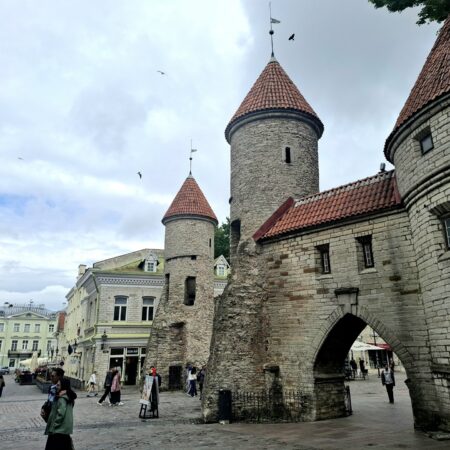
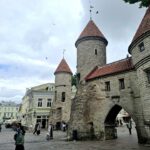
Viru Shopping Centre is located right on the edge of Tallinn’s Old Town, making it one of the most convenient starting points for exploring the city’s historic center. A walk of just a few minutes brings you from the modern shopping complex to the cobbled streets, medieval gates, and centuries-old architecture of Old Town.
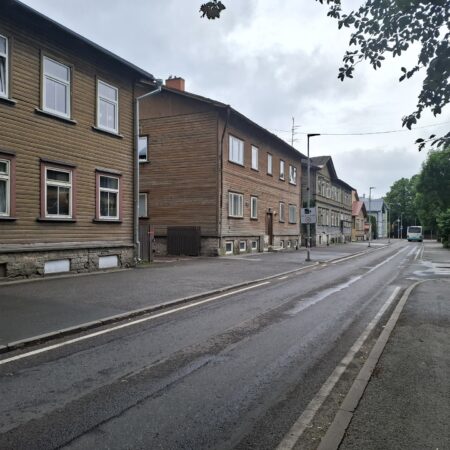
Connecting Solaris Center to Telliskivi Creative City takes a little longer but rewards the effort. Plan for about 20 to 35 minutes on foot through the Old Town, following streets that cross the railway toward Kalamaja. Side roads reveal wooden houses with peeling paint and carefully restored details, plus small independent cafés that provide quieter stops than the main mall corridors. This walk lets you feel how the creative quarter grew out of once industrial surroundings. If you want, you can even take a train from Balti Jaam to Ülemiste Center.
Pärnu street offers another useful route, stretching outward from central areas past smaller shops and local food spots. Sidewalks along this road carry you between transport hubs and residential blocks, and occasional detours into side streets expose bakeries, second hand stores, and small parks. Benches give places to pause, especially in warmer months when trees add shade and birds drown out some of the traffic noise.
Season affects the comfort of all these walks. Summer means long light and soft air, so even late evening strolls feel inviting. Spring and autumn can be windy but manageable with a good jacket. Winter demands sturdy shoes, as even well salted pavements sometimes hide icy patches, especially near shaded corners. In every season, small sensory details reward attention: smell of fresh bread from corner bakeries, sea air drifting in as you near Kalamaja, or the rough feel of cobblestones underfoot compared to newer pavements.
If you prefer a structured plan linking malls with distinctive districts, best neighborhoods in Tallinn for local experiences offers neighborhood specific guidance that pairs well with the routes described here.
Curating Your Visit: Timings, Crowd Flows, and Insider Tips for a Seamless Mall Day
Knowing when to visit Tallinn shopping malls matters nearly as much as knowing where they are. Crowd patterns follow work shifts, school schedules, and seasons. Malls that feel rushed at five in the afternoon can seem almost meditative at eleven in the morning. With a bit of planning, you can browse, eat, and taste beer at a comfortable pace while still catching markets or events that interest you.
Avoiding the Peak: Best Times for Shopping and Socializing
For those who like space to think and staff with time to talk, weekday mornings between 10:00 and noon work well. Shops open, background music runs low, and most customers are older locals, parents with small children, or remote workers looking for a quiet table. This pattern holds across Ülemiste Center, Viru Center, Solaris Center, and Kristiine Center, although Kristiine tends to keep the gentlest flow throughout the day.
Late afternoons bring a different energy. Between 16:00 and 18:00 on weekdays, Ülemiste absorbs commuter traffic as workers head to and from the airport and nearby offices. Corridors near tram stops and food courts fill, and queues at supermarkets and takeaway counters grow longer. Solaris also sees a bump as office workers look for snacks or quick dinners before heading home or to evening performances.
Weekends carry more life but also more waiting. Saturday afternoons in particular attract families, teenagers, and visitors to all three malls, especially when artisan markets or special events run. This is often the best time for people watching and enjoying community energy, but not ideal for those who dislike crowds. Early arrival helps; reaching a market soon after opening allows you to browse before the heaviest flow starts.
Viru Centre stays open late, with most stores trading until 21:00, making it a convenient stop for evening shoppers and those heading out in the city centre. Several cafés, restaurants, and bars in and around the centre become livelier from around 17:00, with some offering happy hour specials into the early evening. Its central location also makes it easy to combine shopping, dining, and nightlife without straying far from Tallinn’s main attractions.
Season adjusts everything slightly. Winter compresses socializing into shorter light hours, so afternoon crowds at malls can feel denser as people choose indoor meeting points over outdoor squares. Summer spreads people out between terraces, plazas, and parks, which can make even busy malls feel more breathable. Event focused days such as Christmas markets or major summer festivals deserve a quick schedule check in advance through listings like seasonal events and festivals in Tallinn, especially if you prefer either to seek them out or avoid them.
Combining Mall Visits with Neighborhood Strolls and Local Nightlife
Locals rarely treat mall visits as isolated missions. A typical evening might link a quick shop with a walk through Old Town and a drink at a favorite bar. Visitors can follow similar patterns by weaving shopping, neighborhoods, and nightlife into flexible loops that respond to weather and energy levels.
One simple route starts at Viru Centre in the afternoon. After an hour of browsing or coffee, you walk up Narva street toward Viru street and slip through the Old Town gates. Early evening suits a meal along Viru street, where small restaurants pack tightly into medieval buildings. The transition from glass atriums to stone walls and candle lit rooms feels particularly sharp in winter, when you cover the short distance wrapped in a scarf and then thaw over soup and bread.
Another itinerary centers on Solaris Center. Begin with a slow wander through its design shops and perhaps a light lunch, then take a tram to Telliskivi Creative City. Spend late afternoon browsing studios or grabbing a coffee in Kalamaja before looping back via a stop at some bar or another taproom listed in the Guide to Tallinn’s craft beer bars and breweries. Finishing the night with a film or concert back at Solaris ties the day together.
For a quieter day, Kristiine Centre makes a great starting point. Mornings here are calm, making it easy to browse for groceries, fashion, or everyday essentials before settling into a café with a coffee and pastry. From there, a short bus or trolleybus ride takes you to the nearby Tallinn Zoo, where spacious woodland enclosures and walking trails offer a relaxing change of pace. If you still have energy afterward, continue toward Kopli to discover its mix of historic wooden neighborhoods, renovated waterfront areas, and peaceful seaside views. End the day with dinner or a drink in the area, turning Kristiine into the practical first stop of a slower, more local side of Tallinn.
Tram lines T1, T2, T3, T4, T5, T6 and standard 45 minute ticket validity make multi stop excursions easy. You can, for instance, ride from Ülemiste to Viru, walk to Solaris, then later jump on a tram again toward another district, all under a single time based fare. In summer, late light invites slow detours along the streets or toward the sea, while in winter many people bring plans forward to finish earlier in the evening.
As you build these combinations, remember that some mall cafés quietly serve as informal workspaces during the day, with power outlets and dependable wifi. Those same spaces transform by night into social rooms where conversations drift from logistics to music and politics. Nearby co working spots and creative hubs then feel less like separate worlds and more like extensions of the same network of people meeting, eating, and sharing ideas.
Reflecting Tallinn Through Its Malls
Leaving a mall in Tallinn often means stepping from a curated indoor scene into a street that tells a looser, older story. After a couple of hours at Kristiine Center, you might come out to quiet pavements and small gifts, pastry bag in hand, with the muffled sound of a bus pulling away and a few voices carrying from a nearby bar where someone lifts a glass of local beer.
These shopping centers show a version of the city that is both everyday and revealing. You see how people spend their lunch breaks, where grandparents take grandchildren in winter, which local brands have managed to move from small studios to larger audiences, and how craft beer and Cafe culture have threaded themselves into daily routines. Viewed this way, Tallinn shopping malls become more than stops between more famous sights. They turn into stages where different parts of Estonian life meet under practical, shared roofs.
Approaching them with curiosity rather than only with a shopping list lets you read the city through small scenes: a group of friends discussing a new brew at Solaris, a Lasnamäe family loading groceries into a car at Ülemiste, an elderly couple at Kristiine debating which cardamom bun looks best. Those details stay with you long after the receipts have faded.