The Traveler’s Guide to Estonian Design and Handicraft in Tallinn
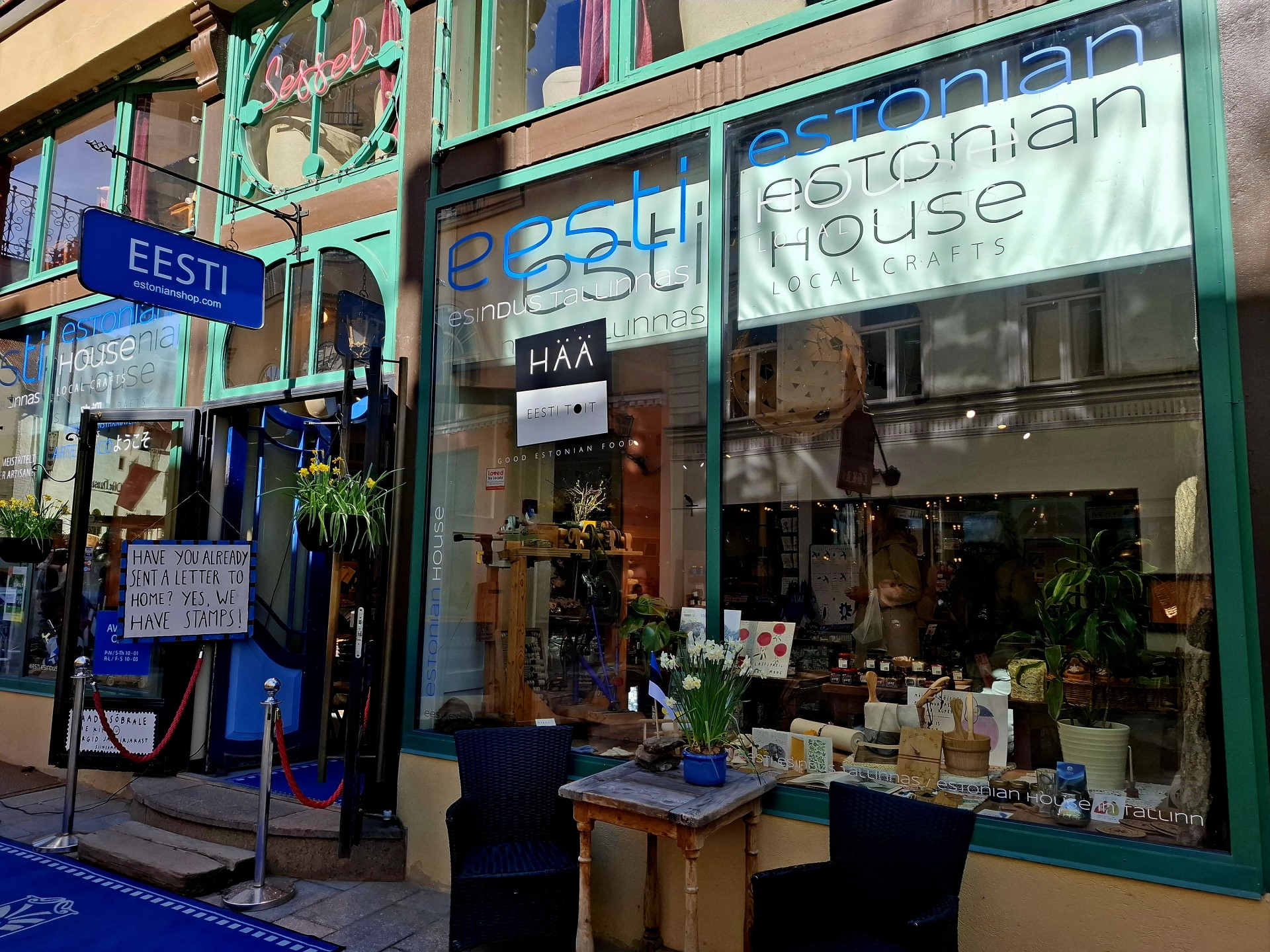
What Estonian Design and Handicraft in Tallinn Tells You About the City
If you want to understand Tallinn quickly, start with Estonian design and handicraft in Tallinn. The city makes more sense when you walk it neighborhood by neighborhood. It is more than Old Town, even if that is where many visitors begin. Design, craft heritage, and contemporary studios all sit close together here. That mix says a lot about how Tallinn sees itself.
Locals often treat design as part of daily life, not a special occasion. You see it in shop windows, café interiors, and practical objects that feel carefully made. If you want a broader route, this pairs well with a Tallinn Old Town walking route or a late stop on the Tallinn pub. The best places are usually easy to reach on foot. That keeps the experience grounded and local.
How Estonian Design Reflects Baltic Identity
Modern Estonian design often feels clean, quiet, and useful. You notice wood, linen, wool, and simple functional objects in many places. The style is not showy, because the climate has shaped habits for generations. Warm materials and practical forms matter in a long winter. That restraint gives the city a clear Baltic design identity.
In Tallinn, this shows up in gallery corners, small boutiques, and even cafés. A chair, mug, or scarf may look simple at first glance. Then the details become clear, like texture, joinery, or a careful finish. The result feels tied to local life, not staged for tourists. It is modern Estonian design with a distinctly everyday purpose.
Handicraft as Living Culture, Not Just Souvenirs
Estonian handicraft is easy to spot when it is still used, not just displayed. Look for handmade textiles, knitwear, wooden craft traditions, and folk inspired patterns. In Tallinn, these items often appear in seasonal markets and small studios. They are useful, warm, and built to last. That functional quality is part of their charm.
To separate real craft from generic souvenirs, check labels and ask questions. Handmade pieces usually name the maker, the material, or the workshop. Mass produced goods often rely on broad Baltic motifs without much detail. The strongest pieces feel practical first, decorative second. That is a good clue that you have found genuine craft heritage.
Where Design and Craft Overlap in Modern Tallinn
Many Tallinn concept stores blur the line between art, retail, and daily use. Studio shops, small makers, and design objects sit beside clothing, ceramics, and prints. Prices vary a lot, from affordable paper goods to higher end textiles. That range makes browsing feel relaxed rather than pressured. It also helps visitors sample local design in Tallinn without committing to big purchases.
This overlap is one reason Tallinn feels creative in an integrated way. Makers are not hidden in distant districts. They sit inside the city’s working rhythm, often near cafés and evening spots. If you want a fuller context for that side of town, the Tallinn craft beer guide fits naturally after a day of browsing. Tallinn feels especially good when design and social life meet on the same street.
Old Town Tallinn: Historic Streets with Modern Design Details
Old Town Tallinn is still the easiest place to begin, but it is not only about medieval scenery. The district also gives you a clear view of modern Estonian design in a compact area. Around Pikk Street, Viru, and Raekoja plats, heritage buildings share space with galleries and carefully chosen retail. You will also see souvenir culture in Tallinn at its most intense here. Some of it is excellent, and some of it is forgettable.
That is why this area works best when you slow down. Walk with a purpose, but leave time to compare shops and look at details. A short circuit through the center pairs easily with a café break or a longer city plan from the best neighborhoods for a weekend in Tallinn guide. For a fuller route, the Tallinn Old Town walking route helps you connect the streets logically. Old Town rewards attention more than speed.
Viru Street and the Craft Minded Old Town Walk
Viru Street is one of the best starting points for a craft minded walk. It links naturally to Raekoja plats and the approach to Viru Gate. The street mixes old façades with contemporary shopfronts, so the contrast is easy to read. You can cover it entirely on foot in a short, relaxed loop. Add a café stop, and it becomes a very manageable half morning.
Locals often pass through here with errands or meeting plans, not just for sightseeing. That gives the area a more practical rhythm than tourists expect. Look up at the architecture, then glance into the windows for modern design details. The shift from medieval stone to curated interiors is part of the appeal. It shows where modern Estonian design meets the city’s oldest streets.
How to Spot Genuine Local Design in Tourist Heavy Areas
The easiest clues are usually the smallest ones. Look for maker names, material labels, and small batch production notes. Atelier style displays also suggest a more serious local shop. Genuine Tallinn cultural shopping often feels calmer and more specific. It usually avoids piling objects into one generic display.
Prices can be higher here, especially for ceramics, textiles, and original artwork. Still, smaller items can remain accessible, like postcards or linen accessories. If a shop explains origin clearly, that is usually a good sign. Ask where something was made and who designed it. Good shops welcome those questions without turning the answer into a sales pitch.
Seasonal Shopping Rhythms in the Old Town
Old Town changes shape through the year, and shopping does too. Winter brings knitwear, scarves, and Christmas market stalls that add real seasonal energy. Summer brings heavier foot traffic and more quick browsing than conversation. Both seasons are useful, but they feel very different. Early day visits are usually quieter and easier.
If you want more time with staff, go before the afternoon rush. Many shops are more relaxed then, and you can compare items without crowding. The Christmas market season can be charming, but it also attracts plenty of day trippers. In summer, patience helps because the streets fill quickly. The craft scene follows the tourist flow, yet it still keeps a local core.
Telliskivi and Kalamaja: Tallinn’s Creative Districts in Daily Life
If Old Town shows heritage, Telliskivi and Kalamaja show current Tallinn. This is where the Tallinn artisan scene feels most lived in. The creative energy is not polished in the same way as the center. It is looser, more mixed, and closer to everyday routines. That is why many people use these districts to understand local design in Tallinn.
For a broader cultural walk, this area deserves time on its own. The streets connect well, and the mood shifts naturally between shops, cafés, and residential corners. If you are planning movement between districts, Tallinn public transport tips can help. If you want a dedicated creative overview, use the Telliskivi creative district guide. This part of Tallinn is easy to explore, but it is better when you do not rush it.
Telliskivi Creative City as a Design and Culture Hub
Telliskivi Creative City is one of the clearest starting points for design and handicraft around Telliskivi. The area holds design studios, gallery spaces, and market stalls in a post industrial setting. Many places open through the daytime and stay useful into the early evening. That makes it easy to combine browsing with coffee or a long lunch. The atmosphere is informal and slightly rugged, which suits the district well.
You will find the Tallinn creative quarter feeling here in its most visible form. Shops often mix graphic work, clothing, ceramics, and small design objects. It feels like a place where people actually work, not just sell. That matters because it keeps the district from feeling staged. Telliskivi is one of the best areas for design in Tallinn when you want variety in one walkable cluster.
Kalamaja Wooden Houses and Everyday Creativity
Kalamaja feels different from Telliskivi, even though they sit close together. The Kalamaja wooden houses give the district a softer, residential character. Small independent shops appear along quieter streets, and the pace drops immediately. This is where design starts to look lived in. It feels like something that belongs to the neighborhood, not a separate attraction.
Walk slowly and respect the residential tone of the area. The best details are often in doorways, fences, and small storefronts rather than big displays. Locals use these streets for daily movement, so it pays to stay attentive and quiet. That helps you see how creativity fits into ordinary routines. Kalamaja is a strong example of a neighborhood where design and handicraft feel part of life.
Balti Jaam area as a Practical Stop Between Districts
Balti Jaam makes moving between districts simple. The station area sits between Old Town, Telliskivi, and Kalamaja, so it works as a practical hinge. The market hall is useful for snacks, quick shopping, and a reset between walks. Public transport links are easy here too. That makes it one of the most useful spots in central Tallinn.
It is busy, but that is part of the point. People pass through for groceries, transit, and lunch, not only sightseeing. The area gives the route a local rhythm and keeps the day flexible. If you need to move across town, this is a good place to pause and plan. For that reason, many locals treat it as a crossing point, not a destination.
Rotermann and Noblessner: Contemporary Style by the Waterfront
Rotermann and Noblessner show the newer side of Tallinn’s design identity. Both districts feel polished, but in different ways. Rotermann is compact and urban, while Noblessner opens toward the water. Together they show how modern Estonian design can fit into new architecture and old industrial settings. The contrast is one of Tallinn’s strongest visual stories.
These districts also work well for visitors who like to combine walking with dinner or a drink. The routes are straightforward, and the atmosphere shifts nicely at sunset. If you want a companion read for the evening side of town, Noblessner waterfront guide is a useful next step. You can also fold the stop into the Tallinn craft beer guide. That pairing works especially well after a day of browsing.
Rotermann Quarter as an Urban Design Showcase
Rotermann Quarter is a clear example of how Tallinn handles new urban design. Restored industrial buildings sit beside contemporary façades, and the result feels balanced rather than forced. Design focused cafés and lifestyle stores fill the ground floors. The area is also easy to reach from Old Town and the harbor side. That makes it practical for short stops between bigger plans.
Locals often pass through on the way to work, lunch, or meetings. That everyday use helps the district feel less like a display case. It is polished, but still distinctly Tallinn. The mix of surfaces, materials, and open space gives it a modern confidence. If you enjoy local design in Tallinn, Rotermann is an efficient place to see it quickly.
Noblessner Waterfront and a Slower Creative Pace
Noblessner feels slower and more open than central districts. The waterfront setting invites longer pauses, especially near galleries and restaurants. Marina views add space to the experience, and the light changes beautifully near sunset. In warmer months, people linger outside much longer. That relaxed rhythm suits the district well.
It is one of the best places to enjoy design and culture after dark. The setting encourages a calmer kind of sightseeing, with time to notice materials and lines. You can finish a walk with dinner or a beer without needing to backtrack. That makes the area easy to use in a real itinerary. Noblessner design and culture work best when paired with the sea.
How Modern Design Changes the Visitor Experience
Modern districts change the feel of a Tallinn walk in useful ways. Compared with Old Town, the spaces are more open and less crowded. Compared with Telliskivi, they feel cleaner and more streamlined. Contemporary façades and public spaces create a slower, more settled rhythm. That makes the walk feel broader and less compressed.
It is worth combining these areas with a relaxed evening plan. Dinner works well, as does a final drink before heading back toward the center. Tallinn shows its future most clearly in these newer districts. They balance the city’s historic weight with a lighter urban feel. That balance is a big part of Tallinn lifestyle and design today.
Kadriorg and Museum Spaces: Craft, Heritage and Quieter Elegance
Kadriorg is the quiet counterweight to Tallinn’s busier creative districts. It gives the city a more reflective side, with parks, museums, and tree lined streets. If Telliskivi feels energetic, Kadriorg feels deliberate. It is a strong place to understand where to experience Estonian craft heritage in a slower setting. The mood is elegant without being formal.
This district works well as a half day break from the main walking route. It adds depth to an itinerary built around shops and studios. For transport planning, Tallinn public transport tips are useful here too. Kadriorg is easier to enjoy when you allow time for calm.
Kadriorg as a Quieter Cultural Counterpoint
Kadriorg Park gives the district its main rhythm. Museum visits fit naturally here, along with long walks under the trees. The streets are calmer than in the center, and the pace is noticeably slower. That makes the area ideal for a reset between more active stops. It is one of the city’s easiest places to breathe a little.
This slower setting matters for design travel. Tallinn craft culture is not only about buying things. It is also about seeing how the city values space, order, and restraint. Kadriorg shows that side clearly. The district reminds visitors that Tallinn’s design language includes contemplation.
Folk Art, Textiles, and Heritage Displays
Museum spaces in Kadriorg can make Estonian textiles much easier to understand. Folk inspired patterns, traditional craft objects, and exhibition displays add context that shops cannot always provide. You can see how ornament, function, and material choice connect across generations. That helps explain why Estonian folk art still feels relevant. It is part of a living visual language.
Check exhibition schedules before you go, since displays change often. A current show can reveal much more than a permanent room. The point is not only to admire old objects. It is to understand how they shaped modern taste. That connection gives handicraft culture in Tallinn a broader meaning.
Why Kadriorg Belongs in a Design Itinerary
Kadriorg helps balance a route that otherwise leans toward shops and creative quarters. A museum stop, a park walk, and calm streets give the day more shape. The area is easy to reach from central Tallinn by tram or bus. That makes it a simple add on, even for a short visit. It fits naturally into a thoughtful city plan.
Visitors often appreciate it most after a busier morning in Old Town or Telliskivi. The district gives the whole route a softer ending. It is not flashy, and that is exactly the point. Kadriorg shows the reflective side of Tallinn’s creative story. That side is easy to miss if you only follow the busiest streets.
How to Build a Design Focused Walking Route in Tallinn
A good design walking route in Tallinn does not need to cover everything. It just needs a clear rhythm and enough time for pauses. Start with Old Town, then move toward Telliskivi and Kalamaja. Add Rotermann if you want a cleaner urban contrast. Finish in Noblessner or Kadriorg, depending on your pace and energy.
This approach makes Tallinn art and design neighborhoods feel connected rather than separate. It also keeps the day realistic for first time visitors. You can move efficiently, but still stop for coffee, lunch, or a drink. If you want more route support, Tallinn public transport tips can fill the gaps between districts. The city works well when you walk part of it and ride part of it.
A One Day Route for First Time Visitors
Begin in Old Town, then walk toward Telliskivi and continue to Kalamaja. From there, head through Balti Jaam and on to Rotermann if you still have energy. The loop is manageable on foot, though trams or buses can shorten the longer stretches. Coffee or lunch fits easily in Telliskivi or near Balti Jaam. The route feels complete without becoming rushed.
This is a strong first taste of the city’s creative side. You move from medieval streets to working design quarters in one day. That shift helps explain why Estonian design and handicraft in Tallinn feel so tied to place. It is not a museum day, and it is not a shopping day only. It is a practical city walk with real context.
A Slower Route for People Who Like to Browse
If you browse slowly, give yourself more time in studio shops and small galleries. Concept stores are easier to enjoy when you are not watching the clock. Late morning to mid afternoon is usually the best window. Staff are often more available then, and shops feel less hurried. That makes conversation more natural.
This route works especially well if you like asking questions and comparing materials. You can linger over ceramics, textiles, and prints without breaking the day. The slower pace also gives you time to notice how displays change between districts. A design focused walking route in Tallinn should feel exploratory, not efficient. That is how you get the most from the city.
When to Go, Weekdays, Weekends and Seasons
Weekdays are usually calmer, especially in the morning and early afternoon. Weekends bring more event energy, more foot traffic, and more browsing pressure. Summer evenings feel lively in waterfront districts, while winter shopping feels more compact and focused. Each season changes the mood without changing the core character. That keeps the city interesting across the year.
Opening hours vary, and smaller places may close earlier on Sundays. That matters if you are planning a long loop through several districts. For a design trip, timing shapes the experience more than many visitors expect. Tallinn rewards slower timing and a bit of flexibility. That is true whether you visit in winter, summer, or during an event weekend.
What to Buy, What to Notice and How Local Makers Price Their Work
Tallinn design stores offer a wide range of items, but the strongest ones feel purposeful. You will see Estonian textiles, ceramics, prints, and wooden kitchenware in many places. The best pieces usually look practical before they look decorative. That is a good sign in a city where utility matters. It also makes the shopping experience more grounded.
Prices vary, but not wildly. Small items are often affordable, and larger handmade pieces are naturally more expensive. If you want a purchase with cultural value, think about what you will actually use. The most useful stops often sit in Tallinn cultural shopping areas rather than souvenir stalls alone. You can also pair the outing with the Tallinn craft beer for a relaxed afternoon.
Typical Items to Look for
Start with linen goods, wool socks, ceramics, prints, and wooden kitchenware. These are common, practical, and often well made. They also reflect the city’s preference for useful design. Small objects can tell you a lot about local makers in Tallinn. They are often more honest than flashy souvenirs.
Expect small items to begin around 10 to 30 euros. Handmade ceramics, larger textile pieces, and original prints cost more. That range makes it easy to buy one thoughtful item or a few smaller pieces. The goal is quality, not novelty. Useful items usually age better, both in the home and in memory.
How Much to Budget
Postcards and small paper goods may cost only a few euros. Textiles often sit in the 20 to 70 euro range, depending on material and size. Ceramic mugs can start near 18 euros and rise with handmade detail. Artisan gifts such as scarves or larger bowls may cost noticeably more. The range is broad, but still manageable for most visitors.
These price bands help remove pressure from the visit. You do not need to buy much to understand the scene. One carefully chosen item can say more than a bag full of small souvenirs. Keep the budget flexible and the expectations practical. That makes Tallinn cultural shopping more enjoyable.
Questions to Ask in a Shop or Studio
It is normal to ask where something was made, what materials were used, and whether it is small batch. Many places are happy to explain process and care instructions. That kind of question is part of respectful browsing. It also helps you understand what makes one item different from another. Good shops usually appreciate the interest.
Think of the exchange as part of the experience, not just the transaction. A maker may explain the fabric source, the firing process, or the workshop location. That turns a purchase into a cultural conversation. It also helps you notice the difference between mass production and local craft. The more you ask, the more the city starts to open up.
Local Habits, Etiquette and Places That Make the Experience Feel Real
Handicraft culture in Tallinn feels understated in daily life. People browse quietly, choose carefully, and value things that last. That style appears in shops, cafés, and even clothing choices. It fits the city’s broader rhythm well. Tallinn lifestyle and design often lean toward function over display.
You will notice these habits most clearly in creative districts. They shape how people move, shop, and talk. If you are planning a longer evening around craft and drinks, the Estonian beer styles explained page can add useful context. For transport between evening stops, Tallinn public transport tips remain helpful too. The city is easier to enjoy when you follow its pace.
Two Local Habits Visitors Should Notice
First, quiet shopping is normal. People often browse without talking much, and staff may be friendly without being overly chatty. Second, functional design matters more than decorative excess. Seasonal layers, durable materials, and good construction get real attention. Those habits tell you a lot about the local style.
This does not mean people are cold. It means the city values understatement and usefulness. That mood feels especially clear in smaller shops and studio spaces. Visitors who match that pace usually have a better experience. Tallinn rewards calm observation more than noisy enthusiasm.
Where Craft, Cafés and Brewery Stops Overlap
Some of the best cultural stops sit close to coffee and beer options. Telliskivi cafés make it easy to break up a browsing day. Noblessner dining works well for an evening finish. Nearby taprooms can fit naturally after shopping or gallery time. That combination suits visitors who like culture with a relaxed drink later.
This is where Tallinn becomes especially practical for weekend travelers. You can browse design in the afternoon and still have an easy dinner plan. A beer stop feels natural, not bolted on. It helps that several creative districts sit near lively food and drink scenes. For beer friendly routes, Tallinn makes the pairing simple.
How the Experience Changes by Time of Day
Morning light makes the streets feel clean and calm. Afternoon shop browsing is busier, but still manageable in most districts. Evening waterfront walks in Noblessner feel slower and more social. Each part of the day shows a different version of the city. That variation is part of Tallinn’s appeal.
Evening plans are usually easy to manage because the city center stays compact. Public transport is convenient if you want to avoid long walks back. Visibility is good in the main districts, and the routes feel straightforward. Tallinn rewards people who move at a gentle pace. The whole experience feels better when you let the day unfold naturally.
Why Estonian Design and Handicraft in Tallinn is best Experienced on Foot
Estonian design and handicraft in Tallinn makes the most sense when you see it district by district. Old Town, Telliskivi, Kalamaja, Rotermann, Noblessner, and Kadriorg each show a different side of the city. Together they reveal how heritage, function, and modern style sit beside each other. The strongest experiences come from walking, pausing, and looking closely. That is how Tallinn’s creative identity becomes clear.
You can easily turn the day into a flexible weekend plan. Add coffee, use transit when needed, and finish with a local beer if the mood fits. If you want to shape the route further, start with one district and build from there. Tallinn is at its best when you explore it at street level. Come with time, and the city will feel both grounded and welcoming.

Eve Horizon
Related Posts
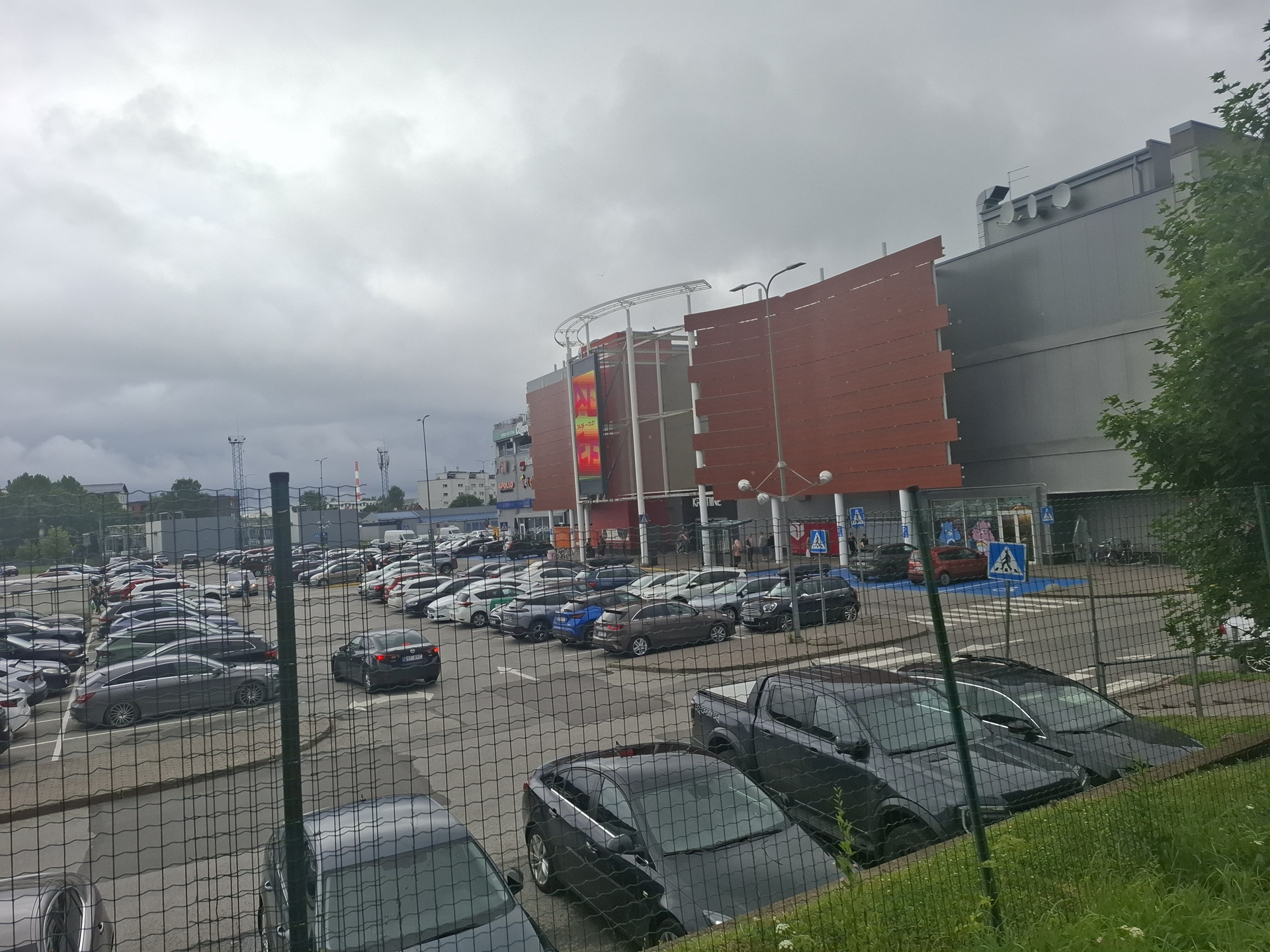
Tallinn Shopping Malls: Where Shopping, Culture, and Local Life Come Together

Beyond Retail: Experiencing Tallinn’s Shopping Malls as Cultural and Social Hubs On a cold evening, Solaris Center fills…
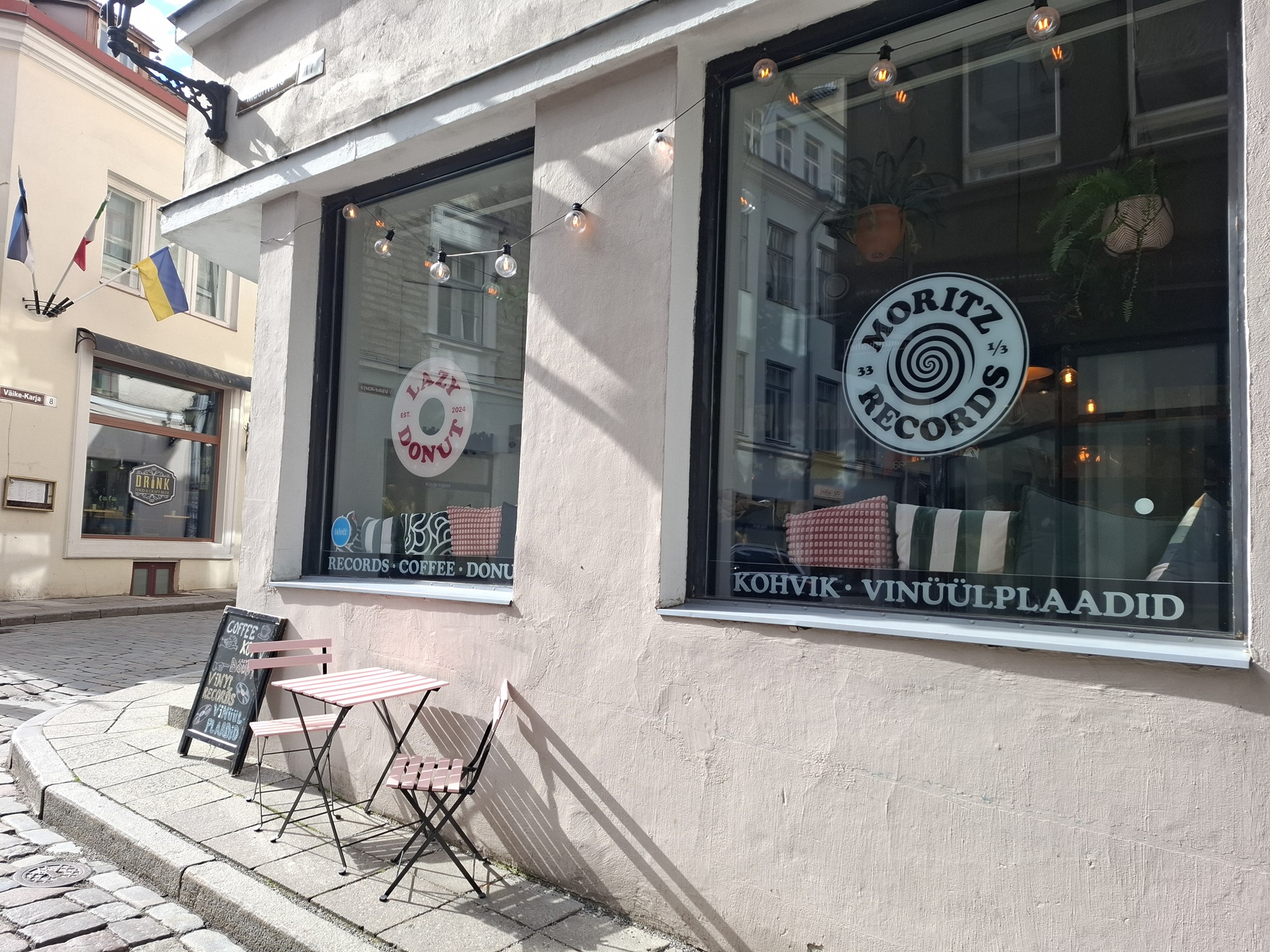
Tallinn Record Shops: A Guide to the City’s Best Cultural Itinerary
Tallinn Record Shops Belong in Your Cultural Itinerary If you are mapping Tallinn record shops, think beyond shopping.…