The Local’s Palate: Navigating Estonian Beer Styles in Tallinn
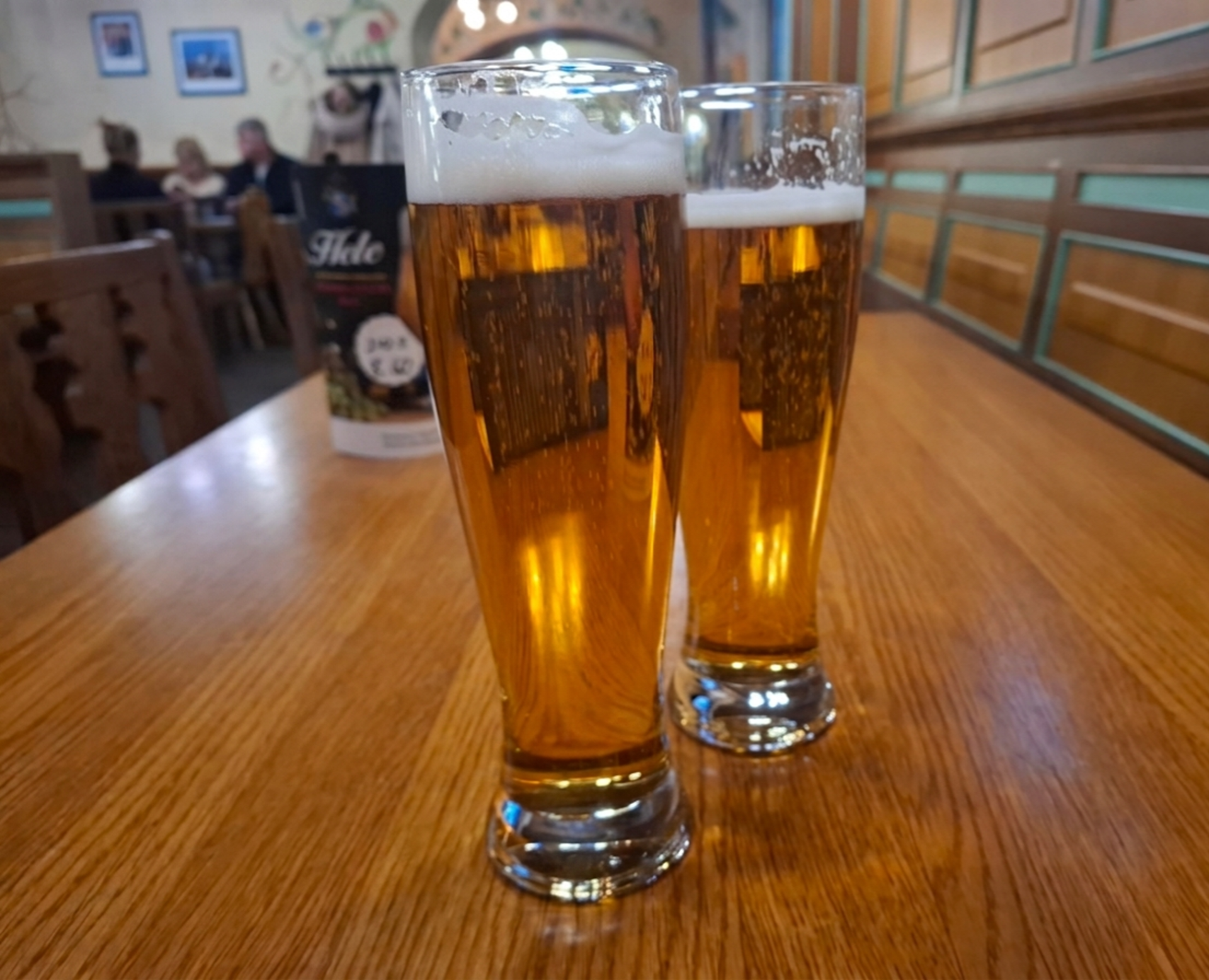
Estonian Beer Styles: A Tallinn Guide to Local Brews History and Neighborhoods
If you are curious about Estonian beer styles, Tallinn is the easiest place to start. The city shows a quick contrast between old drinking habits and modern craft beer culture. In one evening, you can taste a plain local lager, then move to a smoky taproom pour. That mix tells you a lot about Estonia.
This guide explains what to drink, where to drink it, and why it matters locally. It also points you toward the neighborhoods that shape the city’s beer scene.
What Are Estonian Beer Styles? A Quick Guide for Visitors
So, what are Estonian beer styles in practice? Most visitors meet a familiar range first, from crisp lagers to fuller ales and darker seasonal pours. Traditional Estonian beer often sits beside newer Estonian craft beer on the same menu. That is why beer styles in Estonia feel easy to approach, but still varied.
Climate and drinking habits matter here. Long winters encourage darker, maltier beers, while summer brings lighter glasses and more terrace drinking. Baltic beer styles also influence the market, especially in Tallinn bars that serve both classic and experimental taps. The result is balanced, drinkable beer with enough character to stay interesting.
The Basic Styles You’ll Meet First
Start with lager, session beer, wheat beer, sour beer, porter, stout, and smoked beer. Many Tallinn bars pour them in 0.33L glasses, which keeps tasting easy. Mainstream local beers often cost €5 to €8, while craft pours usually sit around €6 to €9. The menus often mix familiar Baltic-style lagers with more playful craft taps.
Why Estonian Beer Feels different from Nordic or Baltic neighbors
Estonian beer tends to lean toward malty flavors and clear drinkability. You still find hoppy bitterness, but it usually stays controlled. Fermentation choices and local ingredients create a cleaner, more direct profile than many visitors expect. Taprooms and beer bars show these differences best, not standard tourist pubs.
Tallinn also shapes the experience. In a small market, neighborhoods matter, and each district has its own pace. That is part of what makes the Tallinn beer scene feel personal rather than polished for tourists alone.
How to Read a Tallinn Beer Menu Like a Local
Look for style names first, then ABV and IBU. ABV tells you strength, while IBU hints at bitterness. Many venues also mark seasonal beer styles in Estonia on chalkboards or digital tap lists. Locals usually scan the taps quickly, compare a few options, and order without overthinking it.
Traditional Estonian Beer: Rural Roots, Old Recipes and Farmhouse Influence
Traditional Estonian beer comes from rural life, where brewing connected to farming seasons and family gatherings. Historical brewing in Estonia was practical, local, and often small scale. Old Estonian recipes and rustic beer traditions survived through homebrewing and village customs. Today, those ideas still shape how people talk about beer.
In Tallinn, that heritage appears in modern settings. A taproom in Kalamaja may serve a beer inspired by farmhouse ale, while a sleek bar in Rotermann tells the same story differently. The contrast feels very Estonian. Old practices remain visible, even when the glass looks modern.
From Homebrewing to Village Brewing Customs
Homebrewing in Estonia once fit naturally into rural life. Beer appeared at seasonal work, family events, and local celebrations. Rural brewing customs valued what was available, not what sounded fashionable. That practical attitude still survives in small batch beers and specialty releases today.
Many of those old ideas now live inside modern labels and recipes. Breweries borrow from tradition without copying it exactly. Visitors can still taste that lineage in certain local beers to try in Tallinn. It is history, but it also feels current in a city like this.
What a Farmhouse Ale Means in Estonia
Farmhouse ale in Estonia usually suggests rustic beer traditions, gentle earthiness, and some seasonal personality. It may taste lightly funky, grain forward, or quietly herbal. Not every bar keeps it on tap, but specialty bottle shops and rotating craft menus sometimes feature one. When you find it, order a smaller pour first.
Why History Still Matters in Tallinn Today
Estonian brewing culture shows up in branding, taproom design, and beer names. Many breweries like to reference old stories or rural themes. That is not just decoration. It helps visitors understand that beer is part of cultural memory, not only nightlife.
Tallinn is the place where those stories get retold with confidence. Breweries use heritage details in tastings, labels, and décor. The connection feels natural in this city.
Estonian Craft Beer in Tallinn: The Modern Scene and Signature Breweries
Tallinn has undergone a quiet revolution. What was once a city of standard lagers is now one of Europe’s most vibrant craft beer hubs. The shift hasn’t just changed what’s in the glass; it’s changed the city’s geography. Instead of clustering in tourist traps, the best beer spots are found in the neighborhoods where locals live and create.
For the beer traveler, this is a gift. Tallinn’s compact nature means you can experience the distinct “voices” of Estonia’s top breweries like Põhjala, Tanker, Õllenaut, and Lehe, all without leaving the central districts.
Estonian Breweries and What They’re Known For
Tanker often attracts drinkers who like sharper ideas and more playful experimentation. Õllenaut is a good name to watch for local Estonian beers with a straightforward, drinkable profile. Lehe often appeals to people looking for variety, from easy lagers to more adventurous styles. Together, they show how broad the city’s brewery culture has become.
Travelers can compare these producers in one evening and notice how each handles bitterness, malt, and fermentation. The differences are subtle, but useful. That comparison works best if you keep moving between neighborhood bars and taprooms. Tallinn’s brewery culture is collaborative, local, and comfortable at a human scale.
How Modern Brewers Use Local Ingredients and Seasonal Releases
Modern brewers in Estonia like rye, smoked malts, berries, and herbs. These ingredients give the beer a place based identity without making it feel forced. Seasonal beer styles in Estonia also shift with the weather. Winter usually brings darker and stronger beers, while summer favors lighter, more sessionable pours.
That rhythm makes sense in a country with long winters and bright short summers. It also explains why tap lists change so often. If you wonder how Estonian beer is made, the answer is often simple and local first. Ingredients follow the season, then the brewery shapes them into something modern.
Beer Styles in Estonia: Tasting Notes, Ingredients and What to Expect in the Glass
Beer tasting notes help you read an Estonian menu with less guesswork. In practice, beer styles in Estonia often balance clean malt, moderate bitterness, and easy structure. Visitors quickly notice that the best examples are not overcomplicated. They are direct, fresh, and made for drinking with company.
That makes Estonian beer tasting notes useful rather than technical. If you know what malty flavors, hoppy bitterness, or smoky grain usually mean, you can order with confidence.
The Flavor Profile of a Typical Estonian Lager or Session Beer
A typical Estonian lager usually tastes crisp, balanced, and lightly bitter. A session beer often keeps that same shape, but with lower strength and easier drinkability. Malty flavors support the beer without making it heavy. These are smart first orders for visitors who want something local and familiar.
Locals often drink these while talking for a while, not as a formal tasting exercise. That matters. The beer supports the conversation instead of taking over it. In a Tallinn pub, that relaxed approach fits the room perfectly.
Dark, Smoked and Stronger Styles to Look
Porter, stout, dark lager, and smoked beer give you the moodier side of the market. These beers often feel richer, with roast, cocoa, toast, or fire kissed grain. Darker styles are especially welcome in cold months. Craft venues may price them slightly higher, which usually reflects the ingredient load.
They also suit Tallinn’s winter interior culture. A warm room in Old Town or Noblessner makes a dark beer feel even more appropriate. The city does cozy interiors very well. That is one reason stronger beers remain popular here.
Sours, Wheat Beers and More Experimental Pours
Sour beer and wheat beer give you a different view of modern Estonian craft beer. Sours often taste bright, tart, or fruit driven. Wheat beers usually feel softer, cloudier, and more refreshing. These styles appear often in rotating taprooms and seasonal specials.
If you are unsure, start with a smaller pour. That is the easiest way to test an unfamiliar beer style. Tallinn’s craft bars use these releases to keep locals interested, too. The experimentation feels practical, not theatrical.
Where to Try Estonian Beer Styles in Tallinn: Neighborhood by Neighborhood
The easiest way to understand the Tallinn beer scene is to walk it. Each district offers a different setting, and each setting changes how the beer feels. Old Town beer culture is visible and convenient. Kalamaja and Telliskivi bars feel more local. Noblessner beer spots and Rotermann add a cleaner, newer backdrop.
If you want to learn where to learn about Estonian beer, start with the neighborhood that matches your mood. Some people want history. Others want design, waterfront views, or easy bar hopping.
Old Town: Classic Beer Bars and Easy First Stops
Old Town is the simplest first stop for visitors. Beer bars in Tallinn Old Town often stay open late, and many serve Baltic styles alongside local drafts. Prices usually fall between €5 and €8, depending on the beer and the room. The medieval streets add atmosphere, even if some places lean touristy.
That said, not every bar here is a trap for visitors. Some still pour good local beer and keep the selection honest. If you stay near the Old Town area, you can sample a few styles without much planning.
Kalamaja and Telliskivi: the Creative Beer Corridor
Kalamaja and Telliskivi are better for visitors who want craft beer culture in Tallinn. The area has a relaxed, artsy feel and strong everyday energy. Telliskivi Creative City and the Baltic station market area make it easy to combine beer, food, and casual wandering. You can move between spots without feeling rushed.
This is where modern Estonian beer feels most at home. Tram access from central Tallinn is simple, and walking between bars is easy. The neighborhood feels lived in rather than staged.
Noblessner, Rotermann and Kadriorg: Stylish Stops for a Beer Route
Noblessner, Rotermann district, and Kadriorg each add something different to a beer route. Noblessner beer spots pair well with waterfront walks and a calmer pace. Rotermann feels design forward and central, with easy tram or walking links. Kadriorg works well for daytime wandering before an early evening drink.
The Põhjala Tap Room is the key anchor here, especially near the Seaplane Harbour area. It suits a longer stop and pairs nicely with food. You can reach these districts by tram, on foot, or by short taxi rides. For more planning, the Noblessner waterfront guide is especially useful.
How to Plan a Tallinn Beer Tasting Route Around Estonian Beer Styles
A good Tallinn beer tasting route should feel manageable, not crowded. Start with one historic stop, one craft-focused stop, and one neighborhood bar. That gives you enough contrast without turning the day into a race. The city is compact enough to make this easy. If you want local beers to try in Tallinn, pace yourself with 2 or 3 pours at each stop. Leave room for food and water.
A Beginner Friendly Route for One Afternoon
Begin in Old Town, where the first pour can be a straightforward local lager. Move next to Kalamaja for a craft focused stop with more variety. End in Noblessner, where the setting feels calmer and more scenic. That mix shows several sides of the city in one afternoon.
Keep the route light. Two or three pours per stop is enough, especially if you eat along the way. Water and a snack break help more than people expect. Tallinn rewards slow tasting better than rushed drinking.
What to Order First if You’re New to Estonian Beer
Start with a light lager or session beer. These are among the best beer styles in Estonia for first time visitors. If you want more depth, follow with a darker beer or one seasonal craft pour. That progression keeps the palate comfortable.
Ask for the freshest local tap, or a small tasting flight if the bar offers one. Many bartenders are happy to point you toward a useful choice. The habit fits local drinking culture well. People often order what looks fresh and move on.
Transport, Pacing and Best Times to Go
Walking works well for the Old Town to Kalamaja route, especially if the weather is fair. Trams help when you want to connect districts faster. Taxis are useful late at night or when you move toward Noblessner. Afternoon tastings work best, while evenings suit bar culture.
In winter, indoor venues feel especially inviting. Summer opens more terraces and longer stops. Seasonal beer styles in Estonia also make the timing matter a little more. A compact route keeps the whole plan simple and enjoyable.
Estonian Beer and Food Pairings: What Locals Drink With a Meal
Estonian beer and food pairings are practical, not precious. Locals usually think about what tastes good together, then order something simple. That approach works well with pub snacks, grilled food, and hearty meals. It also makes craft beer culture in Tallinn easy to enjoy with dinner.
Beer is part of the meal rhythm here. You can pair a light beer with fish, then move to something darker with meat or stew. The overlap between food and drink is especially visible in Telliskivi bars and Noblessner beer spots. Both areas make it easy to linger.
Best Pairings for Lighter Beers
Lager, session beer, and wheat beer work well with fish dishes, grilled chicken, and simple pub snacks. These beers stay fresh beside salt, herbs, and light sauces. They are also easy with fries or a sandwich. Locals often treat them as casual drinking beers, not formal pairings.
Best Pairings for Darker and Smokier Styles
Porter, stout, smoked beer, and dark lager all handle richer food well. Think stews, grilled meats, and heavier pub plates. The roast and smoke can match savory flavors nicely. In colder weather, these combinations feel especially natural in Tallinn.
Where Food and Beer Culture Overlap in Tallinn
Telliskivi bars and Noblessner beer spots make pairing easy because food is usually part of the plan. Many venues serve full menus, so you can stay for a longer tasting evening. That keeps the pace relaxed. It also shows how social Tallinn beer culture really is.
Seasonal and Cultural Habits That Shape Beer Drinking
Estonian brewing culture changes with the calendar. Seasonal beer styles in Estonia shift as temperatures and daylight change. Winter asks for darker, stronger beer. Summer encourages lighter styles and outdoor seating. The rhythm feels practical, not decorative.
Beer culture in Tallinn Old Town is visible, but not the whole story. Local beer traditions in Estonia also live in neighborhood bars, taprooms, and market side hangouts. That is why the city feels approachable to visitors. It is a place where beer belongs to daily life.
Winter Beers Versus Summer Beers
Winter usually favors dark beer styles in Estonia, including porter, stout, and darker lager. Summer opens the door to light beer styles in Estonia, especially lager and wheat beer. Outdoor terraces appear when the weather allows. Indoor taprooms become the default once the cold returns.
Two Local Habits Visitors Should Notice
First, people often choose by tap rotation instead of memorizing brands. Second, slow social drinking matters more than fast rounds. These habits keep the evening unhurried. They also make the bar experience feel more local and less performative.
How Beer Fits Into Everyday Tallinn Life
Beer shows up in after work meetups, weekend outings, and small celebrations. It appears in small bars, taprooms, and market adjacent hangouts. That is the real Tallinn beer scene. It feels lived in, not built only for visitors.
Final Thoughts: Why Estonian Beer Styles Belong on Your Tallinn Trip
Estonian beer styles range from traditional rural inspired beers to modern Tallinn craft releases. The best way to understand them is to taste them in context, across different neighborhoods. Tallinn keeps everything compact, so the city works well for a beer focused day. You can start familiar, then move deeper into darker, smoked, sour, or seasonal styles.
If you are planning your own trip, pick one neighborhood and build from there. Order a local flight, ask what is freshest, and let the route shape itself. That approach fits the city and keeps things relaxed. Tallinn rewards curiosity, and its beer culture is a good reason to linger a little longer. Come thirsty, and enjoy the city at its own pace.

Eve Horizon
Related Posts
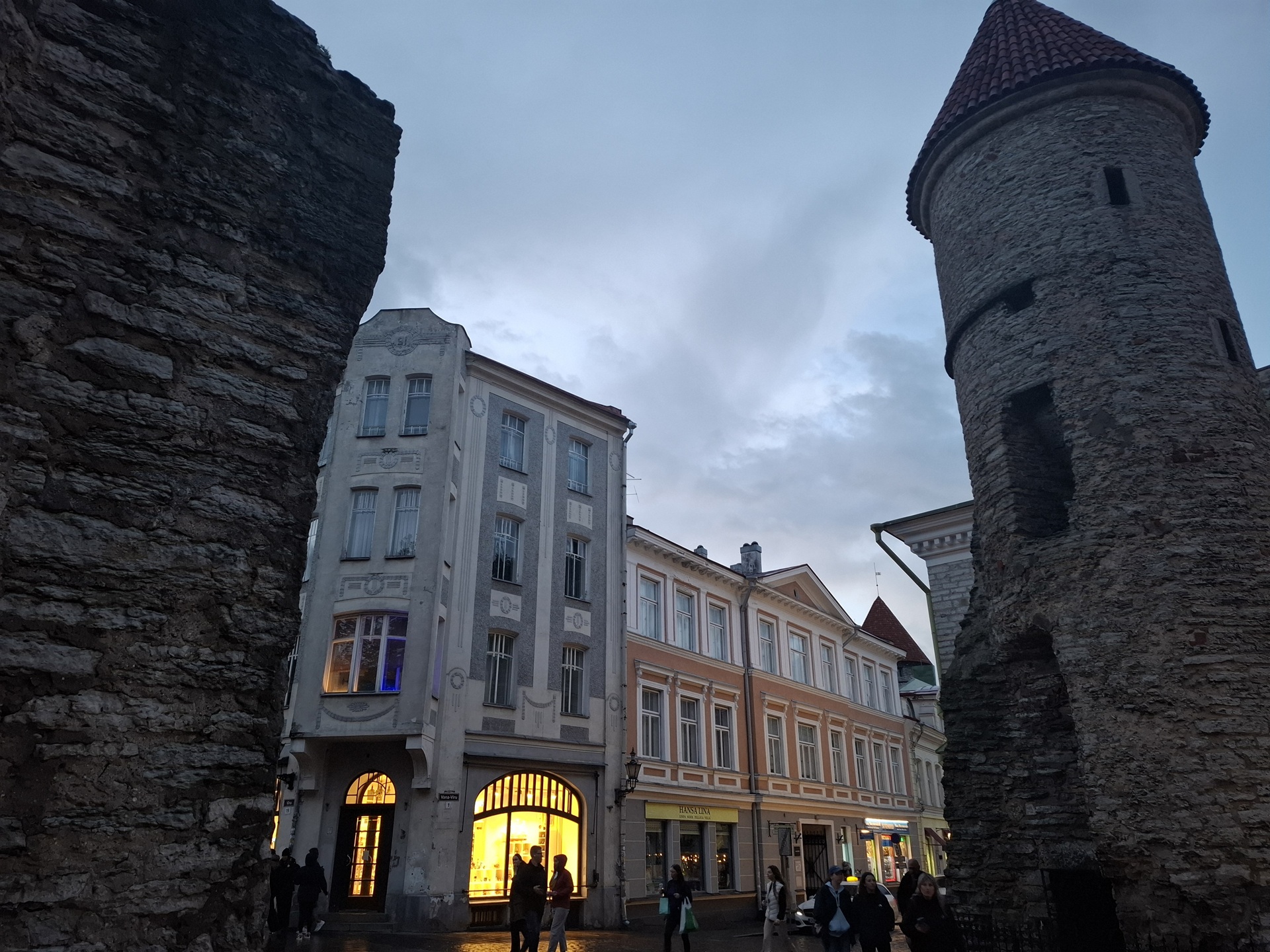
Dark Tourism & History Cluster in Tallinn: Exploring Historic Neighborhoods and Hidden Stories
Walking Through Shadows and Stories: An Authentic Journey into Tallinn’s Dark History and Craft Beer Culture On a…
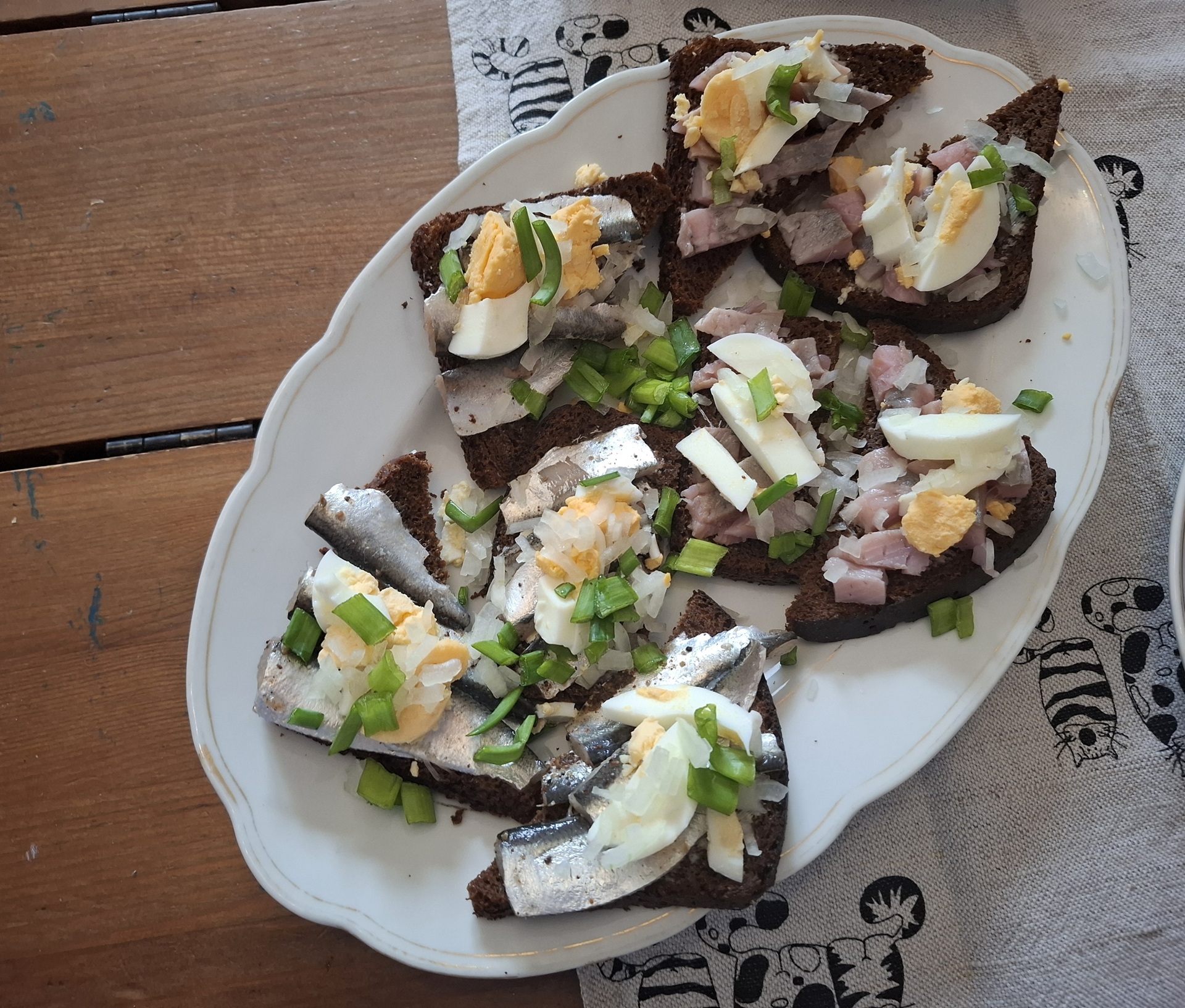
Traditional Estonian Food in Tallinn: Discover Estonia’s Dishes, Seasonal Flavors & Local Beer

Savoring Tallinn: An Insider’s Journey Through Traditional Estonian Food and Beer Pairings The first hint that Tallinn takes…
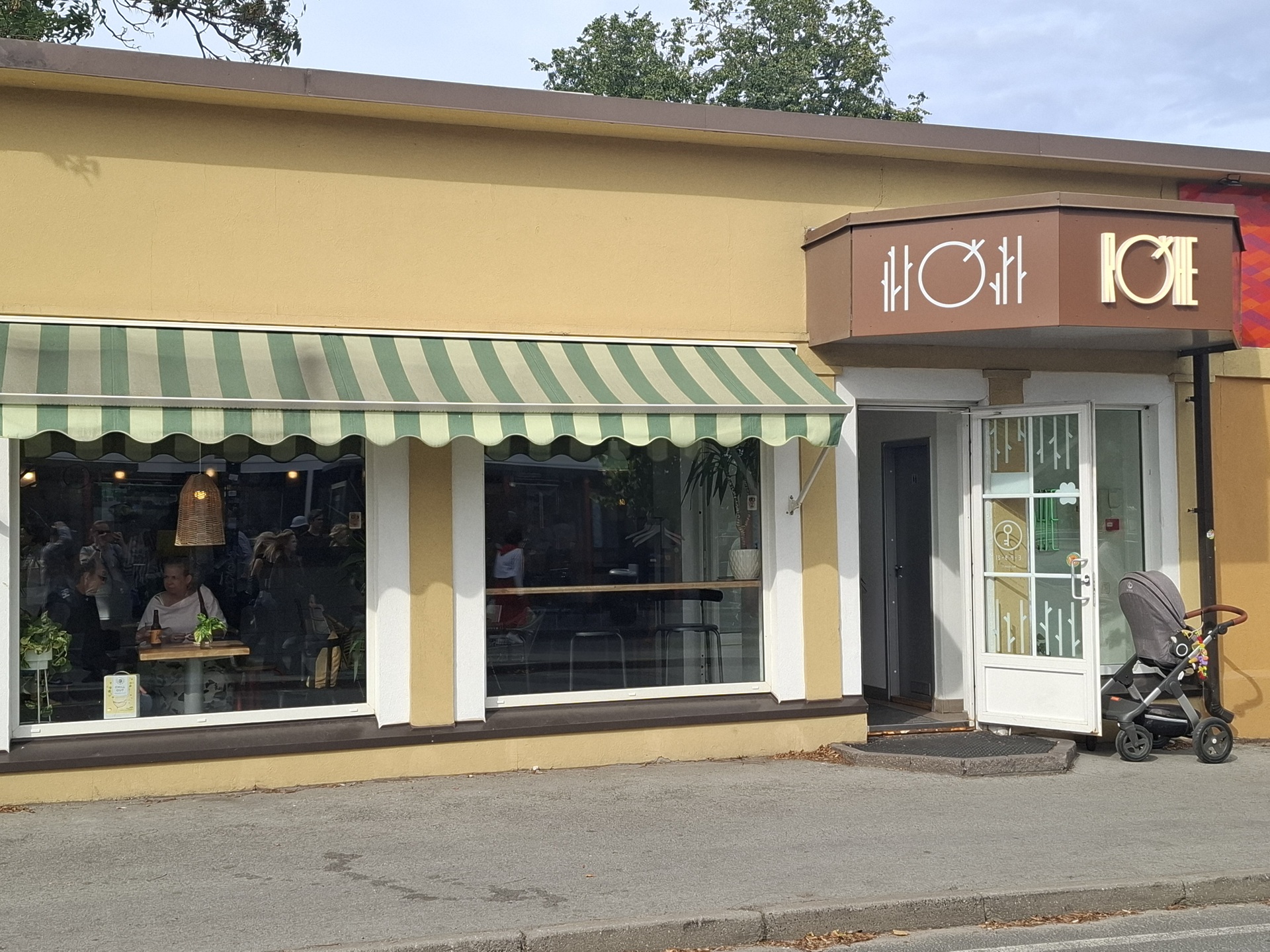
Tallinn Vegan Restaurants: Discovering Plant-Based Flavors Across Kalamaja and Telliskivi
Kalamaja’s Plant-Based Pulse: Rustic Vibes and Vegan Culinary On a quiet evening in Kalamaja, the smell of fresh…
One Day in Tallinn from a Cruise Ship: Medieval Old Town, Creative Districts, Estonian Craft Beer and Local Flavours in One Day
One Day in Tallinn from a Cruise Ship: A Craft Beer and Neighborhood Journey The morning air at…