



What the Soviet Legacy in Tallinn Actually Means Today
Soviet Legacy in Tallinn is easier to understand once you step beyond the postcard views. In Tallinn, the city is more than its Old Town, and that matters here. The Soviet period left marks on streets, housing, public space, and daily routines. A neighborhood by neighborhood approach makes those layers easier to read. It also works well for walking, because many traces sit close together.
For visitors, Tallinn Soviet history is not only about politics. It is about how Soviet rule shaped Tallinn, from rebuilding after war to later expansion. You see Estonian Soviet heritage in concrete housing, wide roads, and reused industrial sites. You also feel it in the way post Soviet Tallinn handles old spaces with practical care. The city did not erase everything, and that makes the story visible.
From Occupation to Independence: the Short Version
The Soviet occupation of Estonia changed Tallinn’s identity, planning, and public language. After the war, the city expanded fast, and Soviet priorities shaped where people lived and worked. Then independence brought a post Soviet transition, with new businesses, restored symbols, and fresh confidence. The result is a city that feels layered, not frozen. That contrast helps explain modern Tallinn very well.
What Visitors Can Still See on the Street
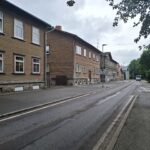
Look for panel buildings in Tallinn, especially in outer districts, Lasnamäe or Õismäe or along transit corridors. You will also see industrial heritage Tallinn in old factory zones and ports that now host cafés or galleries. Some Soviet era buildings Tallinn still keep their original facades, even when their use has changed. When walking, notice concrete surfaces, wide open courtyards, and streets built for cars and buses. These details tell a clearer story than any plaque.
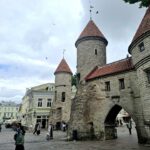
To reach those areas efficiently, Tallinn public transport tips help a lot. They also show how the city spread beyond the center during Soviet years. If you want a contrast, compare these streets with the Old Town walking route. The difference makes Tallinn’s historical layers easy to grasp.
Soviet Architecture in Tallinn: What to Look For
Soviet architecture Tallinn is often practical before it is beautiful. That is exactly why it matters. The city’s Soviet era buildings Tallinn reflect speed, utility, and standardization. You will see repetitive facades, functional layouts, and heavy materials. In Tallinn urban history, those details reveal how city planning in Soviet Tallinn worked on a large scale.
This layer is not limited to housing blocks. Post war architecture also shaped schools, offices, and transport zones. Some buildings look plain at first glance, but their proportions tell the story. If you know what to look for, the city becomes much more readable. That makes walking rewarding, especially outside the central tourist core.
The Look and Logic of Soviet Era Buildings
Soviet buildings often use large housing blocks, simple repetitive facades, and wide balconies. They were built for efficiency, not display. Monuments and public spaces followed the same logic, with broad sightlines and hard surfaces. When you see rows of identical windows, you are probably looking at a planned housing scheme. In Tallinn, those forms reflect rapid urban growth under pressure.
Where Soviet Planning Changed the City Most
Lasnamäe Soviet heritage is the clearest example of Soviet planning in Tallinn. The district spreads across a huge eastern area, with apartment blocks and wide roads that feel very different from the center. Industrial waterfront zones for example Kopli, also show that same logic, where work, storage, and transit once dominated. These areas are easier to explore by tram or bus, then on foot. That mix keeps the route manageable and realistic.
If you want to see how old spaces have been reused, go to Telliskivi, It shows how industrial buildings found a new purpose. For a broader post industrial comparison, have a walk in Noblessner. If you enjoy the atmosphere of those transformed spaces.
How to Tell Soviet from Post Soviet Development
Post Soviet Tallinn usually feels lighter, brighter, and more mixed in use. Modern glass redevelopment often sits beside older concrete structures. Refurbished industrial buildings keep their shell while gaining cafes, offices, or apartments. Mixed use districts show that Tallinn prefers adaptation over total replacement. That approach is one reason the city feels so coherent today.
Where to See Soviet Legacy in Tallinn Neighborhoods
Many of Tallinn’s Soviet-era neighborhoods sit beyond the typical visitor route, which is exactly why they are worth exploring. Walking through different districts reveals how the city developed in layers rather than in a single style. While traces of the Soviet period appear even in the center, the strongest impressions come from former worker areas and large residential districts. These places feel practical and lived in, not curated for visitors.
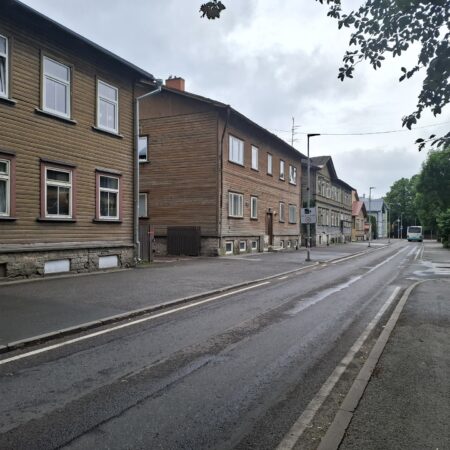
Focusing on specific neighborhoods makes it easier to compare the atmosphere across the city. Lasnamäe and Õismäe feel expansive and deliberately planned, with wide roads and repetitive apartment blocks that reflect Soviet urban design principles. Mustamäe shows a similar logic but with a slightly softer, greener feel shaped by later development and academic life nearby. Kopli, by contrast, offers a more industrial and raw perspective, where older wooden housing, former factories, and Soviet-era buildings exist side by side.
Together, these areas highlight how different interpretations of Soviet planning still shape daily life in Tallinn. Moving between them makes the city’s urban history easier to understand, not as something preserved behind glass, but as something still actively lived in today.
A Tallinn Soviet History Walking Route You Can Actually Do
A Tallinn Soviet history walking tour works best as a half day route. Start near Balti Jaam, move through Telliskivi, then continue toward Rotermann or the take tram to the Kopli. This gives you a clear mix of old infrastructure, reused industrial space, and modern development. The route is practical, compact, and easy to adjust. It also feels like how locals move through the city.
That matters if you want a Tallinn historical walking route with real context. You are not ticking off isolated sights. You are watching the city change block by block. The route also works as a Tallinn heritage walking itinerary for travelers who like urban detail. It is one of the best ways to find hidden Soviet traces in Tallinn without needing a car.
Route overview: start, middle, and finish
Begin at Balti Jaam, where transport infrastructure shaped daily Soviet life. Walk into Telliskivi, where former factories now hold cafés, studios, and creative spaces. Continue toward Rotermann, where industrial buildings meet glass-heavy modern design near the city center.
If you have more time, extend the route to Kopli. This district adds a different tone, less polished, more residential, and closer to how Soviet-era living environments actually felt. Wooden houses, older apartment blocks, and the coastal edge create a slower, more local atmosphere.
The core route takes about 3–4 hours with stops. Adding Kopli turns it into a longer, more exploratory day.
Best Transport Options Between Stops
Most of the route works well on foot, but tram connections save time between farther points, for example to Kopli. Bus links to Lasnamäe, Mustamäe or Õismäe are the best option if you want to add that district. A short taxi ride may cost about 5 to 10 euros, depending on traffic and distance. Tallinn transport is straightforward once you know the zones and app options.
When you want a second walking day, pair this with the Old Town walking route. It gives a useful historical contrast. If you have extra time, the Noblessner waterfront guide extends the industrial story toward the harbor. That area fits well into a wider city day.
What to Look for at Each Stop
At Balti Jaam, look for architecture details that show the station area’s changing function. In Telliskivi, notice redeveloped industrial sites and the shift from utility to leisure. In Rotermann, watch how public space changes when old structures meet modern glass. These contrasts tell the story quickly. They also make good photos, especially in soft light.
Cold War Tallinn: Memorials, Monuments, and Public Memory
Cold War Tallinn is not only about buildings. It is also about memory, debate, and public space. Tallinn Soviet memorials and monuments are part of a wider conversation about identity. Some are preserved, some reinterpreted, and some quietly removed from daily prominence. That process tells you as much as any street plan.
Estonian Soviet heritage remains visible because the city has to live with it. Museums, plaques, and official narratives all shape what people learn. But lived memory often differs from official wording. In post Soviet Tallinn, that tension is still present. It gives the city a thoughtful, sometimes cautious tone.
How Tallinn Remembers the Soviet Period
Monuments and museum narratives help frame the Soviet period for visitors and locals. Public debate also plays a role, especially when symbols carry mixed meanings. Tallinn tends to discuss these matters carefully. The memory is active, not frozen. That makes the city’s historical conversation feel current.
Why Some Soviet Traces Remain Visible
Some structures in Tallinn remain not just because they are old, but because they are still useful. Practicality often matters more than ideology. Industrial buildings, housing blocks, and infrastructure continue to function, giving the city a sense of continuity rather than replacement.
Adaptive reuse is a key part of this. Former factories become creative spaces, and older buildings take on new commercial or cultural roles. Instead of removing the past, Tallinn adds new meaning to it.
Renaming and light redesign help these spaces fit into modern life. As a result, Soviet-era traces are not just relics, they remain part of everyday routines. Tallinn evolves by recontextualizing, not erasing.
How Soviet Rule Shaped Everyday Life in Tallinn
To understand how Soviet rule shaped Tallinn, look beyond monuments and facades. Everyday life changed through housing, commuting, shopping, and work. These systems created habits that still affect the city rhythm. Some are practical, some cultural, and some social. Together, they explain why Tallinn feels structured in certain ways.
Soviet influence on Estonian culture did not disappear in one moment. It shifted into post Soviet culture in Tallinn through routines and spaces. Markets, neighborhood shops, and transit habits all adapted over time. Tallinn after Soviet occupation became more open and more consumer focused. Still, some older patterns remain easy to spot.
Housing, Commuting and Neighborhood life
Panel housing districts shaped how many residents lived and moved. Commuter routes linked homes to jobs, schools, and shops. Shared courtyards created practical social spaces, even when they felt plain. You can still notice this pattern in older districts today. It gives the city a certain everyday logic.
From Soviet Habits to Modern Tallinn Routines
Market culture survived because people still wanted convenient local shopping. Today, cafés in repurposed spaces serve as social anchors instead. That shift says a lot about local resilience. Tallinn did not simply replace its old habits. It adapted them into a more flexible urban life.
The best examples often sit in transformed districts. The Telliskivi creative district shows how that works in practice. If you want to understand how those spaces feed modern social life, the Tallinn craft beer bars is a good companion. It connects old working areas to new evening routines.
Soviet Legacy in Tallinn for Beer Lovers and Curious Travelers
The Tallinn craft beer scene fits surprisingly well into this story. Old industrial buildings now host taproom culture, relaxed dinners, and tasting stops. That shift reflects the city’s broader transformation. It also gives travelers a natural way to end a walk. The connection between Soviet nostalgia and beer culture is subtle, but real.
Think of it as part of Tallinn’s modern rhythm. Brewery district spaces often grow from former work zones. They feel informal, local, and unforced. A Baltic porter tastes even better after a long walk through concrete and brick. That is especially true in neighborhoods shaped by reinvention.
Where History and a Pint Fit Naturally Together
Põhjala is the clearest example of history meeting a pint. Its industrial setting fits the city’s reused waterfront character. In Telliskivi bars, you can usually find local lager or a dark beer style on tap. A pint often costs around 6 to 8 euros, while a tasting flight may run 10 to 14 euros. That makes the stop easy to fold into a walking day.
If you want to go deeper, the Põhjala brewery and taproom is the best next step. It connects well with the industrial north side of the city. The setting suits the story of Tallinn’s post industrial reinvention. It is practical, social, and very local.
Local Habits That Help the City Feel Real
Quiet bar culture is common in Tallinn. People often keep unhurried evenings, even in busy districts. You will see a mix of locals and visitors, especially near creative areas. Conversations stay low, and the pace usually feels calm. That atmosphere suits the city’s understated style.
For more beer background, Estonian beer styles explained is a useful read. It helps place local brewing in context. Beer is secondary to the heritage story, but it adds warmth to the route. It also makes the city feel lived in, not merely observed.
Practical Tips for Exploring Soviet Era Tallinn
The best time to explore where to see Soviet architecture in Tallinn depends on the season. Winter daylight is short, so start early. Summer long evenings make photography much easier. Spring and autumn often give the clearest light and fewer crowds. Rainy days can still work well if you focus on sheltered streets and public buildings.
For a Tallinn Soviet history walking tour, pacing matters more than speed. You do not need to see everything in one day. The city reads well in sections. That is especially true for Tallinn urban history and architecture, where distance helps reveal contrasts. If you plan simply, the walk feels relaxed and informative.
Best Time of Year and Best Time of Day
Morning light is best for concrete textures and building details. In winter, midday is usually your safest window for photos. Summer evenings give longer, softer views across the districts. If weather turns bad, use cafés and transit as backup. Tallinn still works well when the light is gray.
Costs, Pacing and Transport Basics
Tram and bus rides usually cost only a few euros, depending on how you pay. Coffee often runs 3 to 6 euros, and a casual beer is usually 6 to 10 euros. A half day pace is ideal for this route, especially if you stop for lunch. The city is easy to manage without overplanning. That keeps the experience calm and flexible.
If you want to reach farther Soviet era buildings in Tallinn, public transport is the easiest option. For another self guided day, the Old Town walking route gives a very different perspective. You can also use Tallinn public transport tips for longer jumps across the city. That makes the whole trip smoother.
Why the Soviet Legacy in Tallinn Still Matters
The Soviet Legacy in Tallinn still matters because it is visible everywhere. You see it in architecture, street patterns, and neighborhood character. You also notice it in the contrast between old concrete and new glass. A neighborhood based walking approach makes that history easier to understand. It also makes the city more enjoyable to explore.
The best experience comes from comparison. Soviet era spaces feel different beside post Soviet reinvention. Cafés, beer stops, and creative districts show how Tallinn has changed without losing every trace of its past. That balance is what makes the city interesting today. Walk beyond the Old Town, follow the route at your own pace, and let Tallinn reveal its layers. It is a city that keeps its history close, and that makes it worth coming back to again and again.

Other Articles
Join the Rhythm: Live Music in Tallinn
No Comment! Be the first one.