





Kalamaja Uncovered: An Insider’s Journey Through Tallinn’s Bohemian Brewery Quarter
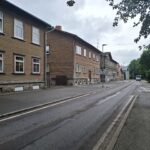
Late on a clear evening, Kopli Street feels unhurried. Wooden houses soak up the last of the light, their paint slightly faded, balconies strung with laundry or a single string of bulbs. From somewhere behind them, near Telliskivi Street, the low hiss of a tap being pulled drifts over, carrying the smell of malt and grilled food. This is usually the moment visitors realise they have walked out of Old Town and into a different city entirely.
Kalamaja’s character comes from this mix of old and new. A former fishing and industrial district still lined with 19th century wooden buildings now shares its streets with breweries, art studios, and small markets. Locals use tram line 1 as casually as a corridor, stepping off for a coffee, a quick beer, or a bag of vegetables from the market before heading home. By the end of this Kalamaja neighborhood guide, you will understand how history, beer, food, and everyday routines all knit together here, and how to move through it with the same quiet confidence as the people who live nearby.
Echoes of the Past: Kalamaja’s Rich History and Wooden Soul
The first thing many people notice in Kalamaja is not the beer but the wood. Rows of two and three storey houses along streets like Kopli, Vana-Kalamaja and Soo carry carved window frames and small staircases that creak when someone comes home late. This is not an Old Town museum street, but a living former workers’ district that has kept most of its original fabric. Understanding how that past shaped the present helps every later stop, from cemetery to taproom, feel more grounded.
From Fishermen to Artisans: Tracing Kalamaja’s Cultural Transformation
Kalamaja began as a practical answer to work. Fishermen, dock workers, and factory employees needed to live near the Baltic, so simple wooden housing grew up close to the harbour and rail lines. That housing now defines Kalamaja wooden architecture. Along Kopli Street you can still trace whole blocks of these buildings, some freshly painted in deep greens or ochres, others weathered to a grey that matches the sea in winter. Each narrow staircase and ornamental balcony reminds you that this started as a working class neighborhood, not as a design project.
After the Soviet period, many of those houses were neglected, then slowly reclaimed. Gentrification arrived in fits and starts, pushed along by artists, students, and small business owners who could afford the rents when more central areas priced them out. The result created the Kalamaja neighborhood character that visitors notice today, something bohemian but still grounded. Morning light falls onto quiet residential streets where people walk dogs, carry bags of groceries, or lean on balcony rails with coffee mugs. Weekdays feel low key. Saturdays bring a small surge as families head toward the market and friends meet near Telliskivi Creative City for brunch or a first drink.
For a different side of Kalamaja history, step into Kalamaja Cemetery park. Once a major burial ground dating back to the 16th century, it carries layers of religious and political history, including the Soviet era clearing of headstones. Today it reads more as a park with paths, trees, and a soft sense of absence. Locals use it for quiet walks, running routes, and short cuts between streets. On a cool morning the air carries a hint of sea salt from nearby harbour areas, mixed with damp earth and pine. Only the occasional tram bell or seagull call reaches this pocket of calm.
The old fishing community still shadows how people eat here. Smoked and pickled fish, dark rye bread, and simple potato dishes show up in home kitchens and at Balti Jaam Market. You taste that heritage again through modern lenses in the neighborhood’s bars and breweries, which play with juniper, spruce tips, or sea salt in their brews. Estonian craft beer has grown quickly, and the Tallinn craft beer scene overview makes more sense once you have walked these streets that once depended entirely on the water.
Locals talk often about the pressure of tourism and real estate, yet most would rather see slow, respectful change than a flood of short term visitors. Over-tourism feels risky to a place whose appeal relies on ordinary life still happening. The best way to meet Kalamaja on its own terms is to arrive on foot from Old Town, a 30 minute walk, or by tram line T1, T2, T5 and T6 or buses numer 3 or 73. Walking along Kopli Street or Vana-Kalamaja street creates its own informal tour of Kalamaja wooden architecture, from carefully restored facades to leftover Soviet repairs, and lets you feel the neighborhood’s gentler pace compared to the city center.
A Crawl Through Kalamaja’s Craft Beer Heartbeat
Once you have the grain of the wood and the harbor wind in mind, Kalamaja craft beer starts to feel like an extension of the place rather than a trend. Bars here often occupy old industrial buildings, where the smell of wort mixing with cold brick recalls the area’s factory past. This section follows a loose walking crawl through bars that shape the local scene: a route where you can taste how Estonian brewing has grown alongside the neighborhood.
Starting at Telliskivi: Põhja Konn Bar
Telliskivi Creative City serves as the informal gateway to Kalamaja, drawing visitors into a lively mix of restored industrial buildings filled with independent shops, creative studios, galleries, and inviting places to eat and drink. Among its long-standing neighborhood favorites is Põhja Konn, a relaxed bar that reflects the area’s artistic character and unpretentious atmosphere. Rather than chasing trends, it has built a reputation as a dependable gathering place where locals and visitors naturally cross paths.
Inside, the space embraces Telliskivi’s industrial heritage with exposed brick, timber details, vintage furnishings, and warm lighting that softens the old factory walls. A long wooden bar anchors the room, while mismatched tables, shelves lined with books and curiosities, and artwork from local creators give the venue an informal, lived-in feel. Music stays comfortably in the background, allowing conversation to take center stage as guests settle in over drinks.
The drinks menu focuses on a well-curated selection of Estonian craft beers alongside international favorites, with rotating taps that encourage guests to try something new. Local lagers, hop-forward IPAs, rich porters, and seasonal specialties are usually available, complemented by a selection of ciders, wines, and classic cocktails. Bartenders are approachable and knowledgeable, happy to recommend a beer based on personal taste or introduce visitors to breweries they may not have encountered before. Prices remain accessible, making Põhja Konn an easy place to linger rather than simply stop for a quick drink.
The atmosphere changes gently throughout the week. During weekday afternoons, the bar attracts freelancers, creative professionals, and residents looking for a quiet drink or casual meeting. As evening arrives, tables gradually fill with friends catching up after work, visitors exploring Telliskivi, and small groups enjoying the neighborhood’s relaxed nightlife. Weekends are livelier without feeling overwhelming, and arriving before the evening rush usually makes it easier to find a comfortable seat.
Stepping outside, Telliskivi’s colorful murals, food vendors, and pedestrian courtyards extend the experience beyond the bar itself. The surrounding streets encourage wandering, with independent boutiques, design stores, and cultural venues only a few minutes apart. Walking from Kalamaja Market or Kalamaja Square takes around ten minutes, making Põhja Konn an easy stop while exploring one of Tallinn’s most creative districts.
More than simply a place to have a drink, Põhja Konn captures the everyday spirit of Telliskivi. The mix of familiar faces, creative energy, and relaxed conversation reflects the neighborhood’s identity, while details such as bicycles parked outside, coats hanging by the entrance during winter, and the distant sound of passing trams remind visitors that they are part of a living local community rather than a tourist attraction. It is a bar that feels comfortably woven into the rhythm of Kalamaja and Telliskivi alike.
Explore Kalamaja with TOPS Bar and Uus Laine
Leaving the bright cluster of Telliskivi, Kalamaja’s smaller bars reveal a quieter, more neighborhood-focused side of Tallinn’s nightlife. Rather than chasing late-night crowds, many locals drift toward places where conversations linger, the music stays comfortably in the background, and familiar faces return throughout the week.
TOPS has become one of Kalamaja’s defining neighborhood bars, combining the relaxed feel of a local café with the atmosphere of an evening gathering spot. During the day, people stop in for coffee or lunch, while evenings bring a steady mix of residents and visitors sharing craft beer, natural wine, and simple cocktails. Large windows overlook Soo Street, making it an excellent place to watch the neighborhood settle into the evening. Inside, warm lighting, wooden furniture, and an unfussy interior create an inviting space that encourages lingering over another round. Expect Estonian craft beers alongside carefully chosen international options, with most drinks falling in the €5–8 range.
A short walk away, Uus Laine adds a more creative energy without losing Kalamaja’s laid-back character. Part neighborhood bar, part cultural venue, it regularly hosts live music, DJ sets, stand-up comedy, art exhibitions, and community events. The audience changes from one night to the next, but the atmosphere remains welcoming rather than overwhelming. On quieter weekdays, conversations spill onto the outdoor terrace, while weekends often bring intimate concerts or vinyl DJs that keep the room lively without feeling crowded. The drinks menu focuses on local craft beers, ciders, cocktails, and a rotating selection of wines, making it an easy place to spend an entire evening.
Craft beer remains woven into Kalamaja’s identity, with many neighborhood bars pouring respected Estonian breweries such as Põhjala, Lehe, and Pühaste. Seasonal releases frequently appear on tap, giving regular visitors something new to discover throughout the year. Whether you prefer hop-forward IPAs, rich stouts, or refreshing farmhouse ales, the district offers plenty of opportunities to sample Estonia’s thriving independent brewing scene.
Down toward the harbor, Põhjala Taproom keeps one foot firmly in Kalamaja and the other in the wider Baltic. The brewery’s proximity to the sea influences both its identity and, at times, the beers themselves, with crisp pale ales, bold IPAs, and occasional salted specialties reflecting the coastal setting. During summer, the outdoor seating provides a pleasant place to enjoy a pint while watching the harbor surroundings come alive. Brewery tours are available by appointment, and the taproom is especially popular on weekends, making it a worthwhile stop for anyone exploring the neighborhood’s beer culture.
The atmosphere in these smaller venues contrasts with the energy surrounding Telliskivi Creative City. After 22:00, the side streets grow noticeably quieter, with only warm pools of light marking the bars that remain open. Many locals treat an evening out as a leisurely walk between favorite spots, perhaps starting with a drink at TOPS bar, continuing to Uus Laine for live music, and finishing with a peaceful stroll toward Kalarand, where the sound of gentle waves replaces the city’s daytime bustle. Kalamaja’s nightlife isn’t built around big clubs or crowded streets; it’s shaped by good conversations, independent businesses, and a strong sense of community that makes visitors feel like regulars, even if only for one evening.
Weekend Mornings at Balti Jaam Market: The Heart of Kalamaja’s Food Scene
For anyone spending time in Kalamaja, the neighborhood’s market is Balti Jaam Market. Sitting beside Tallinn’s main railway station at the edge of Kalamaja, it has become one of the city’s busiest places to shop for fresh food while still keeping a strong connection to local producers. On weekend mornings, the market fills with residents buying groceries for the week, meeting friends over coffee, or picking up ingredients for a picnic by the sea.
Weekend Mornings at Balti Jaam Market: Where Locals Gather
Early in the day, bakery counters display dense rye breads and freshly baked pastries, while fruit and vegetable stalls offer seasonal produce ranging from strawberries and blueberries in summer to mushrooms and root vegetables later in the year. Fish vendors stock smoked Baltic favourites such as herring, sprats, and salmon alongside fresh catches, while smaller producers sell local cheeses, honey, preserves, and handmade pickles. The mix of traditional Estonian foods and international ingredients reflects Kalamaja’s blend of old neighbourhood traditions and modern city life.
Walking through the market is as much about atmosphere as shopping. The aroma of fresh bread mingles with coffee and smoked fish, and conversations drift between regular customers and stallholders discussing the latest harvest, favourite recipes, or the weekend’s plans. Families browse together, cyclists stop for breakfast before heading toward the waterfront, and visitors quickly discover that Balti Jaam Market functions as both a grocery market and a neighbourhood meeting place.
Prices vary depending on the season and the producer, but local berries, artisan bread, smoked fish, and regional cheeses generally cost more than supermarket alternatives while offering fresher ingredients and direct support for Estonian farmers and small businesses. Many shoppers arrive with reusable bags, reflecting the market’s emphasis on seasonal produce, local sourcing, and reducing unnecessary packaging.
One of the market’s advantages is its location. From Balti Jaam Market, it’s only a short walk to Kalamaja’s cafés, Kalarand Beach, Telliskivi Creative City, and Põhjala Tap Room. Many locals assemble an easy picnic of rye bread, smoked fish, cheese, and fresh berries before heading to the waterfront, while others continue into the neighbourhood for lunch or an afternoon spent exploring independent cafés and craft beer bars.
Beyond food, the market regularly hosts pop-up vendors, seasonal events, and small community activities that add to its lively atmosphere. Bulletin boards and nearby cafés often advertise local concerts, workshops, and neighbourhood gatherings, making Balti Jaam Market not only a place to shop but also one of the easiest places to get a feel for everyday life in Kalamaja.
Cozy Cafes and Casual Bites Along Telliskivi Street
If Balti Jaam Market shows the neighborhood’s weekend appetite, the cafés along Telliskivi Street reveal its weekday thinking. Converted warehouses and smaller ground floor spaces host coffee bars where laptops sit beside sketchbooks, and where conversations slide easily from work to music to someone’s latest sourdough attempt. These are more than fuel stops. They are places where local musicians meet designers, where a brewer might come in for an espresso before heading back to check a tank.
Menus often play with Estonian staples. You might see kama, a traditional mixture of roasted grains, worked into layered desserts or smoothies, or find a simple slice of kohupiimakook, a local curd cheese cake, beside more international pastries. Coffee culture here leans toward carefully sourced beans and skilled preparation rather than spectacle. Expect a flat white or hand brew in the 3.5 to 6 euro range, with pastries from 2 to 6 euros, served in interiors that mix exposed brick, plants, and mismatched chairs.
Afternoons between 14:00 and 16:00 are good times for a quieter table, especially if you want to read or plan the rest of your walking tours in Kalamaja. The crowd often includes small groups of artists, students, and remote workers, many of whom use cafés as their main office. Ambient sound comes from grinders, soft indie or jazz playlists, and the low scrapes of chairs on wooden floors. Large windows let in strips of light that move slowly across tables as the day shifts.
Cafés act as natural pauses between brewery stops and art walks. You can step out from Põhjala Tap Room, wander past murals and design shops, then slip into a café for something sweet or a non alcoholic drink before deciding whether to continue toward the harbor or back toward Old Town. Maiasmokk, the city’s oldest café, sits a short walk away closer to the center and offers a different, more historic atmosphere if you feel like connecting Kalamaja to the rest of Tallinn’s café story. For a structured option, consider joining one of the walking tours in Tallinn’s creative districts, many of which thread naturally through these coffee stops.
Navigating Kalamaja Daily: Walking Routes, Trams and Neighborhood Flow
Kalamaja reveals itself best at walking speed, with the occasional tram ride when the weather turns or your feet start to complain. Streets follow a simple grid between Kopli Street, the railway lines and the water, so even a casual wander rarely leaves you lost. Understanding how walking routes, tram line T1, T2, T5, T6 and small pauses at squares or seaside paths fit together helps you design your own Kalamaja day trip ideas without wasting time or energy.
Step-by-Step: A Craft Beer Brewery Crawl Route on Foot
A realistic brewery crawl in Kalamaja starts with choosing the right anchor. Many people begin near Balti Jaam Market or Kalamaja Square, both reachable by tram line T1, T2, T5, T6 or a 30 minute walk from Old Town. From there, you can loop through key spots like Põhja Konn bar, TOPS bar or Uus-Laine.
One sensible route runs like this. Start early afternoon at Balti Jaam Market for food, especially on a Saturday. From the market, walk about 10 minutes through quiet residential streets toward Põhja Konn bar in Telliskivi Creative City. Spend an hour or two here, perhaps with a beer flight and some bar food, and take time to glance at the murals and small shops around the courtyard. Then continue on foot for 15 to 20 minutes of slow walk toward TOPS Bar, using side streets to see more wooden houses and to feel how afternoon light warms their facades.
After TOPS, head in the direction of the harbor. Depending on current openings, you can plan a stop where Põhjala Taproom is located. Each leg usually takes 15 to 20 minutes, with cobblestones underfoot in some older lanes and smoother pavements near newer developments. By the time you reach Põhjala Taproom, the sun may be dipping, especially in spring and autumn, casting a soft light across the water at Kalarand.
Tram lines shadows parts of this path along Kopli Street. You might hear the mechanical hum and bell of a passing tram while you walk parallel one block away. Knowing that a stop is usually not far away offers a small safety net. The entire loop would take about 45 minutes of pure walking without stops, but in practice it stretches across an afternoon and early evening. Starting around 14:00 lets you keep most of your movement in daylight and finish with a slow harbor walk near sunset.
The point of a Kalamaja craft beer crawl is not to collect as many glasses as possible, but to feel transitions: from the bright noise of the market to the amber quiet of cafes, from street art walls to open sea. You notice how sounds shift, from trams and café chatter, to the softer lap of waves and the clink of glasses on outdoor tables. The route links directly back into the walking tours in Tallinn’s creative districts many visitors already follow, yet keeps its own, slower rhythm.
Using Public Transport: Trams T1, T2, T5, T6 and Beyond
Public transport rounds out the picture for days when the weather refuses to cooperate or when you stay farther from Kalamaja. Tram lines runs as the neighborhood’s backbone, connecting Kopli through Kalamaja and Telliskivi with the city center stops at Balti Jaam, Vanasadam, Hobujaama and Viru. Once you have used it a couple of times, the route becomes second nature, something you thread into walks rather than a separate system to figure out.
A single tram ticket costs about 2 euros and remains valid for 60 minutes, including transfers. You can buy and validate tickets with contactless payment on board or use a transport card if you plan to stay longer. Trams generally run from around 5:30 to 23:30, with 10 to 15 minute intervals on weekdays. Early mornings and late nights feel slightly quieter, though frequency also drops, so plan those hours more carefully. During rush hours near 8:00 and 17:00, expect more crowding, especially between Balti Jaam and Telliskivi.
Deciding when to ride and when to walk depends on weather and how much beer you have tasted. On a clear autumn afternoon, the 20 minute walk from Old Town along the railway and into Kalamaja gives you a better sense of scale than any tram could. In sleet or deep snow, most locals admit they take trams even for one stop. The tram windows frame the slide from stone and glass towers to wooden porches and trees, a compressed preview of what your feet will later cover.
For those who prefer cycling, city bike-share stations cluster around Telliskivi and the city center. Spring and summer see a noticeable rise in cyclists along Kopli Street, Vana-Kalamaja Street, Soo Street and toward Kalarand, with locals weaving calmly between tram tracks and parked cars. Basic safety habits apply: stick to marked lanes where they exist, respect trams, buses and use lights in darker months. For structured planning, many visitors pair a day on wheels with a Kalamaja day trip itinerary, then rely on the tram for the return trip as temperatures drop.
When to Go: Kalamaja’s Seasonal Rhythms and Cultural Pulse
Kalamaja does not feel the same in June as it does in January, and the neighborhood’s appeal shifts with the light. Summer brings long evenings and outdoor festivals, winter pulls people into candlelit taprooms, and the shoulder seasons belong largely to residents and the occasional slow moving visitor. Planning your trip around these rhythms can change how you experience the same streets and bars.
Summer in Kalamaja: Open-Air Festivals and Harbor Life
Summer in Kalamaja stretches the day almost absurdly long. The sun lingers over the harbour, giving people time to move through markets, galleries, and beer gardens without any real rush. Kalarand, Noblessner and Lennusadam becomes a natural stage for small beer festivals and live music evenings, where temporary bars pour local brews and food stalls grill fish and vegetables until late.
Telliskivi Creative City hosts pop up outdoor markets and artisan fairs during these months, often on weekends. Tables overflow with ceramics, prints, and handmade textiles, while from nearby speakers a DJ or small band keeps a steady background groove. Outdoor seating at breweries, cafés, and craft beer bars in Kalamaja fills from late morning until around 22:00, with people shading their eyes against the reflected sun on metal tanks and glass windows.
Harbor walks along Kalarand, Lennusadam or Noblessner feel particularly generous in early evening. Families spread blankets, swimmers test the water, and groups of friends share bottles or plastic cups at the edge of the sand. The best time for a slow stroll sits somewhere between 18:00 and 21:00, when the heat softens and the water turns gold. You might hear snippets of folk tunes drifting from a small stage behind you, or catch the opening chords of an indie set as you turn back toward Telliskivi.
These events cluster mostly between June and August, especially on Fridays and weekends. Tram lines and buses 3 or 73 works reliably even on busy festival days, though cars fill more quickly near Telliskivi and Balti Jaam. Outdoor tables at spots like Põhjala Tap Room and Põhja Konn typically open around 12:00 and operate until about midnight, depending on season. Checking the seasonal events calendar in Tallinn gives a useful base list, but Kalamaja also generates smaller community led gatherings, including beach cleanups and sustainability themed meetups organized by local groups.
Winter’s Warmth: Cozy Taprooms and Quiet Walks
Winter strips Kalamaja back to its shape. Snow settles on pitched roofs and wooden ledges, street noise dims, and breath hangs briefly in the air as you walk. The neighborhood does not shut down. It simply turns indoors. Breweries like Põhjala Tap Room and TOPS Bar respond with candlelit tables, richer beer lists, and a slower, more intimate tone.
From outside, taproom windows glow in sharp contrast to the early darkness. Frost or condensation blurs the line between street and interior, so you see figures and light rather than faces. Inside, you might hear the muted crackle of a fire or at least see candles and low lamps casting warm pools across wood and brick. Aromas shift toward stronger malt, chocolate notes, and spiced winter specials, sometimes alongside pine branches used as understated decoration.
Winter versions of Balti Jaam Market still operate, though with less produce and more emphasis on smoked meats, preserved vegetables, and baked goods. The air feels sharper, and each exhale rises briefly in front of you as you examine jars of pickled cucumbers or rows of dense loaves. Crowds thin out compared to summer, which creates more space to talk with vendors about how they salt their fish or which bread freezes best.
Locals tend to favor early evenings between 18:00 and 21:00 for taproom visits, arriving in layered clothing and leaving coats on racks near the door. Streets after dusk become quieter, yet they remain welcoming: light spilling from stairwells, the crunch of snow underfoot, and the occasional tram sliding past with only a few passengers. Most indoor venues keep hours roughly from 12:00 to 22:00, with some closing earlier on Sundays and Mondays. Public transport frequency drops slightly, but tram lines T1, T2, T6, T5 , buses 3 and 73 still serves a reliable connection for those who would rather ride than walk into the wind. For a broader perspective on how beer culture adapts to cold months, the Tallinn craft beer scene overview provides useful context.
Off the Beaten Track: Local Life, Street Art, and Hidden Corners
Once you have ticked off obvious stops, Kalamaja’s character reveals itself in corners that do not feature on most maps. A faded mural behind a warehouse, an unassuming bench where retirees trade stories, a cemetery path that doubles as a daily route to the tram. These spaces hold the routines and improvisations that keep the neighborhood feeling like a place to live rather than simply a stage for visitors.
Mural Trails and Stories in Telliskivi Creative City
Telliskivi Creative City provides the clearest concentration of Kalamaja street art, yet many pieces sit just out of obvious sight. Walls facing inner courtyards or small service alleys carry large scale murals that reference workers’ history, Baltic forests, or fragments of Estonian folklore. One wall might show a fisherman in thick boots staring out to an abstract sea, another a fox slipping between stylized pines, painted in colors that intensify under low evening light.
Themes shift with each new piece or festival. Some summers bring outdoor art events where international artists join local painters to refresh surfaces around the district, turning Telliskivi into a kind of open notebook of changing ideas. Community groups and property owners often coordinate these projects, which means that street art here tends to respond to local conversations rather than generic slogans. People use prominent murals as meeting points before heading into bars or events, or as backdrops for quick photos on the way to a gig.
Visiting in the morning has its own quiet reward. Without many people around, you can stand directly in front of a wall and see fine details that would disappear from a distance: a pattern etched into a worker’s coat, the outline of nails left from an older poster, small signatures almost hidden in corners. Evening unlocks a different layer, with carefully placed lights throwing shadows that alter how a piece reads.
All of this sits within easy reach of the beer circuit. The longest walk between key murals and spots like Põhjala Tap Room rarely exceeds 20 minutes. You could easily design a personal loop that alternates between tasting rooms and walls or join one of several walking tours in Tallinn’s creative districts that unpack the stories behind specific pieces. The value lies not in cataloguing every mural, but in letting these unexpected bursts of color reframe familiar brick and wood.
Quiet Corners and Community Rituals: Market Rituals and Daily Life
Beyond art and beer, Kalamaja’s local culture shows through in how people use public space on an ordinary weekend. At Balti Jaam Market, early shoppers combine errands and greetings, pausing for coffee at a small kiosk before continuing on. Children play near the entrance while parents compare apples, and the same faces often reappear later in the day sitting on benches along Kopli Street or lining up at a bakery.
Community pride in artisanal and sustainable food runs quietly but consistently through these routines. Many small producers display short notes explaining where ingredients come from or which family member perfected a recipe. Pop up events, from tiny concerts to micro food festivals, appear without much online promotion. You hear about them from a flyer on a noticeboard or a vendor mentioning that someone’s cousin will play guitar in front of the market next Sunday.
Cafés and small kiosks function as informal social anchors. A quick trip for bread often turns into a 20 minute conversation on a corner, or a planned solo coffee morphs into a shared table once a neighbor walks past. Weekend bustle at the market peaks around 09:00 to 12:00, then drains away slowly as people disperse to Kalarand, Telliskivi, Noblessner or home kitchens. Late afternoon has a softer, suspended quality, with fewer people on the streets and more activity behind glowing windows.
Quiet public spots deepen the neighborhood’s sense of ease. Kalamaja Cemetery Park, mentioned earlier, feels especially tranquil in late afternoon, its leafy paths frequented by dog walkers and older locals happy to stop and talk if you open the conversation gently. Along the Lennusadam, you might see children riding scooters near the water while grandparents sit on low walls, hands wrapped around thermos cups. Asking stall owners or bar staff about small events often yields better information than any website. The seasonal events calendar in Tallinn gives structure, but human recommendations fill in the blanks.
Living and Working Locally: A Digital Nomad’s Guide to Kalamaja
Some visitors never fully leave Kalamaja, at least in spirit. They find themselves extending stays, renting an apartment near Kopli Street or Vana – Kalamaja street and folding remote work into the same pattern of market runs and taproom evenings that locals follow. For digital nomads, the neighborhood offers decent connectivity, a cluster of work friendly cafés, and public transport connections that make the rest of Tallinn an easy extension rather than a separate world.
Workspace and Wi-Fi Friendly Hangouts
Cafés along Telliskivi district anchor most remote work in the area. Inside many of them, you will see a familiar landscape: power strips hiding beneath benches, laptops open beside half finished cappuccinos, and people on headphones shifting quietly between calls and code. Wi-Fi is usually strong, with passwords written on chalkboards or printed on receipts, and staff are accustomed to guests staying for several hours as long as orders keep pace with time.
Midweek mornings offer the easiest seating, especially between 09:00 and 12:00. Light pours through large windows, highlighting the textures of exposed brick and worn tabletops, while background noise remains at a level that supports concentration. By late afternoon the tone tilts more social as locals finish their work days and meet for early drinks or cakes, and the cafés begin to bridge naturally into the nearby Kalamaja nightlife.
Põhjala Tap Room, while not a traditional office, can double as a casual workspace during quieter weekday afternoons. Sitting by a window with a laptop and a non alcoholic drink or a single light beer, you fall into the gentle buzz of conversation and occasional clink of glasses. The shift around 17:00 from work mode to beer mode feels almost ceremonial. Screens close, notebooks disappear, and the bar takes on its evening identity.
For those who prefer more structure, co working spaces in Telliskivi Creative City offer desks, meeting rooms, and events that draw both locals and visitors. Monthly passes usually range from 70 to 130 euros depending on access level. Windows in these spaces often frame leafy courtyards or studios where other creative work takes place, adding a visual layer that can help on days when your own tasks feel abstract. Balancing hours here with time in cafés and bars gives remote workers a varied rhythm that keeps Kalamaja from ever feeling like a monotone office district.
Cultural life does not end with work. When the laptops close, many digital nomads drift into the same pattern as long term residents: a walk through Telliskivi to check new street art, a simple dinner, and perhaps a beer at a spot highlighted in the best neighborhoods for nightlife in Tallinn guide. The trick lies in letting work compress into certain hours so that the rest of the day belongs fully to the neighborhood.
Grocery Shopping and Everyday Logistics
Living in Kalamaja for any length of time brings local shops into much sharper focus than bars. Balti Jaam Market becomes less of an attraction and more of a baseline, a place to pick up vegetables, eggs, or smoked fish on weekend mornings. During the week, supermarkets near cover the rest, stocking a mix of Estonian staples and international items. Opening hours usually run from about 08:00 to 22:00 on weekdays.
Smaller specialty stores play a growing role. Some focus on organic produce, fermented foods, or bulk grains that fit the neighborhood’s taste for sustainable eating. Walking into one of these spaces brings a wave of smells: fresh herbs, coffee, baked goods still cooling on racks. Staff can often recommend which local cheese works best with a particular Põhjala porter, or how to cook a cut of fish you have not tried before. That interplay between local food habits and craft beer culture keeps even simple meals interesting.
Getting around day to day rarely poses problems. Tram and bus monthly passes cost around 30 euros ( For students 13 euros) and cover all movements between Kalamaja, the city center, and other districts. Scooters, like Bolt, near Telliskivi Street and the Lennusadam come into their own in spring and summer, when more residents choose scooters for daily errands.The clack of bike gears and the distinct sound of a bell cutting through the street add their own counterpoint to the rumble of trams.
Libraries and cultural centers in and around Kalamaja help longer term visitors find community beyond screens. Events include language clubs, readings, and small exhibitions that bring together a mix of ages and backgrounds. Many digital nomads find that showing up at these gatherings, combined with regular appearances at the same cafés or market stalls, leads to light but meaningful connections. For those intrigued by how beer culture weaves through this everyday life, the broader guide to Tallinn’s local breweries helps situate Kalamaja within the citywide picture.
Walking Out: Letting Kalamaja Set the Pace
At some point, usually later than you planned, you will find yourself standing again near the harbour, like Noblessner, Kalarand or at a quiet corner of Kopli Street. The last light slides over rows of wooden houses, and the aroma of malt and grilled food from a nearby taproom blurs gently into the salt of the sea. Trams pass at regular intervals, windows briefly framing lives moving in both directions, yet the street around you feels strangely self-contained.
Kalamaja asks for attention, but not haste. A day spent here folds history, beer, food, and small daily rituals into one continuous walk rather than a checklist. You begin with creaking staircases and cemetery paths, continue through taps and coffee cups, and end with the familiar sound of tram lines heading back to City Center, like Viru or Hobujaama. At each step, the neighborhood reveals not only what it offers, but how its residents choose to live.
Returning another season brings a different reading of the same places. Summer terraces and outdoor festivals give way to snow muffled streets and candlelit bars. Market stalls change their contents, murals gather new layers of paint, and the balance of locals to visitors shifts slightly with each month. The constants are quieter: a preference for thoughtful ingredients, a careful respect for wooden architecture, and a calm pride in the community that has grown here.
Walking away along the harbor edge at dusk, you may feel that Kalamaja has not tried to impress you so much as invite you to match its rhythm. If you accept, the neighborhood ceases to be a destination and starts to feel like a place you already know how to return to, one taproom, tram ride, and slow morning at a time.