Dark Tourism & History Cluster in Tallinn: Exploring Historic Neighborhoods and Hidden Stories
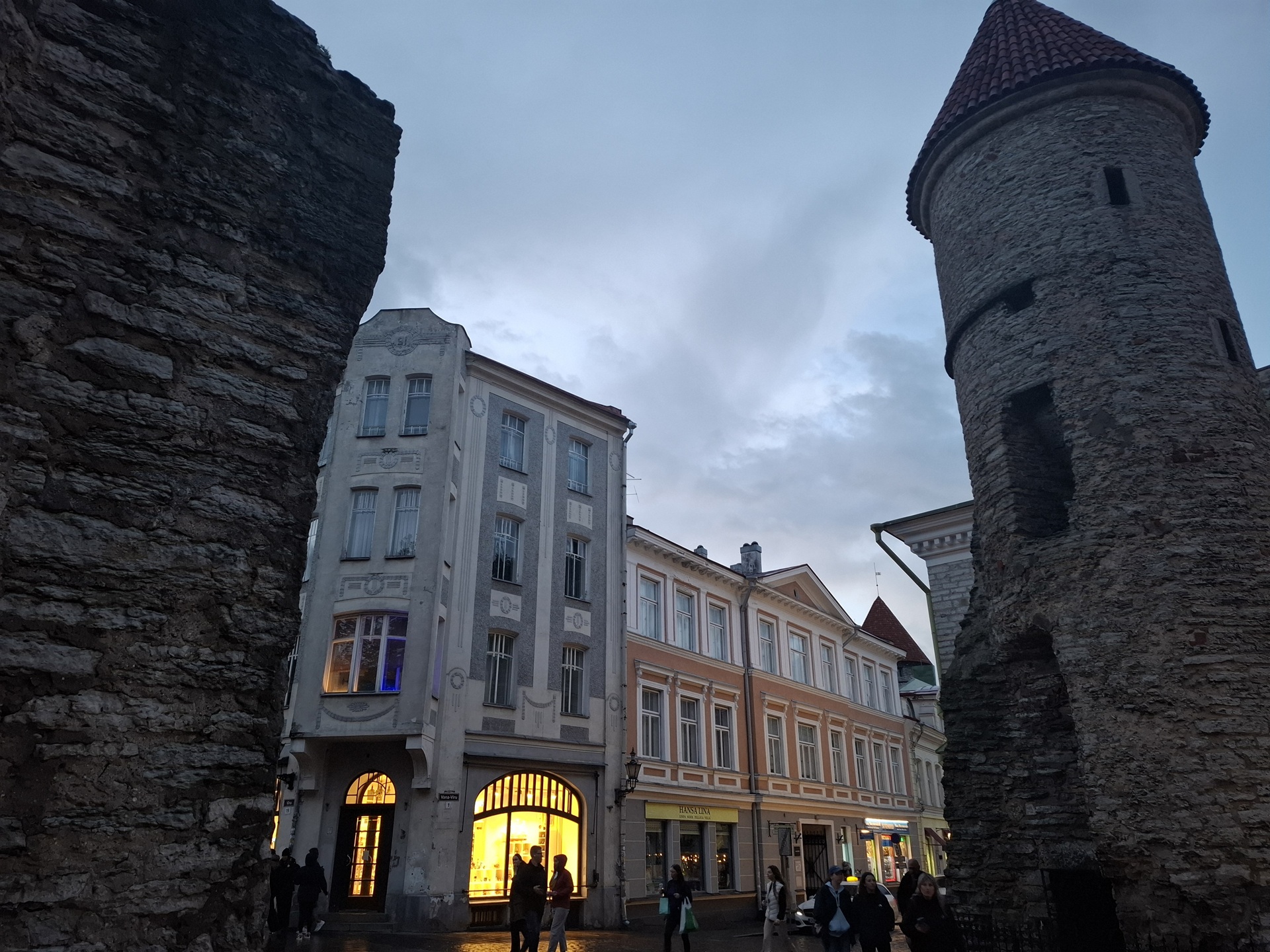
Walking Through Shadows and Stories: An Authentic Journey into Tallinn’s Dark History and Craft Beer Culture
On a winter evening in Tallinn, light spills from a cellar doorway on Pikk Street and catches the mist that rises from the cobbles. Inside, candles flicker against stone walls that have watched merchants, soldiers, and party officials come and go. Step back outside and a few minutes on foot take you past places where people once hid from air raids, queued for ration cards, or whispered about independence.
This is where Dark Tourism and History in Tallinn become less like a checklist of sights and more like a set of overlapping stories. Medieval towers, Soviet offices, underground vaults, and brewery taprooms all sit within a walkable radius, each carrying a different mood. If you plan your route with a bit of care, the day can move from cold stone corridors and prison gates to warm wooden bars where locals argue about football and politics over black IPA.
What follows is not a race through “top attractions” but a way to read the city. You will move through historical neighborhoods, descend into tunnels, pause at memorials, then surface in places that brew beer inside old factories. Along the way you get timings, rough prices, and a sense of when to linger and when to walk on, as someone who has lived with these streets for years would quietly suggest.
Exploring Tallinn’s Historical Neighborhoods: Time and Memory
Every discussion of Dark Tourism and History in Tallinn tends to start with single sites, but the city really reveals itself through its neighborhoods. Old Town, Kalamaja, Rotermann, and Telliskivi each hold a particular era close to the surface. Walk them in sequence and the moves from medieval trade to industrial growth to Soviet occupation and finally to creative reuse feel almost physical.
This section sketches how these historical neighborhoods in Tallinn differ in rhythm and tone. Later you can stitch them into your own walking routes, with the help of resources like Walking tours of Tallinn neighborhoods. For now, imagine how your day will flow between lantern-lit streets, wooden workers’ houses, brick warehouses, and factories turned into galleries and taprooms.
Tallinn Old Town: The Medieval and Soviet Palimpsest
Old Town is where Tallinn Old Town history sits most visibly on the surface, and also where some of the more recent scars hide in plain sight. Cobblestones make you slow down, which is a good thing here. Gothic spires, warehouses, and merchant houses earned the area its UNESCO status, but preservation has always been a negotiation between tourism, local life, and the realities of keeping fragile buildings upright in a northern climate.
Walk along Pikk Street on a weekday morning and you feel those negotiations in the quiet. Delivery vans nudge past tour groups, office workers cut through between meetings, and if you look closely you can still notice traces of the Soviet era in old signage ghosts on facades or in the austere entrance to some administrative buildings tucked behind more polished storefronts. Viru Street a few blocks away hums much louder with souvenir shops and pub crawls. Many locals simply treat it as something to cross quickly on their way to calmer corners or to somewhere like St. Catherine’s Passage.
St. Catherine’s Passage, with its textured walls and artisan workshops, offers a softer rhythm. The passage runs behind the main streets and catches the sound of footsteps on stone, rather than karaoke from bar speakers. Small historical museums, galleries, and sometimes access to underground cellars gather here, which makes it a useful anchor if you want to move between surface-level Tallinn Old Town history and the underground vaults beneath Tallinn Old Town. Look up and you see the layers of brick and timber; look down and you feel the uneven steps, which is why comfortable shoes are not just a suggestion but a requirement. Most guided Old Town tours, which last around two to three hours, plan their routes to keep you on the gentler slopes when possible.
Guided walks often weave between documented events and legends. You might hear about executions on old market squares, then a story about a house haunted by a merchant who cheated his partners. Local guides tend to balance their storytelling carefully, especially those who also lead tours based on Local folklore and legends of Tallinn. The result can feel more like a conversation than a lecture, especially if someone in the group asks about their own memories of late Soviet times or the independence movement and a guide chooses to answer from personal experience.
Key sites like Alexander Nevsky Cathedral on Toompea Hill frame this blend of religious, imperial, and Soviet narratives. From its steps you can look across red roofs that predate the Russian Empire and also toward buildings that once housed Soviet administration. Visit in the morning when the air is cool and the stone still quiet. Later in the day the soundscape shifts. By late afternoon and evening the Old Town squares and side streets fill with clinking glasses and folk music leaking from bars. Inside the older pubs along Pikk Street, candle wax drips onto wooden tables, and the smell of malt and aged wood replaces the crisp outdoor air. Expect to pay around 6 to 8 euros for a pint in these places, slightly higher in the most touristy spots, less in side streets.
For all its medieval postcard qualities, Old Town is not a museum sealed from the harsher parts of Estonian war history. Many Soviet-era plaques, memorials, and stories remain unmarked unless a guide points them out or you already know where to look. Paying attention on your walks, especially on quiet weekday mornings, closes some of that gap.
Kalamaja and Telliskivi: From Working-Class Roots to Cultural Renaissance
A short walk or tram ride northwest of Old Town, the mood changes. Kalamaja grew as a maritime and working-class district, where wooden houses lined streets that smelled like fish, coal, and sawdust. Soviet occupation layered factory work, communal living, and stricter planning over those older rhythms. Today the Kalamaja historical district still carries that modest, practical feel, even though cafés and galleries now sit among the old homes.
Telliskivi on the edge of Kalamaja once served as a dense factory complex. Now Telliskivi Creative City fills the old workshops with studios, bars, and performance spaces. You can still read the industrial past in the concrete beams, loading docks, and scraps of Soviet-era murals at the edges of the courtyards. On weekends families push prams over the same railway spurs that once carried freight, and young creatives lean against brick walls painted with street art, coffee or beer in hand.
The walk from Old Town to Kalamaja, which takes about 25 minutes if you do not stop, passes through some of Tallinn’s starkest contrasts. One moment you are leaving the last stretch of city wall, then you cross wide roads edged with Soviet apartment blocks, and finally the streets narrow and wooden houses appear. Exploring Kalamaja on foot works best because the small details reward a slower pace. Peeling paint on a stair rail, a Soviet-era balcony grafted onto an older wooden facade, or a tiny metal workshop that somehow survived redevelopment all tell stories if you look closely.
Telliskivi is where history and beer start to interlace. Põhjala Brewery, one of the names that regularly comes up in lists like Best craft breweries in Tallinn by neighborhood, originally brewed here before expanding to a larger site. Even now, the district carries the smell of coffee, yeast, and grilled food on busy afternoons. Craft beer bars and taprooms share walls with design studios, and you can often hear a soft rumble from brewing equipment behind an otherwise quiet doorway.
Trams T1, T2, T5 and T6 link Telliskivi and Kalamaja back to the center in around 10 to 15 minutes, with tickets around 2 to 3 euros if bought from machines or via contactless card. That makes it easy to start a day walking through Old Town, then jump on a tram at the edge of the center and finish among the street art and old brick sheds. Afternoons bring a fair amount of street noise as children play and markets open, while evenings soften into pockets of conversation and warm light spilling from industrial windows. Try to remember that residents still live in the wooden streets behind the main creative cluster, which helps keep your own presence more respectful than intrusive.
If you want to stretch your night beyond Old Town, this is also one of the areas that features prominently in guides to Tallinn nightlife beyond Old Town. Even then, the history remains close at hand, written in the rooflines and in the older faces on park benches who have watched the neighborhood’s changes with mixed feelings.
Rotermann Quarter: Industrial Heritage Meets Urban Revival
Rotermann Quarter sits between Old Town and the harbor, a compact zone where tall brick flour mills, salt warehouses, and engineering workshops once dictated the skyline. In the 19th and early 20th centuries it formed a key industrial cluster for the city. Parts of it decayed during the late Soviet years and early independence period, then architects began stitching new glass and metal structures around the old brick shells rather than bulldozing them.
Today the Rotermann Quarter heritage conversation plays out in the details. You see steel-framed walkways bridging old walls, cobblestone paths meeting poured concrete, and laser-cut signs mounted on arches that once carried cranes. As you move through the courtyards the crunch of stone underfoot shifts to the softer slap of larger pavement slabs, and sound echoes differently between brick and glass. Early mornings can feel almost empty, especially in winter, with only the hiss of coffee machines from the first cafés opening. By mid-afternoon, office workers and visitors fill the spaces without turning them into a frenzy.
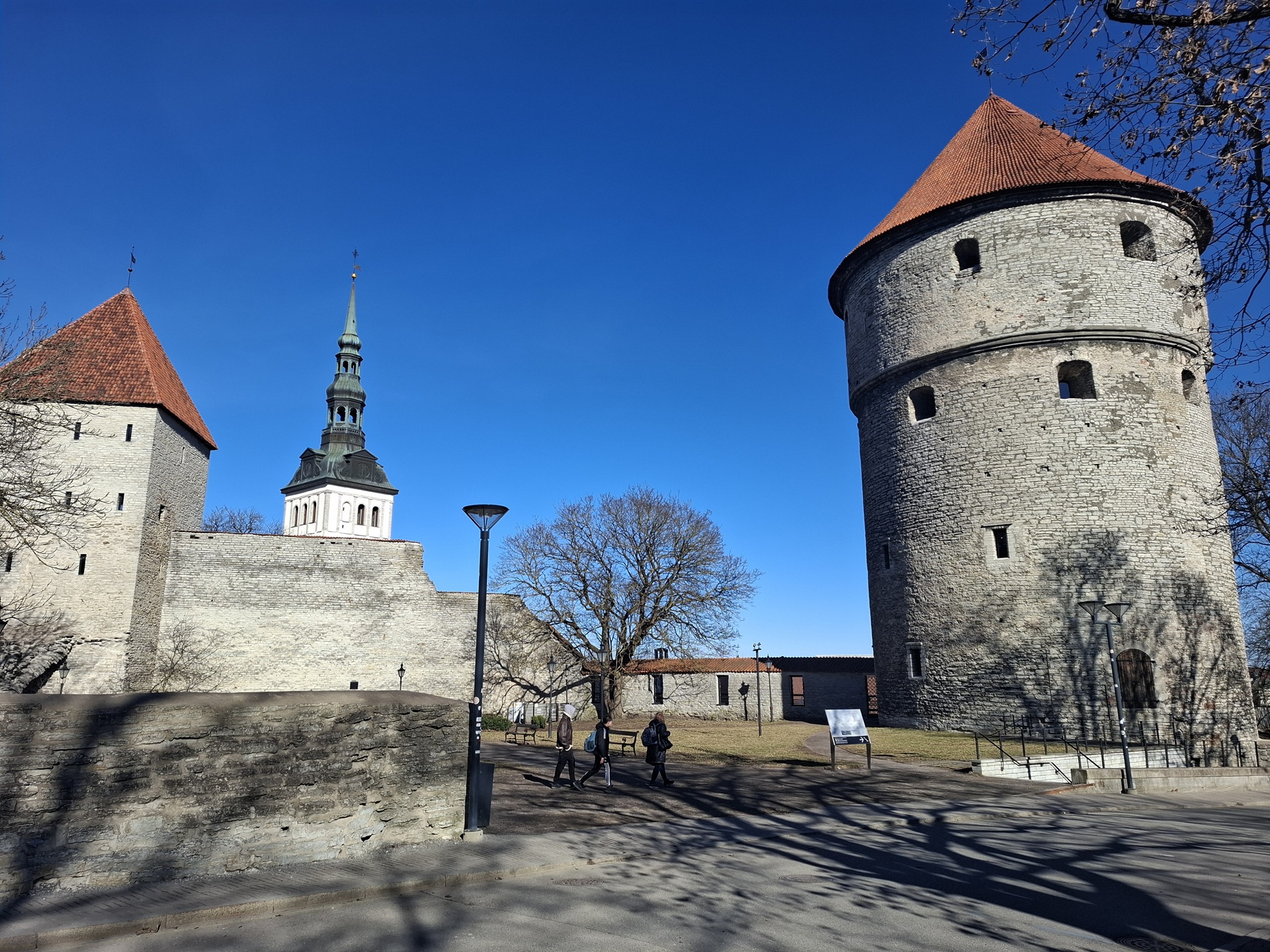
Rotermann is also a hinge between Old Town historical sites and the bastion fortifications that form part of Tallinn’s defensive story. A ten minute walk takes you from the quarter through the city center toward Kiek in de Kök Bastion Museum and the Town Wall and Bastions. These sites show how Tallinn tried to protect itself long before air raids and Soviet tanks, and the views from the wall backwards over the city make the relationship between medieval and industrial more visible.
In the evenings, especially during winter, Rotermann’s narrow streets and tall facades create deep, cool shadows. Light installations, shop windows, and a few carefully lit craft bars pull your eye indoors. Some of these bars operate inside restored warehouses, where thick walls and iron columns shape the sound of low conversations and the clink of glasses. They work well as end points after a visit to Kiek in de Kök or a late afternoon walk on the bastions, especially since many of them open from around 18:00 and stay active later into the night.
Expect around nine to 16 euros for admission to Kiek in de Kök, and around ten minutes walking time from Viru Gate in the Old Town to Rotermann. Routes vary slightly depending on traffic lights and which side streets you cut through, but in each case you move from old stone, to modern shopping streets, then back into brick warehouses and chimneys. For visitors interested in how industrial history links with the evolution of Estonian beer, these buildings also set the scene for later reading on the History and culture of Estonian beer, even if you are not yet holding a glass.
Treading the Dark Corridors: Key Dark Tourism Sites in Tallinn’s Old Town
Once you have a feel for the neighborhoods, specific dark tourism sites in Tallinn start to sit differently in your mind. Patarei Prison on the coast, the Bastion tunnels under Freedom Square, and the open expanse of Freedom Square itself each carry their own version of fear, resistance, and memory. They are not abstract subjects for a textbook on Estonian war history in Tallinn, but rooms, staircases, and open spaces you can stand inside and measure with your own steps.
This section moves from streets to interiors, from open squares to underground corridors. The focus is simple: how to visit these Tallinn dark tourism sites in a way that respects their weight while also staying practical about tickets, walking times, and what it might feel like to be inside them on a Tuesday morning in February versus a Saturday afternoon in July.
Patarei Prison: Through the Iron Gates of Soviet Oppression
Patarei Prison sits by the sea, just far enough from the Old Town that you feel the city fall away on the tram ride. Built in the 19th century as a coastal fortress for the Russian Empire, the complex shifted function over time and became a prison, including for political prisoners during both Nazi and Soviet occupations. Walking through its iron gates for a KGB Museum tour places you inside that spectrum of roles rather than outside judging them from a distance.
The usual approach is via trams from the city center, around a 15 minute ride, followed by a short walk. Patarei tours require advance booking through the official website, particularly in summer when visitor numbers rise. Standard adult tickets cost around 14 euros, with discounts for students. Tours last about 90 minutes, which does not feel padded, and capacity stays limited enough that you rarely struggle to hear the guide. Weekday mornings, especially outside July and August, tend to offer the quietest atmosphere.
Inside, the air is cooler and slightly metallic, with the faint smell of damp stone and rusted iron. Guides move you through interrogation rooms, cells, and exercise yards while narrating how the prison served both as a tool of terror and a site of small acts of resistance. Many guides carry some personal connection to the topics at hand, either through family stories or their own experience of late Soviet years. That personal layer changes the tone from museum script to something more fragile and human.
Sound inside Patarei carries strangely. Groups often fall silent between explanations, so you hear only the creak of floorboards, the click of doors, and the occasional echo of another tour turning a distant corner. In winter the sea outside takes on a flat grey color and cold wind finds its way through broken windows; in summer the light seems almost inappropriate, too bright for what you learn in those rooms. Photography is usually allowed, but visitors are asked to use cameras and phones discreetly, avoiding flash and loud commentary.
Given the subject matter, respectful behavior does not need complicated rules. Speaking quietly, avoiding jokes or staged “prison photos,” and moving with awareness through the corridors already goes a long way. Guides are generally open to questions that seek to understand, and less patient with attempts to turn trauma into spectacle. Resources like Walking tours of Tallinn neighborhoods often suggest pairing Patarei with a walk back through Kalamaja afterward, which gives you time and silence to digest what you have just seen.
Tallinn Bastion Tunnel: Secrets Beneath the Old Town
Where Patarei stretches outward along the coast, the Bastion tunnels move downward beneath the city. Built in the 17th century as part of Tallinn’s defensive system, the tunnels under Kiek in de Kök and Freedom Square later served as shelters, storage, and unofficial escape paths. During World War II and the Soviet era they offered both safety and secrecy, which makes them a natural stop for anyone interested in Tallinn Soviet history tours and older layers of conflict.
The entrance near Freedom Square lies only about ten minutes on foot from the heart of Old Town. Descend the stairs and the temperature drops a few degrees, even in summer. The air turns cooler and slightly damp, carrying a faint smell of stone dust and earth. Guided tours, which last about an hour and cost roughly ten euros or more for adults, run at set times. Groups are usually small enough to feel personal, and tickets are available both at the museum and online, though busier weekends in summer make advance purchase sensible.
Guides here face a delicate task. They must explain construction details, military strategy, and real stories of wartime shelter while also acknowledging the ghost stories that circulate about the tunnels. Most handle that balance well. You might hear a tale about a soldier seen walking through a closed wall, followed immediately by a careful reminder of which events have archival support and which live in oral history. That interplay gives you a feel for how locals hold both rational and more haunted versions of the past at the same time, a theme echoed in resources like Local folklore and legends of Tallinn.
As you walk, light pools in specific areas and leaves others in shadow. Uneven stone floors and low ceilings keep you alert and make the experience somewhat challenging for visitors with mobility issues. Museum staff usually point out these limitations at the ticket desk, but planning ahead helps, especially for those who rely on canes or have difficulty with stairs. The quiet inside the tunnels is not absolute, though. You hear occasional drips, the shuffle of other groups, and sometimes faint street sounds filtering through ventilation points, which reminds you that the city outside still moves.
Seasonally, the atmosphere shifts. Summer often brings small outdoor events or exhibits at tunnel entrances, so your transition between street and underground feels less abrupt. Winter compresses opening hours and moves most of the experience indoors, which intensifies the sense of stepping into a different time. In either case, a visit here sits easily inside a broader plan that also covers nearby sites around Freedom Square and the upper town walls.
Freedom Square and War Memorials: Layers of National Memory
Freedom Square, or Vabaduse väljak, looks straightforward at first glance. A large open plaza, a glass cross monument, some surrounding traffic, a view up toward Old Town. Spend half an hour here, then return at a different time of day, and that simple picture starts to change. The square has held parades, protests, official ceremonies, and private vigils. Its monuments and design reflect Estonia’s attempts to express independence, grief, and pride in a space that was also shaped by Soviet uses of public squares.
Today the main Freedom Monument, lit in greenish glass, stands for the War of Independence. Nearby plaques and memorials mark World War II losses and Soviet repression. Interpretive signs help a bit, but much of the meaning comes from how people use the space. Early in the morning you see joggers, dog walkers, and individuals standing quietly at the edges. Around midday tour groups cluster by the monument as guides sketch out a compressed version of 20th century Estonian history. By late afternoon the mood loosens, with students and office workers crossing on their way to cafés.
At dusk the square shifts again. Strategic lighting picks out the monument while leaving parts of the surrounding walls in half-shadow. In winter the effect feels especially strong as light reflects off snow or wet stones, and the cold keeps sound crisp. Events on national days or around commemorations add another layer, when crowds stand in attentive silence or sing while traffic is diverted around the area.
Freedom Square remains open all day without entry fees, and sits about five minutes’ walk from the main Old Town gates. Small cafés line its edges, typically opening from 9:00 until early evening, which makes it easy to pause between visits to the Bastion tunnels, nearby churches, or the Kiek in de Kök complex. As a place for dark tourism, it is quieter and less overtly dramatic than something like Patarei, but no less important. The debates locals have about which monuments belong here, and how they should look, continue to shape how the city presents its history to itself and to visitors.
For travelers interested in both official histories and less formal narratives, spending unstructured time on the square can be as revealing as any museum. Listen to fragments of conversation, notice who stops by the monument and who passes without a glance, and consider how those patterns echo the contested memories that guidebooks rarely mention but that you may encounter in more detail in works on Local folklore and legends of Tallinn.
Uncovering Hidden Depths: Lesser-Known Underground and Off-the-Beaten-Path Historical Sites
Large sites like Patarei or Freedom Square explain much of Dark Tourism and History in Tallinn, but the city’s quieter basements and side streets often carry stories of their own. Under the polished cobbles of Old Town lie vaults, storage rooms, and passageways that served as shelters, smuggling points, or simple beer cellars. Some of these spaces now host small museums or cultural events, which appear on few mainstream lists of Tallinn historical museums.
This section looks at those secondary layers. You will not find massive exhibits here, but you will encounter old beams, thick stone walls, and stories that slip easily into ghost stories.
Secret Underground Vaults: Navigating Tallinn’s Hidden Depths
Beyond formal museums, Tallinn hides a patchwork of underground vaults, many of them below streets you will walk anyway. Historically these spaces stored goods, acted as emergency shelters, or hosted meetings that authorities did not need to know about. In some more discreet moments of recent history, they also provided ideal settings for private gatherings where Soviet rules relaxed behind thick walls.
Today a handful of these vaults open seasonally on guided tours, especially around St. Catherine’s Passage and the lower reaches of Pikk Street. Others have become cellar bars or small galleries. Joining a guided walk that explicitly includes Tallinn underground vaults is often the easiest way to find them, and operators sometimes coordinate with the city’s cultural program, so checking current schedules through resources similar to Walking tours of Tallinn neighborhoods helps.
Expect narrow stone staircases, cool air even in July, and occasionally quite low ceilings. The earth smell, mixed with old wood and some mildew in the least renovated spaces, hits as soon as you descend. Guides often switch off primary lights for a moment to let your eyes adjust and to heighten the sense of dislocation. This is also when ghost stories surface, though experienced guides usually frame them within social and political context rather than as stand-alone thrills.
Some visits include a stop in an underground bar, often on Pikk Street, where the transition from vault to pub feels surprisingly small. Arched ceilings, thick walls, and candlelight create continuity, even if the beer list now features modern Estonian craft options. Vault tours typically run more frequently in summer, with extra departures for festivals or city events. Ticket prices tend to hover around five to seven euros, and a few operators build tastings into the price.
Because floors can be uneven or damp and lighting is intentionally low, sturdy footwear matters more than on standard Old Town routes. Bringing a small flashlight can help those who feel unsure on steps, though guides will usually carry some form of extra lighting. For visitors with mobility issues or strong sensitivity to enclosed spaces, these tours may pose challenges that are worth weighing carefully in advance. Dark tourism in these underground pockets carries a different charge than in large institutions; intimacy can deepen understanding but also intensify discomfort.
The Taste of History: Tallinn’s Dark Past with Beer Experiences
After long stretches of stone corridors, memorials, and weighty narratives, a glass of beer in good company can reset the day without wiping it clean. Tallinn beer and history intersect at many addresses where breweries occupy former factories and historic pubs sit inside centuries-old buildings. These spaces carry their own stories, sometimes visible in the decor and sometimes encoded in beer names and labels.
This section sketches how craft beer and history in Tallinn weave together in practice rather than in theory. You will meet a flagship brewery in a repurposed industrial site and pubs on Pikk Street where candlelight, timber beams, and oral history make time feel pleasantly tangled.
Põhjala Brewery: Industrial Heritage Meets Modern Craft
Põhjala Brewery began as a small project and grew into one of Estonia’s best known craft names, with distribution far beyond Tallinn. Its taproom in the Kalamaja area stands as a clear example of how breweries in historical buildings can anchor new habits of social life. Brick walls, exposed steel, and high ceilings recall the site’s industrial past, even as shiny stainless steel tanks and polished concrete mark a different economic era.
The taproom follows a simple rhythm. Mornings and early afternoons tend to be quiet, which suits visitors who want to sample slowly, read, or work on laptops between sips. Later in the day, especially from late afternoon onward, locals and visitors fill the tables with after-work meetups, pre-concert drinks, or long dinners. Staff often take the time to explain how certain seasonal beer styles connect to Estonian forests, peat bogs, or specific historical references that appear in label art.
Tours run on selected days, usually from Wednesday to Sunday, and require advance booking. Prices for tours sit in the 15 to 20 euro range and include tastings. Individual beers on the menu range from around five to eight euros depending on strength and glass size, with a mix of core range and experimental brews often on tap.
Sensory impressions here differ significantly from those in older pubs. Light flows through large windows instead of candles, music leans toward indie and local acts instead of folk standards, and art installations sometimes reference Estonian myth rather than direct historical scenes. Yet the building itself holds enough echoes of its past workaday uses that you never entirely forget that this part of Telliskivi was once all about production, not relaxation. That blend of then and now forms part of what makes Põhjala such a useful stop on any route that includes both Tallinn cultural heritage sites and newer craft culture.
If you want to map broader beer routes, guides like Best craft breweries in Tallinn by neighborhood can help. Many visitors choose to follow a day of Bastion tunnels and Old Town walking with an evening tram ride out here, which moves both the physical setting and emotional tone of the day in a clear, measured way.
Historic Pubs of Pikk Street: Savoring Stories over a Pint
Pikk Street runs like a spine through Old Town, from the former merchants’ area toward city gates. Along it you find a cluster of historic pubs and bars where the sense of time feels heavier than in modern taprooms. Thick timber beams, uneven floors, and furniture that looks older than many visitors create a setting that strongly shapes how you drink and talk.
Some of these places, such as Hell Hunt and other long-standing pubs, have collected their own legends. Staff might tell you how the location functioned in the 18th or 19th century, which local writers or activists once gathered in the corner tables, or how wartime regulations shaped what could be served. Others lean more quietly on their interiors, letting candlelight and wall textures do the work. Either way, you sense that you are sharing a room with past conversations rather than sitting in a blank, newly built shell.
The clientele usually mixes locals, history-inclined travelers, and small groups who have drifted in after following Tallinn Old Town historical walking routes. Seasonal beers feature strongly, especially around Estonian holidays, with some pubs offering darker, stronger styles in winter and lighter farmhouse profiles as days lengthen. Expect to pay around four to six euros for a pint, slightly more for imports or speciality brews.
Timing shapes the experience. Late afternoon on a weekday often brings locals decompressing after work, reading newspapers, or quietly chatting in Estonian and Russian. By evening, particularly on Fridays and Saturdays, languages and noise levels multiply. If you prefer to reflect on the day’s darker stories over a calmer drink, arrive earlier and watch the shift rather than jumping into the peak. The walk between different pubs rarely takes more than five minutes, and connections to nearby spots in St. Catherine’s Passage let you link bar visits with smaller galleries or cellars.
For context on what fills your glass, the background in History and culture of Estonian beer helps. Combining that with Walking tours of Tallinn neighborhoods makes it easier to build routes where you move from Patarei Prison or the Bastion tunnels into these pubs without losing the thread of the day. In that sense, historic bars become another kind of archive, one held in wood and habit rather than in vitrines and labels.
Seasonal Rhythms and Events: Timing Your Dark History and Cultural Brewery Tour
Tallinn’s stories do not sit outside the calendar. Light levels, snow, festivals, and tourist flows all shape how Dark Tourism and History in Tallinn feel on any given day. A prison yard in July under a bright sky reveals something different than the same yard in November when wind cuts in from the sea. Likewise, a cellar pub on a dark winter afternoon offers another quality of refuge than a beer garden in June.
Planning around seasons helps you match your expectations to the city’s own rhythms. This section gives a broad sense of how summer and winter in particular change access to historical museums in Tallinn, dark tourism sites, and craft beer events, and how that might shape your routes and bookings.
Summer: Extended Days and Open Doors
Summer in Tallinn stretches the day. Light hangs late in the sky, sometimes until after ten at night in June and July, which changes how you move through the city. Visits to Patarei, Bastion tunnels, and street-level Old Town sites can all fit into a single day without rushing, especially since many museums and Tallinn dark tourism sites extend their hours into the early evening.
Outdoor exhibitions often appear around Old Town squares, Rotermann courtyards, and near Freedom Square. Temporary displays on Estonian war history in Tallinn might line a section of city wall, or reinterpretive art installations can sit in front of long-standing monuments. Historical festivals in Tallinn Old Town, sometimes under the UNESCO cultural program, add live reenactments, parades in medieval dress, and music that loops between folk and more contemporary sounds.
On the beer side, seasonal craft releases mark the warmer months. Breweries set up extra seating in courtyards and along sidewalks, so you can sit outside Põhjala or smaller producers like Tanker and Saku offerings in city bars while still feeling linked to the brick and stone around you. Gardens and terraces fill quickly on weekend evenings. Booking tastings and guided tours well in advance makes sense in July and August, especially for popular spots that combine historical setting and beer culture.
From a practical angle, most sites relevant to Dark Tourism and History in Tallinn open from around 10:00 and may stay accessible until 20:00. Some operators offer specific “dark history” or ghost walks after sunset, when shadows return to the narrow streets but the air remains soft. Long daylight also keeps walking routes between neighborhoods safe and comfortable well into the evening, which allows you to link Old Town, Rotermann, and Telliskivi in one extended loop.
The sensory palette widens in summer as well. The smell of linden trees, grilled food from street stalls, and sometimes hops from small urban gardens mingle with the usual stone dust of Old Town. Sound layers include buskers, festival stages, and overlapping conversations in multiple languages. Guides to Seasonal events and festivals in Tallinn provide updated specifics, but from year to year the pattern of open doors, outdoor exhibits, and crowded beer terraces stays reasonably consistent.
Winter: Candles, Shadows, and Intimate History
Winter compresses Tallinn’s day, but also sharpens its edges. Short daylight and early nightfall push many visits into a narrower time slot between roughly 10:00 and 16:00, especially for smaller museums and vault tours. Mondays become particularly important to check, since numerous historical venues close at the start of the week for rest or maintenance.
The medieval center responds by leaning into candlelight, seasonal decorations, and specific festivals that combine history and folklore. Streets around Town Hall Square and Pikk Street pick up strings of lights and Christmas markets, where old trading customs sit beside contemporary stalls. Walking streets in snow or frost feels slower, and the gothic outlines of church towers and defensive walls become more pronounced against early darkness.
Dark tourism sites take on additional gravity in this season. The cold in Patarei’s cells underlines descriptions of winter imprisonment. Steam rising from groups’ breath in the Bastion tunnels adds a bodily reminder of how many people have sheltered underground before. After such visits, the pull of historic pubs with fires or thick curtains intensifies. Here traditional Estonian beers and stronger winter seasonals, often discussed in detail in resources on History and culture of Estonian beer, play more than a decorative role.
Practical planning involves layering clothes, choosing footwear with enough grip for occasionally icy cobbles, and making sure you know tram routes in case wind or sleet make walking feel less appealing. Public transport remains reliable, with stops close to main historical areas, and starting outdoor tours from around 10:00 allows you to catch the day’s best light. Many events listed under Seasonal events and festivals in Tallinn during winter blend remembrance and celebration, particularly around Christmas and New Year and near Estonian Independence Day in February.
Sound changes, too. Snow muffles traffic and footsteps, which can make Freedom Square or the upper town walls feel unusually silent. Inside pubs and cellars, the contrast grows: louder conversations, rustle of coats drying by radiators, and the soft clink of glasses under lower, warmer lighting. For some visitors, that intimacy and contrast provide a more fitting frame for engaging with dark history than high summer brightness ever could.
Respecting the Past: Practical Tips for Meaningful and Responsible Visits
Exploring Dark Tourism and History in Tallinn means visiting places where trauma and resistance still touch living memory. The city has chosen to preserve certain sites, reinterpret others, and let some stories sit more quietly in side streets and stairwells. Moving through that landscape with a mix of curiosity and care helps both you and those who live here.
This final section pulls together some practical guidance on bookings, timing, and behavior. That includes how to secure spaces on key tours like Patarei, how to align history visits and craft beer stops without feeling rushed, and how to move through memorials and cellar bars in ways that match local expectations.
Booking and Timing: Securing and Navigating Key Sites
Patarei Prison, particularly the KGB Museum tour, stands at the top of most lists for Tallinn Soviet history tours. Securing a place involves a fairly straightforward online booking through the official website, but timing matters. In peak months, consider reserving at least a week ahead to get your preferred slot, especially if your schedule is tight or you travel in a group. Shoulder seasons still benefit from a few days’ lead time, while winter can be more flexible, provided you account for shorter opening hours.
Other dark history museums in Tallinn, like the Bastion tunnels, usually offer more walk-in flexibility. Even so, mid-afternoon on sunny summer weekends can bring queues, and evenings on those same weekends often fill with pre-booked group tours. Locals who enjoy these sites often choose early weekday mornings, when guides are fresh and groups are small. A similar pattern holds for smaller museums that focus on war history or occupation; Tuesday through Thursday mornings often feel best for a measured visit.
Coordinating your history visits with brewery tours or bar evenings benefits from realistic estimates of walking and transport times. Covering the distance from Old Town to Kalamaja on foot takes around 25 to 30 minutes at a moderate pace. The tram between these neighborhoods reduces that to about ten minutes, with lines T1, T2, T5 and T6 running frequently throughout the day. Rotermann lies only ten minutes on foot from the Old Town gates, which makes it a convenient middle ground between daytime museums and evening dining or drinking options.
Seasonal shifts complicate or ease all this. Summer adds evening tours and later opening hours at many venues, but also crowds and higher demand. Winter simplifies choice through shorter lists of open attractions, yet creates greater need to check each site’s current schedule, particularly on Mondays and around public holidays. Combining this information with local resources such as Walking tours of Tallinn neighborhoods helps you adjust plans day by day rather than locking everything in too rigidly.
Respectful Behavior: Honoring Sensitive Histories and Local Culture
Visiting spaces like Patarei Prison, Freedom Square or smaller memorials around Old Town carries an ethical dimension beyond ordinary sightseeing. These locations speak about Soviet oppression, Nazi occupation, deportations, and decades of limited speech. Many locals have parents or grandparents directly affected by those years. Recognizing that proximity shifts how you speak, photograph, and move.
Most museums and memorials specify photography rules at the entrance. Some forbid flash; others ask visitors not to take photos in certain rooms. Even where no explicit ban exists, it helps to pause before lifting a phone. Ask yourself if documenting the moment serves memory or simply feeds social media scrolling. Staff and guides almost always appreciate visitors who keep their cameras secondary to listening.
Quiet behavior matters, too. In underground vaults, Patarei’s cells, and around specific monuments at Freedom Square, loud jokes or flippant comments can cut against the reason those spaces were preserved. Guides who blend history and folklore, as highlighted in Local folklore and legends of Tallinn, work hard to maintain that balance; meeting them halfway by listening attentively and asking grounded questions helps sustain it.
Historic pubs and beer venues that occupy old buildings also benefit from a certain restraint. Staff happily serve groups and enjoy guests having fun, but they also guard the atmosphere that makes these sites more than just bars. Responsible drinking, moderation in volume, and respect for fellow patrons keep these spaces comfortable for both locals and visitors who come to reflect as much as to celebrate.
Many travelers find that this measured engagement deepens their experience rather than limiting it. Taking time to sit in silence in a prison yard after a tour, or to talk quietly with a bartender who remembers Soviet rationing, can leave more lasting impressions than any number of hurried snapshots. Tallinn’s darker histories continue to unfold in the present, and visitors who approach them with care become part of that ongoing story rather than just observers passing through.
Walking Through Shadows and Stories: A Quiet Invitation
Imagine the light fading on Pikk Street as you leave a tavern whose walls have absorbed centuries of talk. The cobblestones under your feet feel slightly uneven, familiar after a day of meeting them in courtyards, tunnels, and prison yards. Somewhere behind you, someone laughs over a beer named after a folk hero; ahead, the outline of a tower cuts the last blue of the sky.
Dark Tourism and History in Tallinn live in those small transitions. A staircase that drops from a bright square into a damp tunnel, a tram ride that slides from wooden houses into former prison grounds, a walk from a memorial cross to a bar where an old man quietly tells you how his family survived. None of these moments cancel the others out. They sit together and ask you to pay attention.
If you let the city set your pace, moving between its shadows and its lit windows, the stories you carry away will feel less like a list and more like a set of voices. Some will reach you through museum guides and official plaques. Others will come in the way a bartender describes a beer, or how a local points you toward a side street with a simple “go look there.” Tallinn does not need you to rush, and the past here does not ask for spectacle, only for a steady pair of eyes and a willingness to listen.
Eve Horizon
Related Posts
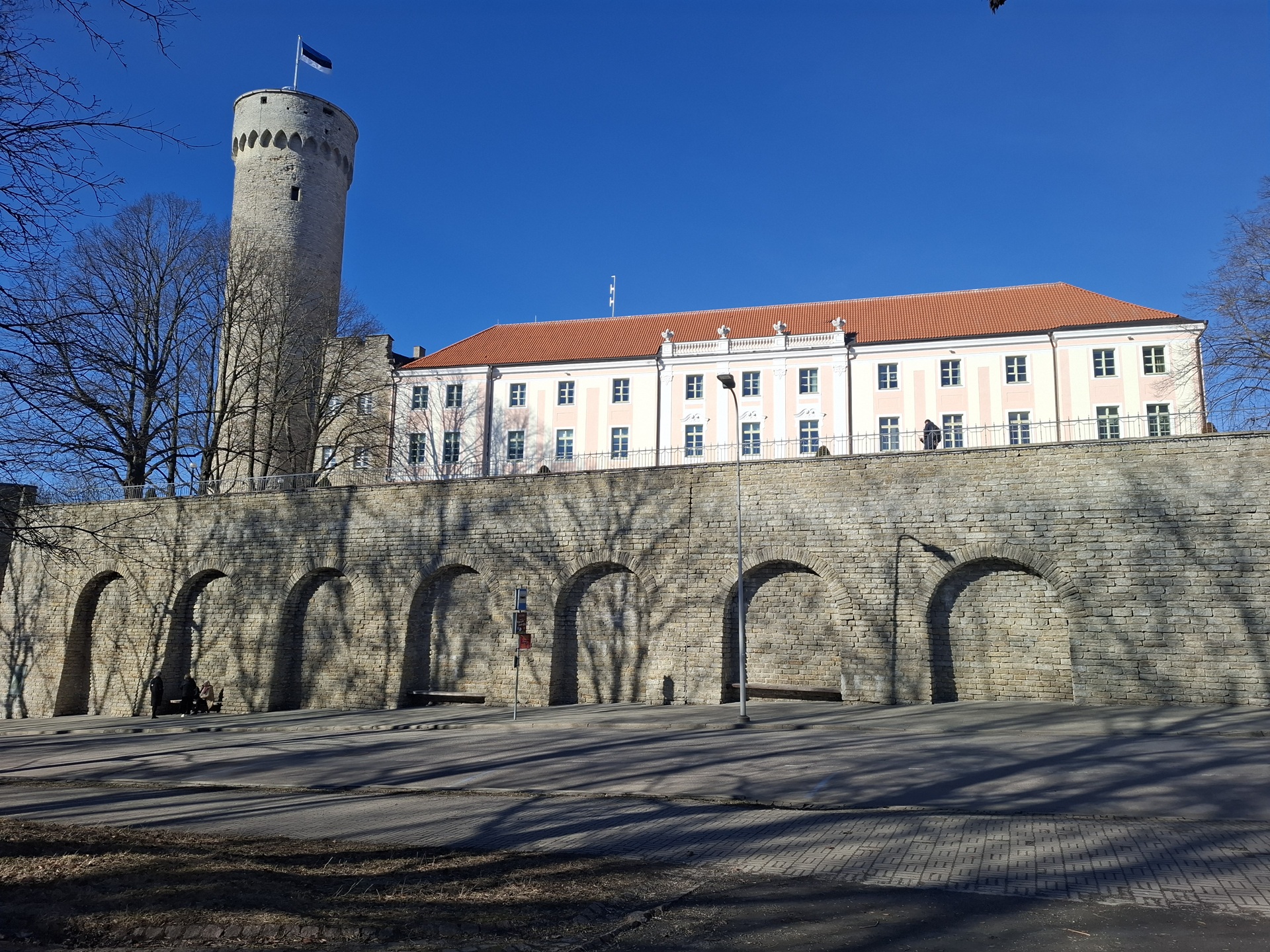
One Day in Tallinn from a Cruise Ship: Medieval Old Town, Creative Districts, Estonian Craft Beer and Local Flavours in One Day

One Day in Tallinn from a Cruise Ship: A Craft Beer and Neighborhood Journey The morning air at…
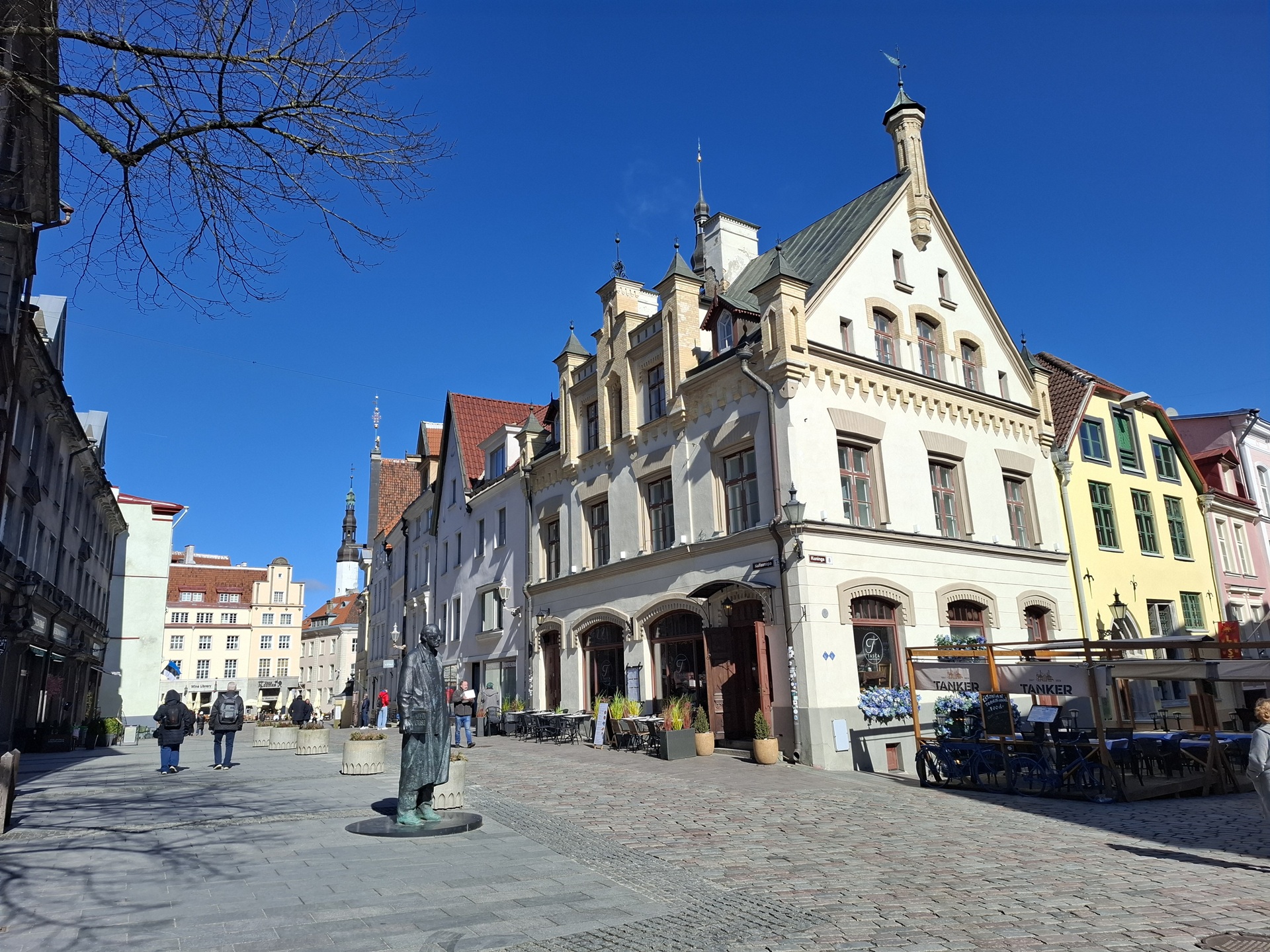
Free Things to Do in Tallinn: Neighborhood Walk Through Old Town, Rotermann and Kadriorg
Exploring Tallinn’s Free Cultural and Craft Beer Life: An Insider’s Neighborhood Guide Step off Viru Street and you…
Step Into the Past: Medieval History and Events in Tallinn’s Old Town
Tallinn Medieval History and Events in Old Town: Why This Area Still Matters Tallinn medieval history and events…
Tallinn Old Town Walking Guide: Main Walking Routes
Tallinn Old Town Walking Guide: How to Plan the Route This Tallinn Old Town walking guide gives you…