




Tallinn Medieval History and Events in Old Town: Why This Area Still Matters
Tallinn medieval history and events in Old Town give you the clearest read on the city fast. If you want Tallinn medieval history and events in Old Town in one visit, this is where to start. The area still works as Tallinn’s main historical stage, and it remains the best place to understand the city. You get landmark architecture, changing street life, and events that still use old spaces naturally. It also works well as a walking friendly area, with most sights close together. In winter, the mood turns quiet and reflective. In summer, the same lanes feel busy and social.
Old Town is compact, so you can cover the core in two or three hours. Add more time if you want museums, churches, or viewpoints. A good route usually begins near the gates and circles upward to Toompea Hill. From there, the medieval pattern becomes easy to read. If you are arriving from outside central Tallinn, see our Tallinn public transport tips. For route planning, the Tallinn Old Town walking guide helps you move through the area efficiently.
How Medieval Tallinn Grew Into Today’s Old Town
Medieval Tallinn grew as a Hanseatic trading city, and the street pattern still shows that history. Merchants needed storage, access, and protection, so the core stayed tight and practical. Town Hall Square became the civic center, while Toompea Hill held power above it. The city walls and towers shaped movement, defense, and identity. That structure still gives Tallinn medieval architecture its strong character. It also explains why the Old Town feels so coherent today.
This is not a staged theme park. It is the living historic center of Tallinn, used every day by residents and visitors. You can walk the whole core in a few hours, but the details reward slower attention. Courtyards, facades, and lane turns show how the city developed over centuries. The best first impression comes from simply following the old street logic.
Why Events in the Old Town Feel Different from Events Elsewhere
Events in Old Town feel rooted in place because the setting already carries history. Concerts, markets, and festivals do not need much decoration here. The square, towers, and narrow streets do most of the work. Many Tallinn cultural events center on Town Hall Square and nearby lanes. Some are free, which makes casual visits easy. That mix of heritage and activity feels very Tallinn.
Old Town festivals and a medieval fair Tallinn gain strength from the backdrop itself. Even small concerts in Old Town feel larger when stone walls frame them. Locals treat these events as part of normal city life, not as separate attractions. That habit helps the area feel active without losing its character. It also means the Old Town can change mood quickly from day to night.
The Best Mindset for Visiting Old Town as a First-Timer
The best visit combines sightseeing with slow wandering. Stop for coffee, pause in a courtyard, and let the route change a little. The Old Town atmosphere rewards people who do not rush. You will notice more of Tallinn local culture that way. Traditional Tallinn feels most honest in those small in between moments. Keep your plan flexible enough for weather or event changes.
Wear comfortable shoes, because the stones and slopes can be tiring. Check event calendars before you go, especially in festival months. Some venues open late, but winter hours can be shorter. That matters if you want a full evening in the area. Locals often pass through the Old Town on the way somewhere else, which keeps it grounded.
Tallinn Old Town History: the Landmarks That Define the Medieval Center
The historic center of Tallinn works because its key landmarks still sit close together. You can see city life, governance, faith, and defense in one compact area. That is why Tallinn Old Town history stays relevant for first time visitors. The place is one of the strongest Tallinn heritage sites in the city. It also offers a clear overview of Estonian history in Tallinn. You do not need special knowledge to understand the main story.
As a Tallinn historical walking tour, the area works best when you move between large landmarks and smaller street details. The big sites explain the city, while the facades and lanes fill in the atmosphere. You will notice medieval Tallinn everywhere once you know what to look for. From squares to towers, each stop adds another piece of the same story. A steady pace helps the history make sense.
Town Hall Square and the Guild-era Heart of the city
Town Hall Square remains the symbolic center of the Old Town. The Tallinn Town Hall anchors the space with civic weight and clear medieval presence. Around it, apothecary style facades line up in a way that still feels orderly and commercial. This was once where trade, rules, and public life met. Today, it still behaves like the city’s shared living room. That makes it one of the most practical places to begin.
The square is especially lively in summer and during winter market season. Public events often spill across the paving stones and into nearby streets. You can stand there and see how old trade space became a social space. The transitions feel natural, not forced. It is one of the clearest examples of Tallinn Town Hall history in daily use.
Toompea Hill, Viewpoints and Power in Medieval Tallinn
Toompea Hill shows the city from the top down, both physically and historically. This was the seat of authority, which is why its position matters so much. The climb is short, but it can feel steep after a long walk. Good footwear helps, especially in winter when the stones can be slippery. The uphill effort pays off quickly. The views explain the city layout better than any map.
The Toompea viewpoints offer a strong sense of scale and control. From above, you can trace the rooftops, walls, and church towers. That makes the historic walking route feel more meaningful. The hill once felt separate from the lower town, but today it is an easy visitor stop. The contrast between ruling power and relaxed sightseeing is part of its charm.
City Walls, Towers and the Defensive Story of Tallinn
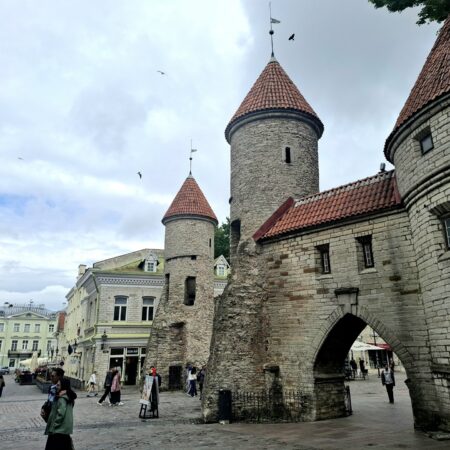
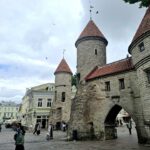
The Tallinn city walls are one of the main reasons the Old Town still feels intact. They remind you that this was once a defended Hanseatic city. Kiek in de Kök gives that defensive story a strong physical anchor. Viru Gate, meanwhile, marks the entrance in a way most visitors notice first. Together, they show how the city balanced trade and protection. That balance shaped the whole medieval core.
Some tower museums require entry fees, and not every wall section stays open all year. That is worth checking before you go. The best preserved sections give a strong sense of the city’s old boundary. Many residents recognise the walls immediately as part of Tallinn’s identity.
A practical Old Town Tallinn Guide: the Best Walking Route and Street by Street Experience
This Old Town Tallinn guide turns history into an easy route. The district works well on foot because the main sights sit close together. A good Tallinn walking tour does not need complicated transport. It only needs a sensible order and enough time to pause. The medieval streets in Tallinn are narrow, but they are easy to read once you begin. Most visitors understand the area better after one simple loop.
As a practical first visit, aim for a route that begins at the gate, crosses the square, and rises toward the hill. Then leave room for a museum or café stop. The best answer to what to see in Tallinn Old Town is not everything at once. It is the right combination of streets, views, and rest breaks. That approach gives the area room to breathe.
Viru Gate to Town Hall Square: the Classic First Walk
Viru Gate is the classic entry point for a first walk. It gives an immediate sense of the old city boundary before you reach the core. From there, the Old Town streets pull you toward the square in a very natural way. The route takes only thirty to forty five minutes if you keep moving. It takes longer if you stop for photos or coffee. That makes it easy to fit into any Tallinn day.
This first stretch explains why the area still feels compact and human scaled. The streets do not spread out in the modern way. Instead, they keep a medieval logic that is easy to follow on foot. If you are using public transport first, read our Tallinn public transport tips. That will help you arrive without stress.
Pikk Street and Rataskaevu Street for Architecture, Cafés and Atmosphere
Pikk Street gives you some of the best preserved fronts in the Old Town. Rataskaevu Street or Saiakang feels more intimate, with cafés and small dining rooms close to the lane. Both streets let history and daily life share the same narrow space. The medieval alleys between them add quick changes in mood and light. You can feel the city become quieter as you move away from the square. That rhythm is part of the appeal.
Lunch usually falls around ten to twenty euros per person. Coffee or pastry stops are often three to six euros. In busy seasons, dinner reservations help a lot. Locals and visitors tend to share these streets in the evening, which keeps the atmosphere lively. The best tables often sit upstairs or by the windows, where you can watch the street below.
How to Combine Walking with Museum Stops and Viewpoint Breaks
A flexible route works better than a rigid checklist when exploring Tallinn Old Town. Instead of trying to see everything, choose one museum, one tower or wall section, and one viewpoint. For example, you might visit Kiek in de Kök Fortifications Museum for medieval history, walk along the historic Hellemann Tower and its connected wall passage, then end the route at Kohtuotsa Viewing Platform for panoramic views over the red rooftops and the Baltic Sea.
Another good option is the Estonian History Museum , Great Guild Hall combined with a climb up Fat Margaret Tower before slowing down at Patkuli Viewing Platform. A route like this gives enough variety without turning the day into a rush. Most visitors find that a relaxed three- to four-hour pace feels more enjoyable than trying to cover every landmark in one afternoon.
In colder or rainy weather, cafés become part of the experience rather than just a stop between sights. Places tucked into old stone buildings around the town squares and side streets offer a natural pause during the walk. The route feels better when you allow time to sit, warm up, and watch the city move around you.
Think of the experience as a balance between movement and pause. That is often how locals enjoy the area too. The best moments in Tallinn Old Town frequently happen between the major attractions. You notice a hidden courtyard, an old merchant doorway, a quiet lane, or a small detail that was never part of the original plan. That flexibility is what makes the historic streets feel alive rather than staged.
Medieval Tallinn Events: What Happens in Old Town Across the Year
Medieval Tallinn events give the Old Town a different energy in every season. The same square can feel festive, quiet, or ceremonial depending on the month. Tallinn cultural events often use the old setting to build atmosphere naturally. That is why the district remains busy after the sightseeing day ends. Old Town festivals work especially well here because the spaces were already made for gathering. The result feels connected to place, not pasted on.
If you are planning around events, the calendar matters as much as the landmarks. Tallinn summer events bring long evenings and outdoor crowds. Tallinn winter events bring lights, markets, and shorter but more intimate visits. Both seasons can be rewarding for different reasons. The important part is matching your expectations to the weather and daylight.
Summer in Old Town: Festivals, Open Air Concerts and Lively Squares
Summer is the busiest and most social season in Tallinn’s Old Town. From June through August, Town Hall Square fills with outdoor cafés, concerts, festivals, and public celebrations that keep the streets lively late into the evening. Hotels and restaurant tables can be difficult to book, but the long daylight hours and energetic atmosphere attract large crowds.
Major summer events include Tallinn Old Town Days, which brings concerts, performances, and cultural events across the medieval streets, and Medieval Days, when the Old Town turns into a historic market with musicians, craftsmen and parades. Street performers and festival visitors add to the lively atmosphere, making summer the most vibrant time to experience Tallinn’s historic center.
Winter in Old Town: Markets, Lights and Quieter Heritage Walks
Winter transforms the Old Town in a striking way. Tallinn Old Town takes on a quieter rhythm, where snow-covered lanes, glowing lanterns, and medieval stone walls create a more intimate atmosphere. During the winter market season, Town Hall Square feels especially inviting against the cold, filled with lights, wooden stalls, and the scent of mulled wine.
One of the highlights of the season is the Tallinn Christmas Market, held in Town Hall Square from late November through early January. Often considered one of Europe’s most charming Christmas markets, it brings concerts, handcrafted gifts, traditional Estonian food, and a large Christmas tree to the heart of the Old Town. Winter visitors can also experience seasonal concerts at medieval churches, open-air ice skating near the historic center, and festive celebrations during New Year’s Eve, when fireworks light up the skyline above the ancient towers.
Snowfall softens the smaller streets and makes the Gothic architecture appear even sharper. In winter, the medieval character of the Old Town often feels at its strongest. Cafés and candlelit restaurants become welcome places to warm up between walks, adding to the slower and calmer pace of the season.
Because daylight hours are short in Estonia during winter, planning your day becomes more important. Indoor stops are useful when strong winds or snow arrive unexpectedly, and some museums and attractions reduce their opening hours during the colder months. Winter in Tallinn is ideal for slower travel, quiet walks, and visitors who enjoy a peaceful atmosphere away from the peak tourist crowds.
Medieval Fairs and Heritage Programming that Make the Old Town Distinct
A medieval fair Tallinn brings the area’s history into public view in a direct way. Historic reenactments, themed markets, and heritage programming keep the district connected to its past. These events are not only for visitors. They also support Tallinn heritage and traditions for local audiences. That makes them feel more rooted than some seasonal attractions elsewhere. The result is a strong sense of continuity.
Because dates change each year, check official listings before you travel. Event calendars are the safest source. Some of the most interesting programs appear as small one off additions rather than headline festivals. That is part of the charm. The Old Town keeps finding new ways to show its old identity.
Tallinn Old Town Culture and Local Life Beyond the Postcard Version
Tallinn local culture is easy to miss if you stay only on the main square. The Old Town has daily routines that are calmer than many European heritage districts. People walk through it on errands, meeting routes, and lunch breaks. That steady use helps preserve the area without freezing it. Tallinn Old Town culture feels lived in, not performed. That difference matters.
Traditional Tallinn shows up in small habits more than grand gestures. Café pauses, market visits, and seasonal routines shape the mood. The result is quiet and orderly, but never empty. You can feel local life moving through the old streets. That gives the area a more realistic pace.
Local Habits that Shape the Old Town Atmosphere
The Old Town atmosphere changes with local routines. Many people stop for coffee, walk between meetings, or use the center as a transit point. That keeps the district active beyond the tourist hours. Venues often stay open late enough for evening visits. In winter, though, hours can be shorter. It is worth checking times before heading out.
What stands out most is the calm rhythm. Compared with some crowded heritage centers, Tallinn feels controlled and clean. That does not mean the district is quiet all day. It simply has a measured pace that locals recognise. You see that rhythm most clearly in the early evening.
From Old Town to Kalamaja and Telliskivi: a Wider Tallinn Context
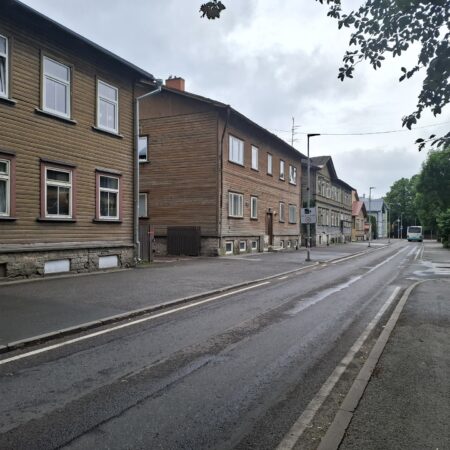
If you want a broader view of Tallinn, continue west from the Old Town into Kalamaja, a relaxed neighborhood known for its wooden houses and local atmosphere. Nearby, Telliskivi Creative City adds a more creative side of the city with cafés, galleries, street art, and design spaces. Both areas are easy to reach on foot, by tram, or with a short taxi ride.
In summer, the neighborhoods become especially lively. Kalamaja Days fills Kalamaja with street performances, pop-up cafés, and local markets, while Telliskivi hosts open-air concerts, film screenings, weekend flea markets, food festivals, and cultural events that often continue late into the evening. Together, they add a modern and creative layer to Tallinn beyond the historic center.
How Tallinn’s Heritage Survives in Everyday Public Space
Tallinn heritage sites stay visible because the city uses them daily. Signs, pedestrian streets, and preserved facades keep the past present. The result is heritage that feels active, not sealed behind barriers. Cultural heritage here works as part of the street plan. Estonian history remains easy to notice without special effort. That is one reason the center is so effective.
The best way to feel this is to step into courtyards and side streets. The crowds thin out quickly there. You see more detail and less noise. Those small spaces often say more than the famous landmarks. They are where history feels most natural.
Where to Eat, Drink and Pause During a Medieval Tallinn day
A full Old Town day works better when you plan a few rest stops. Cafés and taverns help break up the walking route. Town Hall Square also has plenty of easy options nearby. This is where the Old Town Tallinn guide becomes practical, not just historic. You can keep moving without losing momentum.
For most travelers, food stops are part of local Tallinn experiences. They help the day feel less formal. If you want a comfortable table, choose places with upper floor seating or windows. That gives you views while you rest. It also keeps you close to the street life outside.
Cafés, Taverns and Lunch Stops That Suit a Walking Day
Lunch in Tallinn’s Old Town usually costs between ten and twenty euros, while coffee and pastries often range from three to six euros. That makes it easy to plan a simple midday break between sightseeing stops. Many cafés and restaurants also keep service quick and convenient for visitors exploring on foot.
Window seats are especially popular during colder months, offering views of Town Hall Square without staying outside too long. Good lunch spots in the area include III Draakon for traditional soups and pies, and Olde Hansa for a medieval-style meal. For coffee and pastries, many visitors stop at Maiasmokk Cafe or Kehrwieder while exploring the Old Town streets.
Craft Beer and Local Drinks near the Medieval Core
Tallinn’s Old Town is one of the easiest places in Europe to combine sightseeing with craft beer. After walking its medieval streets, beer tasting fits naturally into the rhythm of the day rather than feeling like a separate activity. Estonia’s modern beer culture is strong, and many of its best-known bars are located within a short walk of Town Hall Square.
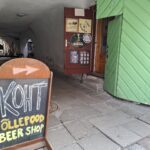
A good starting point is Hell Hunt, often considered one of the country’s first craft beer pubs. It offers a wide selection of Estonian beers on tap, including breweries like Põhjala and Pühaste, in a relaxed, local atmosphere. For something more hidden and experimental, Koht Beer Bar feels like a small beer cellar where the menu changes constantly and focuses on rare craft beers, strong stouts, and sour styles.
If you prefer a more polished Nordic craft experience, Mikkeller Tallinn Old Town brings Danish brewing culture into the medieval center with a curated tap list and modern food pairing. For a more traditional, lively beer hall atmosphere, Beer House serves house-brewed beers and hearty Estonian dishes in a larger, social setting.
Most places get busiest after early evening, especially on weekends, while weekday afternoons are quieter and better for relaxed tasting. Together, these spots show how Tallinn’s Old Town blends history and modern craft beer culture into a single, walkable experience.
When to Choose a Brewpub or a Quieter Local Bar
A brewpub suits people who want a lively stop after sightseeing. A quieter local bar suits people who want to slow down. Small batch brewing has become part of Tallinn’s wider drink culture. Local ale and darker styles often feel right in winter. In summer, terraces make more sense. The right choice depends on the mood of your day.
If you have just finished a festival or concert, a busy venue can extend the energy well. If you have spent hours walking, a softer room feels better. Beer stops work best when they match the pace of the visit. That keeps them part of the experience rather than a detour. It is one more way the city stays practical.
Best Time to Visit Old Town for History, Events and Atmosphere
The best time to visit Old Town Tallinn depends on your priorities. If you want long walks and busy streets, choose warmer months. If you want atmosphere and fewer crowds, winter is often stronger. Both versions support a good Tallinn Old Town walking route. The main difference is how much movement and weather you want to handle. That choice shapes the whole day.
Season also changes what the district feels like. Tallinn summer events bring more people, light, and outdoor energy. Tallinn winter events bring a quieter emotional tone. Old Town festivals can work in either setting. The right season is the one that matches how you like to travel.
Spring and Summer for Active Sightseeing and Festivals
Spring and summer are the easiest seasons for active sightseeing. Long daylight hours make it simple to extend the day. Tallinn viewpoints look especially strong in clear weather. Tallinn summer events also give you more reasons to stay outside longer. The city feels social and animated. That suits first time visitors who want energy.
Hotel demand rises in peak season, so book early. Restaurant reservations help on busy weekends too. The upside is a full day that flows easily from landmark to landmark.
Autumn and Winter for a Quieter, More Atmospheric Visit
Autumn and winter bring fewer crowds and a more reflective mood. The Old Town atmosphere becomes more believable as a medieval setting. Historic walking route plans also feel easier when streets are calmer. Tallinn winter events add warmth against the cold. Some museum hours are shorter, but indoor stops become more valuable. That trade off is often worth it.
Winter works especially well if you enjoy contrast. Snow, stone, and lamplight create strong visual texture. The same streets that felt busy in July can feel almost private in January. For indoor alternatives and seasonal planning, see Tallinn winter activities guide. It can help you make the colder months feel practical.
Best Hours of the Day for Different Kinds of Visitors
Morning is best for quiet streets and easier photos. Late afternoon gives you warm light on stone and rooftops. Evening works well if you want dining or events near Town Hall Square. Viru Gate and the Toompea viewpoints change character at each hour. That is part of the pleasure of staying longer. The same route never feels exactly the same.
Weather and sunset time should shape your route. A cloudy day may reward earlier indoor stops. A clear evening may be better for views and dinner. The flexible approach works best in Tallinn. It lets the city decide the mood with you.
Planning a Memorable Visit: How to Make Tallinn medieval History and Events in Old Town Feel Real
To make Tallinn medieval history and events in Old Town feel real, plan for depth rather than speed. The best visits connect a few major landmarks with some quieter street time. That is why a Tallinn historical walking tour works so well here. You see both the structure and the life around it. The district rewards curiosity more than checking boxes. It is one of the best things to do in medieval Tallinn.
If you want the visit to feel complete, give yourself enough time to notice details. Tallinn Old Town guide articles can help, but the area also rewards instinct. Let the day move between history, food, and event spaces. That balance creates strong Tallinn old town cultural experiences. It also keeps the day from feeling rushed.
A Simple One Day Old Town Plan for First Time Visitors
Start at Viru Gate, then walk toward Town Hall Square. Continue up to Toompea Hill for the views. After that, spend time at Start your walk at Viru Gate and continue into the Old Town toward Town Hall Square, the main medieval center filled with cafés, shops, and historic façades.
For food, you can mix atmosphere with budget-friendly hidden gems. Olde Hansa offers a full medieval dining experience if you want something theatrical and hearty. For a cheap and very popular local option, Kompressor serves oversized pancakes that are both filling and affordable. A quieter hidden gem in the Old Town is Saiakang Kohvik, a small café tucked into a narrow passage, known for simple soups, pastries, and coffee. Another good budget-friendly choice is Vegan Restoran V, offering creative plant-based dishes at reasonable prices in a cozy setting.
From the square, walk uphill to Toompea Hill for panoramic views and nearby landmarks like Alexander Nevsky Cathedral. Then continue along the old city fortifications to Kiek in de Kök and its bastion tunnels for a deeper look into Tallinn’s defensive history.
Finish with a museum stop such as the KGB Museum or another nearby cultural site. The route stays compact, walkable, and works well as a relaxed half-day walk through Tallinn’s highlights.
What to Watch for If You Want Authentic Local Atmosphere
Look for medieval alleys, side streets, and smaller cafés. Those places often show more of Tallinn local culture than the main square. Event posters and local listings can point you toward smaller programs. That is often better than relying only on major tourist sites. Quiet corners give the strongest sense of everyday use. They also help the Old Town feel less scripted.
Curiosity matters more than perfect planning. If a lane looks calm, walk it. If a courtyard is open, step inside. That style of travel usually feels better here. It fits the rhythm of the city.
How to Extend the Visit Without Losing the Medieval Focus
If you want to extend the day, move toward Kalamaja, Telliskivi, or Rotermann. The Kalamaja connection adds a wooden residential layer. Telliskivi nearby culture brings contemporary cafés and galleries. Rotermann district transition shows a cleaner modern edge. These areas are close enough to fit into one broader day. They keep the trip grounded in central Tallinn.
Short tram rides or easy walks make the connections simple. If you want to add one extra neighborhood, start with Kalamaja neighborhood guide. It broadens the visit without breaking the historical flow. That wider context helps Tallinn feel like a real city, not only a preserved center.
Why Tallinn Old Town Works as Both a History Lesson and a Living City Experience
Tallinn Old Town works because it does two things at once. It preserves a rare medieval street layout along with a strong cluster of historic landmarks. At the same time, it remains lively, with markets, concerts, and seasonal festivals bringing constant activity.
This combination makes it appealing both for history enthusiasts and for visitors looking for events and atmosphere. The best visits usually combine relaxed walking, a few viewpoints, and one or two planned stops. You’ll often find the most authentic sense of local culture in the quieter streets and during the shoulder seasons.
Nearby districts like Kalamaja and Telliskivi provide a modern contrast that helps you understand Tallinn as a connected, evolving city. Together, they round out the experience beyond the Old Town alone.
If you’re planning a trip, it’s worth checking the local event calendar, choosing your season thoughtfully, and leaving time to wander without a fixed plan. That approach makes it easier to enjoy historic things to do in Tallinn without feeling rushed. Tallinn is a city worth returning to, as each season reveals a different character of the same historic streets.