




Authentic Craft Beer and Iconic Pints: Exploring the Best Bars in Tallinn Old Town
On summer evenings the cobblestones around Tallinn Old town hold the day’s warmth, and the last light catches the town hall tower while candlelit windows come alive one by one. From somewhere off Pikk Street drifts the smell of hops, and a door swings open long enough for a burst of laughter and the clink of glasses to spill into the alley. Tallinn Old Town can look like a museum in daylight, but by night its beer culture feels very current.
The best bars in Tallinn Old Town are not only places to drink, they are small stages where Estonian beer culturr and medieval stonework share the same frame. Around the square you find big taprooms and historic taverns, and one street away the mood drops to low voices, small-batch beers, and bartenders who remember regulars by name. If you understand how the streets break up into little bar neighborhoods, you can move between lively and quiet corners in a matter of minutes.
By the end of a night here you might have tasted a Põhjala porter poured by someone who helped brew it, sipped an herbal “medieval” ale from a clay mug, and ended up in a small bar where the bartender is gently arguing about which Tanker seasonal fits the weather. This guide walks through those spaces with a local’s eye for timing, atmosphere, and routes, so you can move through Tallinn Old Town nightlife with purpose rather than guesswork.
Mapping Tallinn Old Town’s Bar Neighborhoods: Where Atmospheres Shift by Street
Old Town is compact enough that you can cross it in fifteen minutes, yet the bar atmosphere changes quickly from one block to the next. Around Town Hall Square the energy runs high, tables spill into the square, and beer lists are long and easy to read. Drift toward Rataskaevu Street and the light drops, the music softens, and you start hearing more Estonian than English. Turn toward Viru Street and you are back in a mixed crowd of visitors and locals who treat the area as a familiar transit corridor with taps attached.
Understanding this layout helps you decide what kind of night you want. If you prefer the fullest expression of Tallinn Old Town bar atmosphere, you might start in the square for the spectacle, then retreat to smaller streets for a serious tasting and finish on Viru Street where chains and classic pubs show how local beer culture meets the wider world. None of these walks take more than ten minutes, but the mood shifts feel more dramatic than the distances suggest.
Town Hall Square and its Lively Taproom Hubs
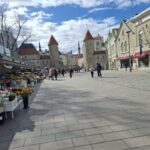
Tallinn Town Hall Square is the natural reference point for almost any night out in Old Town. Once the sun drops, the façades of the town hall and guild houses throw back a soft yellow glow, and by 20:00 the terraces and taprooms around the square are generally full. Locals tend to arrive later, especially on Fridays and Saturdays, so the early evening crowd leans international, then gradually gives way to mixed groups that might include a table of office colleagues and a couple of homebrewers comparing notes.
Among the bars near Town Hall Square, Beer House stands out visually with its faux Bavarian woodwork and long benches. The house brews have a Central European accent, with malty lagers and wheat beers poured into tall branded glasses, usually in the 8 euro to 15 euro range.
Hammerhead, a shorter walk from the center of the square, shifts the focus firmly toward modern craft beer bars in Tallinn Old Town. Expect a tap list where Põhjala and Tanker appear alongside rotating Scandinavian and Central European guests. Tasting flights often sit in the 10 to 15 euro range and are presented with just enough information to be useful without feeling like a classroom. Wooden tables and benches keep the room grounded, and the sound of clinking glasses mixes with a playlist that moves between Estonian indie and familiar international tracks.
Olde Hansa brings a completely different mood to this same square. Step inside and you enter a version of medieval Tallinn built on candlelight, rough timber, and staff in period dress. The beer menu follows the theme, with “honey” or “spiced” brews in clay or hand-painted cups at around 6 to 9 euros a pour. The smell of pinewood, herbs, and roasting meats frames the experience.
Sitting at one of the outdoor tables in summer, you hear the square as much as you hear your own bar. Church bells mark the hour, a busker might lean into an old folk tune, and above it all runs the steady backdrop of many languages in casual conversation. In colder months, terraces pull back and the focus moves indoors, where candlelight and low ceilings tighten the soundscape.
If you are curious about how this social role for beer grew in Estonia, the History of Beer Culture in Estonia gives useful context for what you are tasting here. The square itself can feel like a stage, but behind the performance the beers on the list often come from small breweries only a short drive away.
Viru Street and Beyond: Where Old Meets New in Bar Culture
Head east from the square and you soon find yourself on or near Viru Street, the main spine leading toward Viru Gate and modern Tallinn. Historically this was a route of traders and cart traffic, and that sense of movement remains in the way people flow through its bars. Many visitors first encounter Tallinn Old Town nightlife here, but locals use it as a connector, choosing stops according to where friends are that night or which beer is worth trying.
Viru Lokaal sits directly on this busy corridor and embraces a distinctly local character. The interior leans toward the traditional rather than the polished, with dark wood, familiar pub décor, and a relaxed atmosphere that attracts a mix of regulars, tourists, and late-night crowds. The beer selection focuses on approachable lagers and regional favorites, making it a popular stop for those looking to experience a more straightforward Estonian pub environment. Prices remain accessible, with most pints falling comfortably within the 4 to 7 euro range.
Just a short walk away, Beer & Barrel offers a more modern take on Tallinn’s beer scene. Exposed brick, industrial touches, and rows of taps create an atmosphere geared toward craft beer exploration. The selection regularly features Estonian breweries such as Põhjala and Tanker alongside international imports, giving visitors plenty of opportunities to compare local and global brewing styles. Staff are generally knowledgeable about the tap list and happy to recommend something based on individual tastes, whether that’s a hop-forward IPA, a rich stout, or a crisp pilsner.
Viru Street’s atmosphere changes noticeably throughout the day. Late afternoon often brings office workers stopping for a quick drink before heading home. By early evening, visitors settle in for dinner and a first pint, while weekends see the area grow steadily busier as groups move between bars and restaurants. Music tends to be lively without overwhelming conversation, helping the street maintain its social character long after sunset. Depending on style and strength, beer prices usually range between 5.50 and 9 euros.
During the colder months, when outdoor seating disappears and snow settles across the Old Town, Viru Street’s venues become especially inviting. Warm lighting, wood interiors, and crowded tables create a sense of shelter from the winter air. A walk of roughly seven minutes connects this area back to , and a quick turn down one of the surrounding side streets can transport you from a bustling nightlife corridor to a quiet medieval lane in moments.
For visitors interested in seeing where Tallinn’s historic trading routes now intersect with its contemporary drinking culture, the Viru Street area remains one of the Old Town’s most engaging evening destinations. Between traditional local pubs like Viru Lokaal and craft-focused venues such as Beer & Barrel, the district offers a snapshot of how Tallinn’s beer scene continues to evolve while remaining rooted in its past.
Historic Taverns and Cultural Landmarks: Beer Venues Steeped in Tallinn’s Past
Beer in Tallinn did not start with stainless steel tanks and barrel programs. Old Town’s walls once enclosed merchants, monks, and sailors, all of whom had reasons to sit in taverns that bear some resemblance to the drinking rooms of today. A few modern venues lean into this history quite deliberately, while others simply maintain old beams, stone walls, and quiet corners by habit rather than marketing.
For visitors who value atmosphere at least as much as the contents of their glass, these historic pubs in Tallinn Old Town provide a different kind of best bar experience. Here, candlelight and low ceilings share the stage with well kept taps, and the short walk from Old Town Square, Freedom Square or St. Olaf’s Church becomes a small movement between centuries.
Olde Hansa: A Journey Back to Medieval Brews
Olde Hansa stands just off Raekoja Plats and occupies an imposing medieval building that looks entirely at home among gabled merchants’ houses. The owners have embraced that inheritance fully. Staff move through the rooms in period style clothing, the air smells of beeswax and spice, and every table glows with candle flames set into heavy metal holders. It might sound theatrical, yet the execution feels grounded in genuine affection for the building and its stories.
The bar’s beer menu follows the same line. Instead of standard lagers and IPAs, you see drinks described as herbal, honey based, or spiced in ways meant to suggest medieval recipes. Served in clay or hand-painted cups, these beers carry notes of herbs, honey, and ancient grain that contrast sharply with the clean bitterness of modern craft styles. Prices reflect both the central location and the thematic experience, with most beers falling in the 7 to 9 euro range and 1 liter beer is around 16euros.
National cuisine, anchors the food menu, and pairing a house beer with dishes built around rye bread, smoked meats, and root vegetables creates an experience that feels tied to the city rather than to generic medieval theming. In early evening, tables fill with visitors drawn by curiosity and guidebooks.
The strongest sense of time travel comes as daylight fades and only candlelight and a few carefully placed spotlights remain. The crackle of a wood fire, soft medieval style music, and the gentle scrape of chair legs across old boards build a soundscape with very little modern intrusion. Bartenders often share short stories or legends about how beer was brewed and transported in Hanseatic times, and if you are interested they may connect that to how Estonian beer culture has changed while still retaining echoes of those roots.
Tavern Hopping Along Pikk and Vene Streets: Local Nighttime Rhythms
Leave the square behind and follow Pikk or Vene Street, and Old Town takes on a more introspective mood. These narrow routes once led to the harbor and housed merchants, craftsmen, and small traders. Today, their ground floors hold a mix of shops, galleries, and taverns where locals like to slip away from the brighter lights of Old Town Square. The pubs here tend not to advertise loudly, preferring discreet signs and dim interiors.
Inside, you often find wood paneled rooms with old photographs, heavy tables, and a bar counter polished by time. Some regulars keep sahtel beer lockers, small compartments behind or near the bar where they store personal bottles or glassware. Locals treat these locker systems as quiet badges of long standing loyalty, and they give the rooms a club-like feeling without closing them off to newcomers.
Even on Friday and Saturday nights, the noise level usually stays modest. Acoustic music or low radio sets the background, and conversations unfold in a mixture of Estonian, Russian, and English. Locals in their twenties sit elbow to elbow with older patrons, each group with its own rituals around what to order and when. Simple pub dishes such as sausages, fries, or a slice of dark bread with cheese often accompany pints of familiar Estonian lagers or basic craft selections from breweries like Põhjala and Lehe.
These streets sit within a short walk of landmarks like St. Olaf’s Church, whose tall spire once guided ships into port. From Old Town Square you can expect a five to ten minute walk to most taverns on Pikk or Vene, depending on how often you pause to look up at the architecture. Bars typically open around 17:00 and many keep pouring until 01:00, though energy levels depend heavily on the day. Weeknights can feel almost hushed, which suits those who come here to decompress after work or after a more intense round near the square.
In winter, you may step inside with cheeks stinging from the cold to find a fireplace or small wood stove throwing out a soft heat. The smell of aged wood and old beer barrels mixes with the sharp contrast between outside air and indoor warmth.
Seasonal Rhythms and Festivals: How Tallinn Old Town’s Beer Scene Evolves Throughout the Year
Tallinn Old Town wears the seasons very visibly. In June, light lingers late enough that people finish their second beer before darkness really settles. In January, the same streets might lie under hard packed snow, and the brightest lights belong to bar windows that promise shelter. The beer scene adapts to these shifts through changing menus, different crowd patterns, and festivals that momentarily rearrange the usual order of things.
Planning a visit around these cycles helps you find the Tallinn Old Town nightlife that suits you. Some travelers want terraces and long, bright evenings. Others prefer short walks between candlelit rooms where everyone’s coat hangs on the same overloaded rack. This section looks at how summer, winter, and the shoulder seasons of spring and autumn change the way people drink and gather in the Old Town bars.
Summer Evenings: Outdoor Terraces and Bustling Squares
From late May through the end of September, Tallinn Old Town expands outward in feel and rhythm. Cafés and bars spill onto the streets, setting up terraces where people linger in the long northern daylight, half in the sun, half under the warm spill of indoor lighting as evening settles in. Temperatures often stay comfortable well into late evening, and the main squares can remain busy past midnight on Fridays and Saturdays.
Crowds become larger and more mixed in summer: multi-generational local families, groups of friends passing through on Baltic cruises, and digital nomads closing laptops in favor of a terrace seat. The atmosphere in and around the Old Town Square can feel dense even at lunchtime, with street musicians and performers adding a constant layer of sound. Those who prefer a quieter pace tend to arrive earlier, usually between 11:00 and 12:00.
Live music also shapes the evening circuit beyond the square. Mad Murphy’s Irish Pub draws in steady crowds with live bands and a pub atmosphere that often builds into a lively singalong energy as the night develops. A short walk away, Kennedy’s Bar adds its own rhythm to the area, with live performances that spill into the street and help anchor the surrounding bar-hopping routes.
Beer prices on terraces generally match indoor levels, typically around 6 to 12 euros depending on style, but the setting changes the experience more than the cost. A simple pale ale feels different when you can watch the last light catch the Town Hall roof while you drink it. Moving between venues in summer is easy thanks to dry cobblestones and mild air, and this encourages spontaneous routes that connect the square with nearby bars and music spots.
In the end, summer in Tallinn Old Town is less about a single venue and more about flow,terraces, music, and people drifting between conversations, live sets, and long evening light.
Winter Warmth: Fireplaces, Spiced Beers, and Close-Knit Gatherings
Winter in Tallinn shifts drinking life firmly indoors. By mid afternoon the light already begins to fade, and by early evening the city’s medieval streets glow in patches where bars and restaurants set candles outside their doors. Underfoot, cobbles can be icy, especially near Viru Gate, so locals learn which side of the street offers better footing. Inside the bars, coats pile up, glasses steam briefly as they meet warm air.
Beer menus in winter carry more heft. Spiced stouts, dark ales, and mulled beer variants stand alongside standard taps, especially in places like Hell Hunt and Beer House. Cinnamon, clove, orange peel, and roasted malt scents fill the room, sometimes blending with the smell of food cooked nearby. Specialty seasonal beers typically cost between 6 and 10 euros, a small premium that reflects the extra ingredients and lower batch sizes.
The holiday period around Christmas and New Year’s Eve brings specific events. Bars experiment with limited releases, guest taps, or small tasting evenings where a brewer might appear to talk through their latest oak aged porter. Crowds peak around these dates but midweek evenings in December and January can feel almost private, attractive to digital nomads and local regulars who treat their favorite bar as an extended living room.
Practical considerations matter more in winter. Many people prefer to walk short distances between bars rather than rely on taxis, which can be busy at peak times, or on public transport, which thins out late at night. Shoes with good grip turn a pleasant wander in Tallinn Old town into a relaxed stroll rather than a cautious shuffle. For those who come prepared, winter offers some of the most atmospheric experiences, with amber and red lighting inside bars contrasting sharply with the blue-white tones of snow outside.
Spring and Autumn Festivals: Celebrating Estonia’s Rich Beer Heritage
Spring and autumn act as pivot points between these two extremes. Temperatures sit in the middle range, coats come and go, and Old Town bars adjust their offerings and schedules around festivals that punctuate the calendar. Tallinn Craft Beer Weekend, usually held in early May, stands as the clearest example, drawing breweries and drinkers from across Europe and USA.
The mood across the neighborhood changes accordingly. On festival weekends, Old Town becomes a network of informal routes as people compare notes on which bar is pouring what at that moment. Locals and visitors mix more freely than usual, connected by the shared task of deciding which of many new beers to try before the night ends. Some venues keep doors open longer than usual, and public transport schedules often adjust slightly to handle the increased demand.
Autumn brings smaller, locally focused events as well. Breweries might celebrate harvest ingredients, barrel releases, or anniversaries with themed nights where a handful of related beers appear together. Tasting flights often start around 12 euros and scale upward depending on rarity. Festivals never run the entire season, yet their influence lingers in the way bars talk about Estonian beer culture and in the beers that remain on tap afterward.
Navigating Old Town After Dark: Insider Tips and Curated Bar-Hopping Routes
Once you have a sense of where the bars sit and how the seasons shape them, the remaining question is how to move through Old Town at night without wasting time or energy. Locals learn the city’s rhythms instinctively, arriving at certain streets at specific hours and avoiding others when the mood no longer fits. Visitors can borrow that knowledge and shape their own routes, choosing between quiet corners, lively squares, or a mix of both.
This part of the guide focuses on timing, on where to go for focus versus conversation, and on example routes that suit different kinds of evenings. Walking remains the primary mode of travel in Old Town, both because distances are short and because late night buses seldom pass through the narrowest streets. With a loose plan in mind, you can let the city’s stone alleys and candlelit doorways lead you between some of the best bars in Tallinn Old Town.
Timing Your Visit: When the Bars Come Alive and When to Seek Quiet
Tallinn Old Town’s bar scene starts later than many visitors expect. Most venues open by 17:00, but the first few hours are usually quiet. Bartenders prepare for the evening, taps are checked, glasses polished, and a handful of early diners, hotel guests, or conference attendees drift in for a drink before dinner.
The atmosphere begins to change around 20:00, especially from Tuesday to Thursday. This is when locals and visitors looking for a relaxed evening start arriving. Koht on Lai Street is a favourite among craft beer enthusiasts, while Hell Hunt on Pikk Street offers a comfortable pub atmosphere with a strong selection of Estonian and international beers. At this time of night, both venues feel lively without becoming crowded.
Weeknights are ideal for anyone who prefers conversation over crowds. Between 20:00 and 22:00, many Old Town bars feel comfortably busy rather than packed. Visitors can move between Hell Hunt, Koht, and nearby pubs without struggling to find a table. The atmosphere is social but relaxed, making it easy to enjoy a few drinks and good conversation.
After 23:00 on weekdays, the city begins to slow down. Many bars gradually empty, and by 01:00 only a few regulars remain finishing their final drinks. Some venues, including Valli Baar near Freedom Square often retain a small crowd later into the night thanks to their reputation among locals and long-standing place in Tallinn’s nightlife scene.
Fridays and Saturdays follow a completely different pattern. The bars around Town Hall Square, Viru Street, and Suur-Karja become noticeably busier from around 22:00 onward. By midnight, some venues can feel close to capacity. Locals often begin their evenings with dinner or drinks at home before heading into the Old Town closer to 23:00, creating a sudden surge in activity.
Suur-Karja is one of the busiest nightlife streets in the city. Venues such as Labor Bar and Nimeta Bar attract younger crowds looking for cocktails and a lively atmosphere, while nearby Route 66 offers a classic American-style bar experience with rock music, sports on screen, and a dependable crowd throughout the weekend. The combination of bars, pubs, and clubs keeps the street active well into the early hours.
Visitors looking for a lively weekend atmosphere should focus on the period between 22:00 and 03:00. This is when Tallinn’s Old Town nightlife reaches its peak, with packed bars, busy terraces during summer, and queues forming outside some of the most popular venues.
Those who prefer to avoid the busiest periods have two good options. The first is arriving earlier, around 19:00 or 20:00, when even the popular bars remain relatively calm. The second is exploring some of the smaller streets away from Town Hall Square.
Väike-Karja Street offers several intimate bars and cocktail spots that stay more relaxed than the main tourist routes. Shimo Bar has become a popular stop for visitors looking for cocktails in a more laid-back setting, while other nearby venues attract a mix of locals and tourists without reaching the intensity of the larger weekend hotspots.
Pikk Street remains one of the best choices for beer enthusiasts. In addition to Hell Hunt and Koht, the area attracts visitors looking for a more traditional pub atmosphere away from the busiest party streets. Nearby Hell Hunt bar you can find good rockmusic bar called Levist Väljas or 300 klubi bar.
Public transport becomes less practical as the night progresses, so it is worth planning your route home before the evening gets underway. Fortunately, Tallinn’s compact Old Town means that most bars mentioned here are only a few minutes apart on foot, making it easy to explore several venues in a single evening.
Quiet Corners for Focused Tasting: Where to Escape the Crowd
For many beer enthusiasts, the ideal setting involves a well curated tap list, a stool at the bar, and enough quiet to consider what they are drinking. Old Town has several places that fit this description. Koht and DM bar with a similar profile sit only a few minutes from Old Town Square, but feel psychologically distant from the more tourist heavy areas.
The advantage of these venues lies partly in layout. Rooms tend to be small, with a limited number of seats and few, if any, standing crowds. Lighting stays low, music soft, and conversations mostly table focused rather than shouted across the room. Bartenders know many guests by name and remember what they enjoyed last time, which makes it easier for solo travelers to feel at ease even on a first visit.
Weekday evenings between 17:00 and 21:00 are usually the best time window for true quiet. Around then, the room may hold a handful of people working their way through tasting flights or nursing a single stout. In midwinter, this effect intensifies, as cold streets reduce casual foot traffic and those who do venture out often come with a specific bar in mind. Reservations are rarely necessary, though a quick call or message can help on weekend nights.
A focused tasting session in one of these bars often involves gentle guidance from behind the counter. Mention that you like dark beers, and you might be handed a comparison between Põhjala, Tanker and an imported stout, each poured in smaller glasses and explained briefly. Aromas from open bottles behind the bar and from your own glass blend into a quiet, complex scent that lingers longer than the individual pours.
Bespoke Bar-Hopping Routes: Tailored Itineraries for Every Visitor
Old Town’s compact scale makes bar hopping feel natural, and a few well-planned routes can turn a spontaneous evening into a memorable night out. Whether you are interested in local beer culture, lively social scenes, or relaxed late-night drinks, Tallinn’s historic center offers enough variety to keep every stop within a short walk of the next.
For cultural explorers, Tallinn offers a seamless blend of medieval atmosphere and modern craft beer culture—best experienced on foot through the Old Town in a single evening.
Start your night at Olde Hansa around 18:30, when the candlelit dining rooms feel vibrant but not overcrowded. Pair one of their house-brewed beers with a traditional medieval-inspired dish, and settle into one of the city’s most atmospheric dining experiences, where the setting does as much storytelling as the menu.
From there, make a short walk to Highlander Pub. This stop adds a more rugged, relaxed pub character to the evening—ideal for a quick pint and a shift in mood before continuing deeper into Tallinn’s craft beer scene.
Next, head to Mikkeller Tallinn Old Town, where the contrast becomes sharper. Here, a rotating selection of international and Estonian craft beers showcases a modern, curated approach to brewing, set against the backdrop of the same historic streets you just left.
End the night at Hell Hunt, one of the city’s most respected beer bars. Known for its local brews, unpretentious atmosphere, and hearty food, it’s the kind of place where the evening naturally winds down without losing the energy of Old Town around you.
Those looking for a more energetic night can stay close to the heart of Old Town. Begin your evening around Old Town Square at about 21:00, when terraces start to fill and the atmosphere becomes increasingly lively. Enjoy your first drink at Beer House before heading to Winkel Culture Bar, a popular spot known for its creative atmosphere, cultural events, and relaxed crowd.
From there, continue to The Dubliner, where live sports screenings and an international mix of locals and visitors often create a vibrant setting. As the night progresses, make your way to Valli Bar, one of Tallinn’s most iconic nightlife institutions, known for its distinctive character, legendary shots, and lively late-night atmosphere. With all venues located within walking distance of each other, it’s easy to adapt the route and follow the mood of the evening as Old Town comes alive after dark.
For visitors who prefer a more unconventional side of Tallinn nightlife, begin at Levist Välja. Famous for its eclectic interior and long-standing local reputation, it remains one of the city’s most memorable drinking spots. Spend some time chatting with regulars or sampling a few local beers before heading toward MKM Bar on Pärnu street, where a more contemporary atmosphere and creative drinks offer a different perspective on Tallinn’s nightlife scene. End the evening in one of the quieter pubs along Pikk Street, where exposed wooden beams, low lighting, and a simple Estonian lager provide a welcome contrast to the busier venues elsewhere in Old Town.
Digital nomads and remote workers often adapt these routes to suit a slower pace. Early evenings can be spent in bars that offer comfortable seating and reliable WiFi, transitioning later into more social venues as the city comes alive after 21:00. The compact nature of Old Town makes these transitions effortless, allowing visitors to move between work, dinner, and nightlife without relying on transportation.
What ties all of these routes together is Tallinn Old Town’s walkability. Most destinations are separated by only a few minutes on foot, and every route passes medieval towers, hidden courtyards, and centuries-old streets. Along the way, bartenders frequently act as informal guides, recommending nearby venues and sharing local insights. The result is an evening that feels less like a planned itinerary and more like a gradual exploration of one of Northern Europe’s most atmospheric nightlife districts.
Closing Thoughts: Letting Tallinn Old Town’s Beer Culture Reveal Itself
Late in the evening, when the last large groups have left Old Town Square, some of the quiet that people notice during early morning walks. A few candles still burn in bar windows. Somewhere along streets, a bartender dries glasses in a room that smells faintly of roasted malt and pine from earlier pours. The distance between past and present feels shortest in these moments, when the stones underfoot are the same ones that carried barrels and carts centuries ago, yet the beers passing over the bar show how much has changed.
Exploring the best bars in Tallinn Old Town with a little background knowledge turns the area into more than a backdrop for a night out. Each decision, from choosing a Põhjala flight in a modern taproom to ordering an herbal ale in a medieval tavern, becomes part of a quiet conversation with the city. History and innovation sit only a few minutes apart on the same narrow streets, and moving between them on foot lets you feel how closely they coexist.
The memory that many visitors carry home is not just of a particular beer but of a small, complete scene: a candlelit table, a clay cup or a stemmed glass, the soft cadence of Estonian spoken at the next table, and a bartender’s patient explanation of why this year’s seasonal release tastes slightly different from last year’s. Those details linger longer than any list of venues. If you give Old Town a couple of evenings and let its beer culture reveal itself at its own pace, the city tends to reward the attention.