



How Tallinn’s Cafe Map Actually Works: Old Town, Creative North and Calmer Inner Neighborhoods
Walk from Town Hall Square toward Telliskivi and the rhythm of the city changes quickly. The cobbles fade into wider streets, the souvenir voices recede, and glass warehouses start to show reused brick and studio lights. Tallinn is compact, but coffee follows its own geography. A good cup and a good room depend on choosing the right corner of the city, not just the right brand of beans.
Understanding this geography means separating the postcard core from the creative north and the quieter middle ground around Kadriorg. Old Town is obvious and convenient, but convenience often costs atmosphere. The creative belt that runs from Balti Jaam through Telliskivi into Kalamaja feels more contemporary, industrial bones and younger energy. Rotermann, City Center and Kadriorg sit between these worlds, serving commuters and park-walkers with steadier, less experimental cafes. Knowing this layout saves time and helps any day in the city move more easily.
Old Town Cafes are Convenient, but Convenience is Not the Same as Local
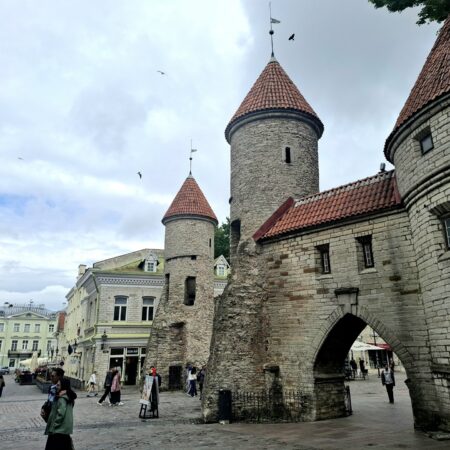
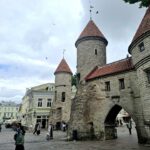
Most visitors begin their café search around Tallinn’s busiest Old Town landmarks: Town Hall Square, Viru Square, and Viru Street. These are the postcard views that appear on souvenirs and travel brochures, and many cafés here benefit from a steady stream of tourists. The coffee is often perfectly good, but the location is usually the main attraction.
Popular stops include Café Maiasmokk on Pikk Street, Estonia’s oldest continuously operating café, and Pierre Chocolaterie beside Town Hall Square, known for its intimate courtyard and old-world atmosphere. Beneath the Town Hall itself, III Draakon attracts visitors with its medieval setting and simple drinks. Along Müürivahe Street, travellers frequently stop at Reval Café, a reliable choice for coffee and pastries. Just a short walk away, Viru Street, Rukis combines a café and bakery with locally inspired pastries and light meals.
Telliskivi and Balti Jaam are Where Coffee Feels More Contemporary
Cross the tracks at Balti Jaama Turg and Tallinn begins to slow down. On the other side of the station, coffee shops spill through courtyards, warehouses, and former factory buildings that now make up Telliskivi Creative City, the city’s creative heart. Industrial brick walls, exposed steel beams, and concrete floors remain from another era, but inside you’ll find warm lighting, long communal tables, and enough houseplants to soften the edges.
This is where Tallinn’s coffee culture feels most at home. At Fika, specialty coffee and Swedish-inspired pastries draw a steady crowd of freelancers, designers, and locals lingering over a second cup. Nearby, Literaat combines a café with a bookstore, creating a space where visitors settle in with coffee, cake, and a newly discovered novel.
Brunch culture has found a natural home here, too. Cafés and bakeries serve generous breakfasts built around fresh bread, pastries, and slow mornings rather than trends. People type away on laptops beneath large factory windows, while others gather for long conversations that stretch well past lunchtime.
Just a few steps away, the market keeps the neighborhood grounded. Inside Balti Jaama Turg, vendors sell seasonal berries, fresh fish, vegetables, and vintage finds, while market cafés offer quick coffee stops between browsing sessions. A slice of cake at Ristikheina Kohvik at Balti Jaama Market or a coffee before exploring the antiques hall feels as much a part of the experience as the shopping itself.
Weekdays this area works beautifully for solo stops; Saturday late mornings fill with groups. The walk between Balti Jaam and Kalamaja is full of small detours into design shops or local breweries. Expect €3.50–5.50 for a flat white or filter, €9–16 for brunch plates. This is contemporary coffee culture: creative but unhurried, less formal than anything inside the walls. Music stays in the background, staff move easily, and the air smells equal parts espresso, baking, and market grill smoke. It feels like modern coffee culture in Tallinn without self-consciousness.
The neighborhood connects directly to creative nightlife too, see Telliskivi and Kalamaja nightlife guide, but by day, coffee sets the tempo. The fifteen-minute walk from Old Town feels shorter in good weather and rewards anyone tired of souvenir streets. More than any other area, Telliskivi proves why local context makes these cafes in Tallinn feel current.
Kadriorg, Rotermann and City Center are the Practical Middle Ground
Between Tallinn’s Old Town and the harbor, Rotermann offers some of the city’s most dependable coffee stops. The renovated warehouse district is home to cafés such as Reval Café, Caffeine, and RØST Bakery, where office workers and visitors gather for quality coffee, pastries, and a quiet break. The area feels busiest at lunchtime, but afternoons are often calm enough for reading or remote work.
Kadriorg has a slower, greener atmosphere. A short tram ride from the center, the neighborhood is known for cafés like Gourmet Coffee Kadriorg, and Katharinenthal Café. Surrounded by parks, historic villas, and museums, it’s an ideal place for a relaxed breakfast or coffee before a walk through Kadriorg Park. Expect coffee prices similar to the city center, usually around €3–5.
Closer to the center, hides several practical local favorites, including Reval Café near Freedom Square and Gustav Cafe in Viru shopping mall. These aren’t major tourist attractions, but they provide reliable coffee, Wi-Fi, and comfortable seating when you need a quiet spot between meetings, shopping, or sightseeing.
Where to Go for Coffee if You Want Tallinn to Feel Local Rather Than Staged
A short tram ride or fifteen‑minute walk north or south of the center changes the experience more than any interior design choice. The cafes in Tallinn most used by residents live inside ordinary neighborhoods: the newer harbor side of Noblessner, or the family walks of Kadriorg. These areas show the daily kohvik habit without any performance.
Kalamaja Feel Like Everyday Tallinn, Not a Visitor Set
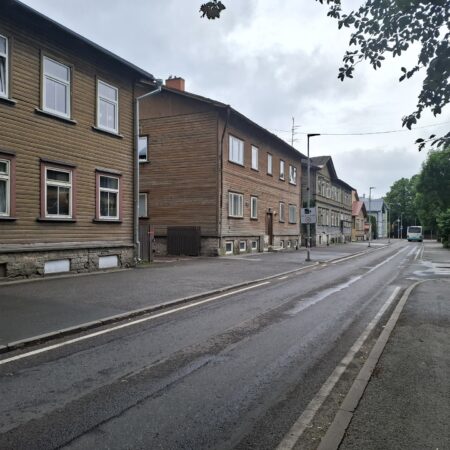
Kalamaja wakes up slowly. By eight or nine on a weekday, the smell of pastry sits in the cool air along Telliskivi and Kopli streets. Cafes like Ristikheina cafe in Balti Jaam serve their locals more than travelers, coffee taken with breakfast plates and short conversations. The facades here are wooden, the plots small, the air quieter. It’s the Tallinn equivalent of a neighborhood living room.
The scale is small, the mornings unhurried. People read papers or work a little on laptops; nobody rushes. Expect regular city prices, coffee and something sweet under €10–12 and count on Wi‑Fi in most spots. These areas reward a 45–90‑minute linger, especially if you plan to walk toward Balti Jaam afterward. The calm is part of the experience, helped by filtered light through small front windows and muffled street noise. For route planning and other context, open our Tallinn neighborhoods guide or the Tallinn breakfast and brunch guide.
Noblessner and Põhja-Tallinn Fit a Slower Harbor-Side Coffee Mood
Northwest from the Old Town walls, Noblessner spreads along the water with broad views and fewer people. The wind can sharpen even on mild days, but inside, the cafes feel open and bright rather than cozy. Walk the fifteen to twenty minutes from the Seaplane Harbour and you’ll meet wide glass fronts, modern furniture, and music low enough to hear cups on saucers. Weekdays are quiet here, weekends busier with families and walkers.
Põhja‑Tallinn as a whole favors space over density. Kopli Street stretches long enough that each stop feels distinct: a coffee before the harbour museum, maybe another before the tram back. Prices hover around €3–5 for drinks. Plan the outing, it’s less about spontaneous caffeine and more about the rhythm of the walk along the water. The design‑forward interiors scent of beans and sea air make a pleasant contrast after the compact center.
Old-school Tallinn Cafe Culture Still Matters
The older word cafe once meant more than a coffee counter: a room meant to sit, eat cake, and talk. A few such places still shape everyday expectations of what a cafe should feel like. Cafe Maiasmokk on Pikk Street has been doing this since the eighteenth century. You sit under mirrors and chandeliers rather than next to power sockets. Coffee comes in porcelain, cake on plates. Nearby, Pierre Chocolaterie offers similar rhythm, mixing chocolate aroma with the quiet formality of a salon. These spaces suit mid‑morning or mid‑afternoon better than peak lunch hours.
The cost is modest, €4–7 for pastry, coffee on top, but the value sits in time. Locals still drop in for a piece of cake or a spoon of another dessert, reading news instead of emails. The atmosphere carries butter and sugar in the air and low talk between regulars. For understanding how this fits Estonia’s wider eating habits, see our Tallinn food culture guide. The tradition slows the city down just long enough to matter.
Specialty Coffee in: Where the City Takes Espresso Seriously
Tallinn’s specialty coffee community is small but steady, woven through mixed‑use districts rather than concentrated in a single zone. Telliskivi and Rotermann carry the bulk of it; a few independents share space with brunch kitchens and bookstores. The audience isn’t niche anymore, flat whites compete with regular cappuccinos on most blackboards, but care in extraction still marks the difference between a good cup and an average one.
Telliskivi and Rotermann are the Easiest Places to Find Better Espresso
In Telliskivi, technical coffee shares tables with market shoppers and creative workers. A morning espresso at F‑Hoone or a filter at Literaat can give both precision and people‑watching. Rotermann does the same job for the center: light through glass, baristas focused but unpretentious. You can walk between these two hubs in less than fifteen minutes and taste how each treats the bean differently yet with equal intention. Prices fall between €4.20 and €6.50 for the specialty range.
The best experience comes when the space is busy enough to test consistency but not yet noisy. Early weekday hours work well. A flat white or filter reveals more about skill than a syruped latte. Both areas mix focus with ease, steam, grinder noise, and daylight blend into a steady background. The professionalism feels natural, not staged, and ties closely to Tallinn’s habit of using these venues for meetings and reading as much as for caffeine.
How to Order in Tallinn Without Sounding Overfussy
Coffee here runs on relaxed rhythm. An espresso, americano, flat white, or cappuccino covers most orders without confusion. Filter coffee usually signals a specialty setup, though not every cafe offers it. The milk question, light or dark roast balance, rarely needs long debate. People treat coffee as a pause, not a performance. By visiting 08:30–11:00 on weekdays you meet baristas before rush peaks, and a simple order often draws the most attention to detail. Tips are minimal, usually rounding up the change.
Brunch hours can distract even careful baristas; if your goal is coffee over food, go earlier. Tallinn coffee culture values calm enjoyment more than rapid takeaway. The sound of the grinder, the short wait, and the easy conversation at the till describe it best. For broader eating insights, see our Tallinn food culture guide or cross‑reference with the Tallinn neighborhoods guide to map stopovers as you explore.
Chains are Useful When You Need Reliability, Not Character
Caffeine, R Kiosk and Reval Cafe cover the city’s tram corridors and shopping zones. They open early, close late, and provide standard cappuccinos for around €3.50–5.50. No one expects character; predictability is the point. For travellers catching a tram from Viru or finishing errands along Narva or Tartu street, these places solve problems of time more than taste. A ten‑minute refuel, clean tables, quick service, done.
Locals use them in precisely the same way. When independents are closed or crowded, a chain keeps the day moving. The interiors lean functional, lighting bright, turnover high. They’re a backup plan, not a mistake. Tourists heading to the next museum already benefit by knowing they exist. Old Town has a few convenient ones, detailed in our Tallinn Old Town guide; winter visitors will appreciate them as safe morning options while exploring things to do in Tallinn in winter.
The Best Tallinn Cafes for Breakfast, Brunch and a Slow Morning
Morning defines local rhythm better than nightlife does. Tallinn wakes gradually: early risers in Kadriorg, nine o’clock laptop crowd in Telliskivi, tourist groups trickling into Old Town by ten. A good breakfast stop connects these worlds. Coffee may anchor it, but eggs, black bread, and pastry give reason to stay longer.
Brunch in Telliskivi and the Center Fills Later Than You Might Expect
Weekend brunch here begins late. Between 10:30 and 13:30 on Saturdays, the creative district hums, a mix of locals and travellers, children and students. Tables at F‑Hoone or Literaat fill before noon; the air carries plate clatter and talk. Break the rule by coming right at opening or after two o’clock and you’ll find calm again. Meals fall in the €8–16 range, coffee raises that total comfortably to €20 if you eat freely.
Telliskivi’s light and space make this kind of slow start feel natural, while the Town Hall Square area holds smaller cafes where brunch is mostly a side menu. Weekdays feel calmer, helpful for anyone planning or reading rather than socialising. These places are made for lingering, not efficiency. For extended descriptions of breakfast scenes, read the Tallinn breakfast and brunch guide or pair the visit with sights mentioned in our Telliskivi and Kalamaja nightlife guide.
Old Town Cake-and-Coffee Stops Work Best Between Sightseeing Blocks
In the historic center, breakfast tends to mean cake and coffee rather than big plates. A pause at Cafe Maiasmokk or Pierre Chocolaterie fits neatly between Pikk Street and Toompea climbs. By mid‑morning, the tourist flow thickens, so early arrival gives the best seat. Here formality replaces lounge atmosphere, china, pastry cabinets, soft background conversation. Prices run about €7–12 for drink and dessert. On winter afternoons, steam collects on windows, turning these rooms into quiet shelters while rain slicks the stones outside.
The trick is to treat this as a reset, not a meal. Thirty or forty minutes around mid‑walk feels ideal. Locals still use these addresses for ritual afternoon cake on short days, giving a sense of continuity that newer places often try to imitate. Check Tallinn food culture guide for the pastries behind the tradition.
For a Slower Morning, Look to Neighborhoods Where People Actually Live
To feel Tallinn rather than observe it, spend the morning in Kalamaja or Kadriorg. Both areas show what residential cafes can do with time and light. Weekday mornings give the best calm: quiet corners, Wi‑Fi, breakfast at your own pace. Weekends stay manageable if you arrive early. Plan sixty to ninety minutes, and bring something to read. Coffee, pastry, and comfort together rarely cost more than €15.
In summer, terraces open to bird noise and slow traffic; in winter, the same rooms turn into small havens with coats draped on chairs. These are the places where slow mornings become habit instead of leisure. The Tallinn neighborhoods guide maps walking links between them, and things to do in Tallinn in winter adds cold‑weather pairings nearby.
Tallinn Cafes for Remote Work, Reading and Lingering Without Feeling Rushed
Many visitors look for remote work cafes in Tallinn, but not every counter that promises Wi‑Fi supports hours of typing. Room size, socket access, and the patience of staff all matter. The best environments grow from neighborhoods where locals already stay longer, Telliskivi, Rotermann, and some corners of Kadriorg, rather than from tourist routes.
The Most Workable Laptop Cafes are Usually in Mixed-Use Central Districts
Telliskivi, Rotermann, and City Center balance power outlets with atmosphere. Literaat offers both books and bandwidth; F‑Hoone keeps space generous enough to type unnoticed. Chains like Caffeine fill gaps near tram lines and bus stops; they may lack style but tolerate laptops easily. A good window for focus runs from eight to eleven on weekdays, before lunch tables turn over. Drink, bring a small snack order, and nobody hurries you.
Lighting stays bright enough for screens, noise moderate, steam wands, keyboard taps, quiet phone calls. A solid workspace feels ordinary, not curated. For orientation between meetings or museums, open the Tallinn neighborhoods guide or check our Tallinn Old Town guide to combine errands efficiently.
Quiet Cafes are More About Timing Than a Magic Address
Every district has calm hours if you catch them early. Old Town’s stillness before ten, Kadriorg’s park‑side pauses, all make laptops or books welcome for an hour or two. By lunch, most fill. Rain drives people inside and breaks the silence faster than any playlist. A quiet cafe in Tallinn depends on Tuesday more than on name.
Coffee etiquette helps: buy another drink every hour, watch for lunchtime signals, adjust to crowd rhythm. Muted rooms with fewer tables give the impression of slowness even when busy. The soundscape becomes soft conversations and dishes, not music. On cold, short days it’s the city’s default comfort. Suggestions for seasonal pairing appear in things to do in Tallinn in winter and the Tallinn breakfast and brunch guide for flexible daylight use.
What to Expect on Wi-Fi, Sockets, and Lingering etiquette
Wi‑Fi is common but not universal. Smaller heritage rooms may skip it in favor of atmosphere. Power outlets cluster along walls or by communal tables in larger modern spaces, Telliskivi Creative City and Rotermanni being reliable examples. Order food if you stay through lunch; it transforms your presence from camper to customer. If the crowd thickens, closing the laptop and finishing quietly is seen as courtesy, not defeat.
Locals seldom negotiate for hours; they sense the room. A polite question before plugging in earns goodwill. Most cafes prefer natural rhythm: cups refilled, work cycles short. You rarely need to fear being rushed, but equally, the room remains a business. Respect it and Tallinn’s cafe network works smoothly for reading or digital nomads alike. Broader behavioral notes connect to dining customs discussed in our Tallinn food culture guide and if the day continues beyond coffee, the best bars in Tallinn feature nearby evening options.
How Much Cafes in Tallinn Cost, When They Actually Open and What Changes by Season
Price, timing, and weather shape experience more than reputation does. A good plan considers when the door opens, what crowds do mid‑day, and how the air feels outside. Tallinn’s charm lies in its manageability: once you read these rhythms, any district delivers a solid cafe day.
Tallinn Cafe Prices are Moderate, But Location Changes the Value Equation
Coffee in Tallinn rarely feels expensive, yet the street can double the bill. Town Hall Square and Viru spikes illustrate the location surcharge: same beans, higher rent. Telliskivi and Kadriorg balance cost with comfort, offering space and community at roughly €2.50–5.50 a cup, pastries €3–7, brunch €8–16. The combined coffee‑and‑food sit‑down averages €12–22 per person. The better the neighborhood ambience, the fairer the price feels.
Locals measure value in feeling, not only euros: a sunny table in Kadriorg or a narrow seat with heritage scent in Old town at Maiasmokk, each can justify its tag. Read more background about how food pricing works in Tallinn food culture guide or contrast Old Town expectations through the Tallinn Old Town guide.
Opening Times Matter More than Most Visitors Think
The first coffee at 08:30–10:30 targets calm service before rush. Caffeine and R kiosk even open around 07.00 – 08.00. Many independent cafes skip early openings, especially on Mondays or mid‑winter, which makes chains practical placeholders. Lunch hours (12:00–14:00) change any atmosphere, regardless of design or playlist. Telliskivi and Balti Jaam prove busiest on weekends about midday; Kadriorg stays steady until late afternoon. Checking hours briefly before walking saves dead minutes in the cold.
Sunday mornings often regain stillness after Saturday’s brunch surge. A cafe’s usefulness attaches to the hour more than to its official time on the website. Guides on seasonal and weekday balance sit within things to do in Tallinn in winter and the Tallinn breakfast and brunch guide.
Winter and Summer Change the Cafe Experience More Than the Menu Does
Winter squeezes light, lengthens visits. People linger indoors, coats steaming by radiators, hands around mugs. Soup and cake reappear, terraces close, and Old Town feels warmer than it looks. In summer you might cross half the city on foot from Telliskivi to Kadriorg, stopping every twenty minutes at open terraces. Same menus, different logic: air instead of heat, movement instead of shelter.
Harbor districts like Noblessner can turn windy away from the warm months, best enjoyed from inside glass fronts rather than decks. For winter, pick rooms with space to unlayer; for summer, string smaller cafes along your route. These seasonal responses matter more than the calendar of events. Autumn and spring offer the quiet middle, less crowd, enough daylight. Our winter guide and Tallinn neighborhoods guide outline matching walks for each condition.
A simple Way to Choose the Right Cafe in Tallinn for Your Day
Every corner of the city holds its own logic. The walk from Old Town walls to Balti Jaam, the tram to Kadriorg Park, the short detour into Rotermann, each suggests what kind of coffee stop fits the route. Choosing by purpose, not prestige, untangles the options fast.
If You Want Local Atmosphere, Head just Beyond the Obvious Center
Start with Kalamaja or Telliskivi before trusting the first Old Town doorway. These streets show local cafes in Tallinn used by residents daily. The walk from the center takes ten to twenty minutes through markets and side lanes, and the reward is a table without rush. Coffee prices often drop slightly, but the better value lies in space and authentic rhythm. Neighborhood noise replaces tour chatter, and service finds its own pace. For map context, open our Tallinn neighborhoods guide or confirm food pairings through the Tallinn food culture guide.
If You Want the Best Coffee, Use Telliskivi or Rotermann as Your Starting Point
Quality clusters where foot traffic supports it: Telliskivi for craft warmth, Rotermann for central precision. Both deliver good espresso without effort and show how third wave techniques have folded naturally into daily life. Old Town’s quality jumps more between addresses, so chasing beans rather than locations pays off. Visit mid‑morning for technical care before queues build; stay forty minutes for tasting focus.
The scent of fresh grind, the low industrial sound, and sunlight through large panes make these zones the easiest entry to third wave coffee in Tallinn. Follow the culture links within best taprooms in Tallinn or plan brunch after caffeine via our Tallinn breakfast and brunch guide.
If You Want a Slow Stop, Choose the Neighborhood that Fits the Rest of Route
Old Town serves as the pause between towers and alleys. Kadriorg complements the park and art museums. Noblessner connects with the harbour walk toward the Seaplane Harbour. Balti Jaam and Telliskivi handle transitions between markets and creative blocks. Selecting the cafe that shortens your next step usually improves the day more than chasing anyone’s ranking. Tallinn’s scale means a fifteen‑minute adjustment can shape comfort for hours.
The best stop feels like part of movement: a natural break rather than a separate plan. Routes centred around Town Hall Square or Kadriorg Park gain balance this way, something our Tallinn Old Town guide and winter activities list both demonstrate in practice.
What This Map of Coffee Reveals About Tallinn
Most memorable coffee moments here rarely make lists. They happen at small tables on Pikk Street after cold rain, or in Kalamaja when morning light slides through wooden frames, or at a Telliskivi counter before the brunch crowd builds. None require effort, only timing and place.
Tallinn rewards anyone who lets geography and purpose decide the cafe rather than algorithms. Understand where you stand, Old Town for convenience, creative north for life, Kadriorg for calm and the rest arranges itself. The city stays small enough to turn each cup into part of the route, not an interruption. When you learn to move through its cafes in Tallinn this way, the walk between them becomes the real pleasure.