






Tallinn Old Town Walking Guide: How to Plan the Route
This Tallinn Old Town walking guide gives you a simple route through the city’s medieval center. It works well for first-time visitors because the path feels clear, compact, and full of context. You can do it fast in about two hours, or stretch it into a full day with coffee, lunch, and viewpoints. The medieval atmosphere stays strong the whole way, but the walk never feels frozen in time. You also get an easy link toward Kalamaja or Telliskivi if you want a fuller city day.
The route is best treated as a self guided walk, not a rigid tour. Think of it as a Tallinn Old Town itinerary with room to pause, detour, and linger. A good route map is easy to imagine here, because the Old Town loops naturally between gates, squares, and hilltop streets. The best time to walk depends on your pace, but mornings are calmer and evenings feel softer. If you want a wider Tallinn travel guide experience, this walk fits neatly into one day.
Where to Start Your Self-Guided Walk
Start at Viru Gate if you want an easy, obvious entry point. It sits close to the edge of the Old Town, so navigation stays simple from the first step. Town Hall Square is another smart starting point, especially if you want a stronger first impression. Both places are easy to reach on foot from central hotels, and trams and buses connect nearby streets well. If you need help getting there, see our Tallinn public transport tips.
This is the moment where Tallinn shifts from modern street rhythm into narrower medieval lanes. If you are arriving from the newer center, the route can also begin with a detour through the Rotermann Quarter walking guide. That makes the transition feel gradual, which suits a first visit. It also frames the Old Town as part of a living city, not a separate stage set.
How Long the Walk Takes
For Tallinn Old Town in 2 hours, keep to the main arc. You can see Viru Gate, Town Hall Square, and a quick climb to Toompea hill without rushing too hard. A half day gives you room for side streets, a coffee stop, and one or two viewpoints. A Tallinn Old Town one day itinerary adds lunch, slower photos, and time to sit down between climbs. Expect more time if you like churches, museums, or long breaks.
The route feels compact, but the stairs add effort. Lühike Jalg and other slopes can slow you down, especially after rain. Locals often treat Old Town as a lived in district, not a museum trail. They move through it for errands, coffee, and meetings, then continue on with the day. That is why pacing matters more than distance.
Best Time of Day and Season
Morning gives the clearest light and the least crowd pressure. Afternoon works well if you want cafés open and a bit more street energy. A Tallinn Old Town evening walk brings warm light across the rooftops and a calmer tempo. In winter, the walk feels quieter and more compact, but cobbles can be slippery. In summer, the longer light makes it easier to pause often and still finish comfortably.
Seasonal Tallinn changes the whole mood of the route. Early morning can feel almost private, especially before shopfronts fully wake up. Sunset often brings the best atmosphere for photos and slow walking. If you plan a winter visit, dress for wind and short daylight. For a summer visit, aim for late afternoon when the heat softens and the streets breathe easier.
Start at Viru Gate and the Medieval Edge of the City
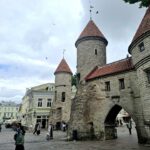
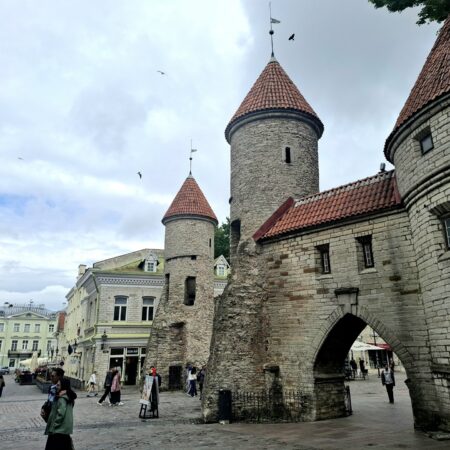
Viru Gate sets the tone for any Tallinn Old Town walking guide. The towers mark a clear threshold, and the old city walls make the transition feel immediate. Once you pass through, cobblestone streets, old merchant houses, and narrow fronts replace the newer city grid. It is one of the most recognizable Tallinn landmarks, and it works well for a first stop. The Old Town sightseeing experience begins here without any confusion.
From this edge, the historic center feels compact and walkable. You can follow the main stream first, then peel away into Tallinn Old Town hidden streets. That pattern keeps the route easy to follow while still leaving space for surprise. It also gives you a strong sense of scale, because the walls, lanes, and rooftops sit close together.
Viru Gate and the Old City Walls
Viru Gate gives one of the clearest visual transitions in the city. The towers frame the entrance, and the medieval city walls create a strong photo angle beside them. It is a free stop, so you can linger without planning around tickets. The best time is early in the day, before midday foot traffic thickens.
The gate still feels like a threshold between everyday Tallinn and the preserved old core. Locals pass through quickly, but visitors often slow down right here. That difference says a lot about how the city uses the space. It stays practical, even while it feels historic. That balance is part of what makes the entrance memorable.
Hidden Lanes Off the Main Path
After the gate, slow down and look for smaller turns. Vene Street and Rataskaevu Street both reward a quieter pace. Their paving can be uneven, so shorter steps help more than speed. These lanes keep the route interesting without adding much distance. They are part of what makes the Old Town feel walkable on foot.
The real value here is the lived in detail. Windows, doorways, and side passages often feel more authentic than the main stream of traffic. You get a better sense of daily life in the historic center. This is where a Tallinn Old Town hidden streets mindset helps.
First Coffee or Snack Stop
Before climbing uphill, make time for coffee and a light pastry. Local cafes near the entrance usually keep prices around €3 to €6 for coffee and something sweet. That is a sensible pause, especially if you started early. It also helps you avoid rushing the first half of the route. Tallinn locals often treat a coffee and stroll as part of the morning rhythm.
This stop works best when it feels casual, not scheduled. Sit long enough to check the weather, map the next climb, and reset your pace. A small breakfast here also softens the hill ahead. It is a practical way to keep the walk enjoyable. After that, you can move toward Toompea with more energy.
Town Hall Square and the Core of Tallinn Old Town
Town Hall Square sits at the center of nearly every Tallinn city walk. It is the easiest place to understand what to see in Tallinn Old Town, because the square gathers history, movement, and architecture in one open space. Old merchant houses frame the edges, and the entire area works as a visual anchor. You can stand here for a while without spending anything, which helps the route breathe. It is the heart of the Tallinn Old Town sightseeing route for a reason.
Morning feels slow and clear here, while evening brings more tables, lights, and conversation. The square also shows Tallinn Old Town architecture highlights in a very direct way. Facades, rooflines, and stone details all sit close together. If you want a wider sense of the evening scene, our Tallinn nightlife guide adds useful context.
Why Town Hall Square Matters
Town Hall Square matters because it gives the route a center. It is where people naturally stop, orient themselves, and decide where to turn next. The old merchant houses around it show the wealth and organization of historic Tallinn. You do not need a ticket to enjoy the square, which makes it flexible. Nearby cafés and restaurants are often pricier than side streets, so it helps to compare before sitting down.
The square changes character through the day. In the morning, it feels open and calm. By evening, it becomes livelier and more social. That shift gives the area real life, instead of just postcard value. It is one of the clearest examples of the Old Town as a living place.
Best Nearby Streets to Explore on Foot
Where to Pause for a Meal or Drink
Lunch near the square usually costs about €10 to €20, depending on where you sit. If you want a relaxed beer, expect €6 to €8 for a local pour. A small beer bar or brewpub can fit easily into the route without changing the pace. Estonian beer often means a session ale, porter, or dark lager, with clean tasting notes.
This is the right part of the walk for a subtle social stop. You are close enough to keep moving, but you can still settle in for a while. A pint here feels like part of the city walk, not an interruption. That is especially true if you are using this as a Tallinn Old Town itinerary for one day. Keep it local, unhurried, and practical.
Climb Toompea Hill for Viewpoints and Landmarks
Toompea Hill is the high point of any Tallinn Old Town walking guide. The climb adds a little effort, but it pays off with broad Tallinn viewpoints and a stronger sense of the city’s shape. From above, the UNESCO Old Town feels compact, textured, and easy to read. The route also gains emotional weight here, because the hill carries political and historical importance. If you are choosing a best walking route in Tallinn Old Town, this climb belongs on it.
The hill works in all seasons, though conditions vary. In winter, the climb can feel icy and slow, so check local advice before you go.
Patkuli and Kohtuotsa Viewpoints
If you are exploring Tallinn, make sure to climb Toompea Hill and visit two of the city’s best viewpoints: the Patkuli Viewing Platform and the Kohtuotsa Viewing Platform.
Patkuli Viewing Platform is famous for its classic postcard view. From here, you can see Tallinn’s red-roofed Old Town, medieval church towers, and the city walls stretching toward the sea. It’s one of the most photographed spots in the city and especially beautiful in the early morning or at sunset when the light makes the rooftops glow.
A short walk away, Kohtuotsa Viewing Platform offers a different but equally impressive angle. This viewpoint shows how the historic Old Town connects with the modern city beyond it, giving you a full sense of Tallinn’s character, old, new, and everything in between.
Both viewpoints are free to visit and easy to reach from the Old Town streets. They are perfect for a relaxing break, taking photos, or simply enjoying the view over one of Europe’s best-preserved medieval cities.
The Climb up Lühike Jalg
Lühike Jalg is short, but it stays memorable. The incline rises quickly toward Toompea Hill, so the climb feels more dramatic than the distance suggests. It can be slippery after rain or snow, which makes sturdy shoes useful. As you move upward, the city profile opens behind you. That change in perspective is a key part of the route.
This is the moment when Tallinn starts to spread below your feet. The rooftops, towers, and streets feel closer together from above. It is a good place to slow down and take a breath. The walk becomes more layered here, not just more elevated. That is why the climb matters beyond its physical effort.
Alexander Nevsky Cathedral, Parliament and Nearby Viewpoints
The hilltop streets move at a gentler pace than the lower core. That calm makes the cathedral feel even more imposing. The contrast between grand architecture and quiet movement is part of its appeal. It is also one of the strongest Tallinn landmarks on the route. Few places give you this much visual payoff in so little walking time.
Danish King’s Garden and Calm Pocket Spaces
Danish King’s Garden offers a softer pause after the steeper sections. It is a good place to rest, sit briefly, and take photos in good weather. The garden also keeps the medieval atmosphere intact without overwhelming you with detail. That makes it useful for travelers who prefer a slower walking rhythm. It is a calm pocket in a route that can otherwise feel quite full.
This stop shows the reflective side of Old Town. You are still surrounded by history, but the mood becomes quieter. The space works especially well if you want a short break before heading back down. It also helps balance the more dramatic viewpoints. That contrast gives the whole walk better rhythm.
Tallinn Old Town Hidden Streets, Churches and Quiet Corners
The most rewarding Tallinn Old Town hidden streets often appear between the headline sights. These smaller stretches give the route more depth and make the walk feel local rather than scripted. Tallinn Old Town churches and squares create strong anchor points, but the quieter corners are where the city feels most lived in. Patches of cobblestone streets, doorways, and narrow turns all add texture. If you enjoy a slower Tallinn Old Town medieval streets experience, this part matters.
These sections also work well for readers building a longer Tallinn Old Town itinerary. You can add them between landmarks without losing your sense of direction. They make the route more personal and less rushed.
Hidden Streets in Old Town
In Tallinn’s Tallinn Old Town, some of the most atmospheric places are not the main squares or busy streets, but the narrow passages and quieter lanes where the medieval character feels most intact. St. Catherine’s Passage, Saiakang, and Dunkri Street each offer a different perspective on this hidden side of the city.
St. Catherine’s Passage is one of the most memorable passages in the Old Town. Built through the remains of a medieval monastery, it is lined with stone arches and small artisan workshops. Craftspeople still work here, often visible through open doorways, creating ceramics, glass, and textiles. The combination of ancient stonework and living craft tradition gives the passage a timeless quality.
Saiakang is much smaller and easier to miss. It is a short, narrow corridor tucked between larger streets, and many visitors pass it without noticing. Despite its size, it has a strong sense of atmosphere, with closely set buildings and cobblestones that create a quiet pause in the middle of the Old Town’s busier flow.
Dunkri Street feels more like a hidden route than a main street. While it connects several parts of the Old Town, its quieter sections are filled with old façades, small entrances, and less-traveled corners. It doesn’t demand attention, but rewards those who wander slowly, revealing the layered, everyday life that still exists within the medieval city.
Pikk Street and Merchant History
Pikk Street reflects the trading history that shaped old Tallinn. The street is lined with old merchant houses that still carry that commercial memory. Some facades feel almost museum like, while others remain part of daily movement. That mix makes the street worth a slower pace. It is one of the clearest links between architecture and city life.
This stretch works best when you leave time for photo stops. The details are better when you are not hurrying. Windows, rooflines, and stonework all hold up under close attention. Pikk Street also reminds you that Old Town was built for trade, not just display. That history gives the walk more substance.
Church Exteriors and Skyline Moments
St Olaf’s Church is one of the key skyline markers shaping the Old Town silhouette, its spire visible from multiple angles even when you are not standing nearby. Alongside it, Niguliste Museum adds another distinct vertical accent, blending historical architecture with cultural presence. Inside, the famous Danse Macabre (Surmatants) introduces a different kind of vertical narrative, one that draws the eye not upward to the skyline, but across history, reminding visitors of the passage of time. The museum also features a modern glass lift that takes visitors up the tower, offering a contemporary way to experience the same verticality that defines the city’s skyline.
Church towers in Tallinn tend to create a sense of vertical rhythm rather than dominating the route, which is part of their appeal, they guide your gaze without interrupting your movement. Some towers have separate opening hours or require tickets if you plan to go inside, so it is worth checking in advance. Even so, their exteriors contribute strongly to the experience.
Spires like these create striking skyline moments across the historic center and serve as natural reference points as you navigate the streets. In this way, Tallinn’s landmarks feel layered and interconnected rather than standing alone.
Courtyards and Small Detours Worth the Pause
Hidden courtyards often deliver the most memorable moments on a Tallinn Old Town local guide route. They are quieter than the main squares and usually feel more intimate. A small detour can reveal a better angle, a calmer bench, or a more human scale. Just remember that some spaces are private or semi private. Keep your voice low and move respectfully.
The best moments often happen between the landmarks. That is why a self guided walk works so well here. You do not need every stop to be famous. You just need enough room to look around properly. The courtyards add that room in a compact way.
From Old Town to Kalamaja and Telliskivi
One reason this Tallinn Old Town walking guide feels more local is the chance to keep going. The route can continue toward Kalamaja and Telliskivi, which changes the mood from medieval stone to creative city energy. That extension is still manageable on foot, and it works well as a Tallinn day trip style outing. The shift also helps you understand how Tallinn moves across neighborhoods. It is a stronger Tallinn travel guide experience when the old core connects to the newer city.
If you want a more neighborhood based rhythm, this is the natural next step. The walk feels less like a loop around landmarks and more like a city day with flow. For more context, see our Kalamaja neighborhood guide and Telliskivi creative district guide.
Why Continue Beyond the Walls
Continuing beyond the walls gives the route a broader sense of place. Kalamaja adds wooden housing, calmer streets, and a more relaxed pace. Telliskivi brings design shops, cafés, and a creative district feel. The whole transition usually takes only a manageable amount of extra walking time. It is easy to add without turning the day into a marathon.
The contrast is useful. Old Town gives you stone, spires, and medieval density. Kalamaja and Telliskivi feel looser and more contemporary. That shift helps you read Tallinn as a living city, not just a preserved center. It is one of the best ways to deepen a Tallinn Old Town one day itinerary.
What Changes Along the Way
As you move toward Telliskivi and the wider edge near Rotermann, the architecture opens up. Streets feel broader, and the crowd changes too. You will notice more cafés, modern storefronts, and a different city rhythm. This part of the walk suits a late lunch or late afternoon stop. It gives your legs a rest while keeping the day active.
Rotermann feels especially useful as a bridge zone. It connects historic Tallinn with a more polished, contemporary center. That makes the walk feel coherent, not chopped into separate parts. The movement itself becomes the point. It is a resident style city walk rather than a checklist.
Best Stops for a Casual Drink or Bite
If you want a casual drink, Põhjala and Tanker are the names many locals know first. Their craft beer selection often includes flavorful IPA and darker styles, and beer tasting can be an easy add to the afternoon. Expect about €6 to €9 for a beer, depending on style and venue. Opening hours can shift by season, so check before you go. That keeps the stop practical and low stress.
This works best as part of the route’s rhythm, not as a separate nightlife plan. A relaxed pint or snack in the creative district can close the walk nicely. It also gives you a better sense of how Tallinn residents actually spend time out. They move between neighborhoods, pause for food, then keep going. That pattern fits this route well.
Practical Tips for a Comfortable Walking Day in Tallinn
Any good Tallinn travel guide should cover the basics, and this route is no exception. The best walking route in Tallinn Old Town is only enjoyable if your shoes, timing, and budget make sense. A Tallinn Old Town map walk is easy enough to follow on foot, but comfort still matters. You will deal with cobbles, slopes, and occasional weather changes. A little planning makes the whole walking tour of Tallinn Old Town smoother.
The route is flexible enough for a quick self guided walk or a longer day out. That is useful if you want to stop for museums, coffee, or a beer. It also means you can shorten the route without losing the main experience. The key is to keep the day relaxed.
What to Wear and Bring
Sturdy shoes help a lot on cobblestone streets. The surfaces can be uneven, especially after rain or snow. In shoulder seasons, a waterproof layer is worth carrying. Seasonal Tallinn weather can shift quickly, especially near the coast. A small umbrella can help, but a hood often works better in wind.
Bring water and keep your bag light. You will enjoy the walk more if you are not adjusting gear all the time. Layers make sense in every season. In winter, gloves and a hat matter more than people expect. A little preparation keeps the route comfortable from start to finish.
Prices, Hours, and Budget Basics
Coffee usually costs around €4 to €7, while lunch often sits near €10 to €19. If you visit some place in weekdays 11am til 3pm, then daily lunch offer are also good option. A local beer generally lands around €6 to €9, depending on the place. Some churches and viewpoints may have separate opening hours or small entry fees. That is normal in the Old Town, so it helps to stay flexible. The route stays affordable if you choose carefully.
This is where practical planning helps more than impulse. You do not need to spend much to enjoy the area. A few paid stops can improve the day without making it expensive. Keep an eye on what feels worth your time rather than what feels most famous. That approach usually works better here.
Getting Around Without Stress
The best part of a self guided walk is that you control the pace. If you want to shorten the day, you can stop after Toompea. If you want more, buses and trams make it easy to return from farther neighborhoods. Tallinn public transport tips are useful if you plan to end the route in Kalamaja or Telliskivi. That flexibility reduces pressure.
Rest stops matter just as much as transport. A bench, café, or short beer break can make the route feel easier. The path is meant to be adjusted, not endured. You can shape it around your energy and time. That is why it works so well for first time visitors.
Best Photo Spots and Atmosphere Notes Along the Walk
The route is strong visually, which is why many readers look for Tallinn Old Town photo spots. You will find good angles at gates, squares, hills, and small side streets. The route changes character with the light, too. Morning feels quiet and clean, while evening softens the rooftops. If you want a fuller sense of how the city feels after dark, our Tallinn nightclub guide can extend the experience.
Atmosphere matters as much as framing here. Medieval atmosphere in Tallinn is not just about old stones. It also comes from the way people move through the streets and pause in different places. That is why the same route can feel different in each season. The city gives you a new read every time.
Morning Light and Quiet streets
Early hours are best for fewer crowds and softer photos. Town Hall Square feels especially open before the day gets busy. Viru Gate also looks cleaner in the first daylight hours. That gives you stronger lines and better spacing in your frame. It is one of the calmest moments for the whole route.
The morning can feel almost private in parts of Old Town. Shopfronts are still waking up, and the streets stay quiet. That mood suits slower walkers and photographers alike. If you want clean images and a calm pace, start early. The first few daylight hours are hard to beat.
Sunset Viewpoints Over Rooftops
Toompea Hill gives the strongest sunset views on the route. The higher ground makes the rooftops glow as the light drops. Tallinn viewpoints are especially effective when you arrive before sunset, not after. That gives you time to settle in and find the right angle. The city often looks warm and quietly dramatic at this hour.
This is also the best time for a slower evening pause. Shadows deepen, but the skyline still reads clearly. The view across the old core feels layered and full of texture. It is one of the strongest reasons to keep walking into the late afternoon. The atmosphere changes in a very satisfying way.
Rain, Snow and Winter Mood
Weather changes the route more than many visitors expect. A Tallinn Old Town winter walk can feel atmospheric and quiet when you dress properly. Snow adds softness, while rain gives the cobbles more shine. Seasonal Tallinn often looks best in these conditions, even if the footing is less easy. The mood stays strong either way.
Just watch for slippery surfaces and shorter daylight in winter. You may want to shorten the route or keep more time for indoor stops. The good news is that the Old Town still holds its shape in bad weather. It does not lose character when the sky changes. It simply becomes more dramatic.
Make the Most of your Tallinn Old Town Walk
The best Tallinn Old Town walking guide is flexible, not fixed. Start at Viru Gate, Freedom Square or Town Hall Square, then work upward to Toompea for views and landmarks. Leave space for side streets, hidden courtyards, and at least one coffee or beer stop. If you want more of the city, continue into Kalamaja or Telliskivi. Season, weather, and time of day all change the mood of the route.
That flexibility is what makes the walk feel local. You can keep it short, or turn it into a fuller Tallinn day on foot. Follow the route at your own pace, pause often, and let the city open up naturally. If you are ready for more, keep moving into the nearby neighborhoods and see how Tallinn shifts beyond the walls. Tallinn is best when you walk it slowly, and it rewards that pace every time.


No Comment! Be the first one.