






Tallinn Nightclubs: Where to Go Out, What to Expect, and How to Plan a Great Night
Tallinn nightclubs are easiest to enjoy when you treat the city by neighborhood. Old Town, Telliskivi, Rotermann, and Noblessner each create a different night out. That matters more here than in many larger capitals. If you know the area, you will choose better venues and waste less time. This guide helps you pick the right district, not just a random club. It also gives you a realistic sense of Tallinn nightlife, from early drinks to late dancing. For first time visitors, that makes the whole evening feel much simpler.
The city’s club scene is compact, stylish, and easy to navigate on foot. Tallinn after dark can feel calm at first, then lively after 10 pm on weekends. You will find electronic music clubs, student nightlife, and bars that turn into dance floors later. Some people start with beer, others head straight to DJs in Tallinn. Either way, the rhythm is relaxed compared with bigger party cities. If you want a broader starting point, see our Tallinn craft beer bars guide.
What Tallinn Nightclubs are Really Like After Dark
Tallinn nightlife feels compact, social, and neighborhood driven. The best venues cluster in the city center, Old Town Tallinn, and the Telliskivi area. That means you can move between bars and clubs without complicated planning. On Fridays and Saturdays, energy peaks late, often after 10 pm. Weekday nightlife is quieter, but still active around the center. The city feels more polished than rowdy, which suits many travelers well.
The overall vibe has a Baltic and Scandinavian edge. People dress neatly, but they rarely go overboard. You will hear electronic music clubs, house sets, and mainstream dance music. Some venues host live music venues or smaller DJ nights in Tallinn before shifting into club mode. Student nightlife is visible near the center and Telliskivi, especially when universities are in session. For many locals, the night starts with conversation and ends with late dancing, not the other way around.
The Overall Vibe: Compact, Stylish and Neighborhood Driven
Nightlife in Tallinn is concentrated in a few districts, so the city stays manageable. You do not need a long taxi ride between most evening stops. The city center Tallinn area, Old Town Tallinn, and the Telliskivi area cover most going out plans. That makes it easy to mix bars, clubs, and late dinner without stress. The neighborhood often shapes the night as much as the venue does. Most places get busier later, with peak energy on weekends after 10 pm.
What Kind of Music and Crowd to Expect
You can expect a mix of electronic music, house, pop, and occasional live sets. Some places lean toward late-night dancing, while others feel better for a slow start. The crowd usually includes locals, students, and visitors in equal measure. Many spots are quiet earlier in the evening, then switch gears after midnight. That pattern is common across the Tallinn club scene. It creates a smooth, low pressure flow for the night.
Tallinn Nightclubs by Neighborhood: Where to Go Out
The best areas for nightlife in Tallinn depend on your style. Old Town works for convenience and a classic first visit. Telliskivi suits travelers who want atmosphere and a local crowd. Rotermann is polished and central, while Noblessner feels more open and waterfront focused. This is why Tallinn nightlife neighborhoods matter more than a simple club list. The city works best when you pick a district that matches your energy.
For Tallinn nightlife for tourists, Old Town is the easiest starting point. For safe nightlife areas in Tallinn, the central districts all work well when you stay aware and plan transport. If you want a Tallinn party district guide, think of the city as a set of small evening zones. You can build a full night from dinner, drinks, and one club. That flexible format suits a wide range of visitors. It also makes where to go out in Tallinn much easier to answer.
Old Town: the Easiest Starting Point for First Time Visitors
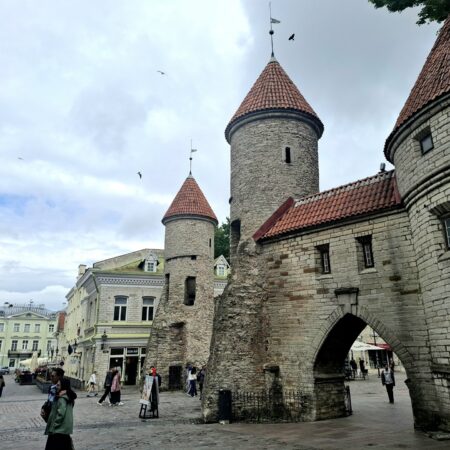
Old Town is the simplest nightlife base for newcomers. The streets around Freedom Square area, Raekoja plats, and Viru Gate stay busy and easy to read. You can walk from bars to clubs without thinking about transit. That is useful if you want late food, drinks, and a dance floor in one area. The medieval setting also gives the night a strong sense of place. By evening, the postcard version of Old Town feels much more animated.
Telliskivi: Creative, Local, and Music Friendly
Telliskivi Creative City gives Tallinn a more local nightlife feel. The area around Balti Jaam mixes street art, warehouse spaces, bars, and small live venues. It suits travelers who want atmosphere before a nightclub finish. Many younger locals choose it for a longer evening, not just one stop. The district feels creative and industrial at the same time.
Rotermann and Noblessner: Polished, Modern, and Waterfront
Rotermann Quarter feels central, stylish, and convenient for dinner plus drinks. Noblessner waterfront is calmer, with more breathing room and a more polished pace. The Põhjala Factory area adds a strong local edge, especially for beer and design lovers. These districts work well when you want a smoother evening before clubbing. They suit people who prefer a modern setting over medieval lanes.
Tallinn Nightclubs in Old Town: Convenience, Crowds, and Late Night Energy
Tallinn clubs near Old Town remain the easiest choice for first time visitors. You get short walking distances, visible nightlife, and a simple plan. That is why Tallinn nightlife for tourists often begins here. Old Town also lets you combine sightseeing and going out on the same evening. The area is lively, but it can feel commercial on the busiest nights. Still, it remains the clearest Tallinn night out guide starting point.
Opening hours vary, but many places warm up later in the evening. Door policy can tighten after 10 pm when weekend crowds build. Some venues stay relaxed, while others expect a sharper look. The safest approach is to arrive earlier and move at your own pace. That gives you more choice and less waiting. The area rewards flexible planning more than last minute decisions.
Why Old Town Works so Well for a First Night Out
Old Town works because everything sits close together. Harju Street, Suur-Karja Street, Sauna Street, Müürivahe Streetand Town Hall Square give you an easy bar hopping route. You can reach most venues on foot without worrying about transport. That keeps the night simple, especially if it is your first visit. The district also lets you move from history to nightlife in minutes. Very few cities make that transition so smoothly.
What to Watch for: Touristy Spots, Queues, and Peak Hours
Weekend nightlife in Old Town can get crowded fast. Some late night places in Tallinn feel more commercial here than in other districts. You may also face queues, ID checks, or a stricter dress code. That is especially common after peak hours begin. Safe walking routes matter more once the streets empty a little later. If the mood feels too busy, head to a quieter neighborhood instead.
Telliskivi and Kalamaja: the Local First Night Out
Telliskivi and Kalamaja show where locals go out in Tallinn. The mood is more creative, less obvious, and often more relaxed than Old Town. Tallinn club atmosphere feels different here because the setting is more industrial and lived in. You are close to culture, food, and music before the club even begins. This makes the area strong for Tallinn nightlife and culture. It also works well for Tallinn evening activities for adults who want a fuller night.
These neighborhoods suit travelers who want a slower start and a more social evening. Tallinn clubs in Telliskivi often feel linked to concerts, bars, and design spaces. Kalamaja adds a residential calm that makes the night feel grounded. Together, they create a local rhythm that visitors notice quickly. The pace is easy, but the evenings still build energy. That balance is part of the appeal.
Telliskivi’s Creative Edge
Telliskivi Creative City is the clearest expression of Tallinn’s creative economy after dark. You get warehouse spaces, design shops, bars, and small live venues in one area. Balti Jaam market sits close enough to make a full evening easy. Many people start here with a drink, then continue elsewhere later. It works especially well for socializing before the club stage. The district feels practical, not staged.
Kalamaja Nights: Laid Back, Local, and Walkable
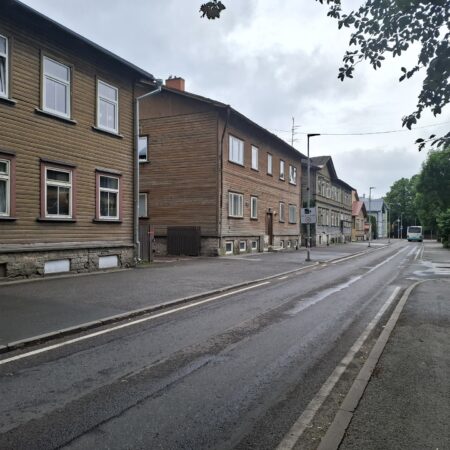
Kalamaja feels quieter and more residential, but it still feeds into nightlife nearby. The wooden houses give the district a distinctive character at night. From there, it is easy to reach Balti Jaam and the edges of Telliskivi. Small groups tend to like this area because it feels calm before the louder part of the evening. You can have a drink, walk a little, and then decide whether to continue. That makes the district useful for a relaxed start.
What to Expect Inside Tallinn Nightclubs
Tallinn nightclubs for first time visitors usually feel more polished than intimidating. Door policy varies, but most places are straightforward if you arrive prepared. Dress code is often smart casual, especially on weekends. Entry after 11 pm can mean more scrutiny at popular venues. Cashless payment is common, so carrying a card is usually enough. A little planning makes the night smoother and cheaper.
How late do clubs stay open in Tallinn depends on the venue and the night. Some stay active until the early morning, especially on weekends. Prices are still manageable by European standards, but they add up quickly. A beer may cost around €5 to €8, while cocktails often sit near €9 to €14. Taxis in Tallinn can vary, so check the app before you leave. That small step helps you avoid a long wait later.
Entry, Dresscode, and Door Expectations
Some places are casual, while others prefer a sharper look. Smart casual nightlife is the safest bet in the city center and Old Town. ID checks are common, so carry your passport or card. Club entry after 11 pm can mean a longer queue at popular spots. Arriving earlier often helps with both entry and mood. Tallinn is polished, but it rarely feels overly formal.
Prices, Payment and Typical Nightlife Costs
Beer prices in euros are usually reasonable, though central venues charge more. Cocktail prices in euros are higher, especially in stylish bars and clubs. A taxi in Tallinn from the center may still be affordable, but weekend demand affects timing. Most venues accept cards, and many visitors never need cash. The main budget risk is buying several rounds before midnight. That is why a loose budget plan helps.
How to Get Around Tallinn at Night Safely
Transport at night is easy enough if you plan ahead. Tallinn is compact, so safe walking routes connect many nightlife areas. Old Town, Rotermann, and central streets are usually manageable on foot. Still, rain, snow, and late hours can change the picture quickly. Tallinn nightlife tips for visitors always include checking the route home before you go out. That small habit saves time later.
Late night tram and taxi options make the city more forgiving than it first appears. Taxis are common, and ride hailing apps are handy after busy weekends. Public transport hubs near the center can help you reset after a long night. If you know your route, you can move between neighborhoods with confidence. That matters if you want to enjoy the night without stress. Tallinn rewards basic preparation.
Walking Between Nightlife Districts
Walking works well between Old Town to Rotermann and Old Town to Telliskivi. These routes are short enough to feel natural, especially in good weather. Safe walking routes are easier to follow because the city is compact and readable. Still, late hours and winter conditions can make taxi use more sensible. The advantage of Tallinn is simple geography. You rarely feel far from the center.
Late Night Transport and Getting Home
Having a reliable exit plan for a late night in Tallinn ensures a smooth trip home. Taxis and app-based rides like Bold or Uber are the easiest options after midnight, though you should expect higher demand and short waits on weekends.
On Friday and Saturday nights, Tallinn also operates a night bus network that connects the city center to major residential districts. These buses typically depart from central hubs like Viru or Vabaduse väljak. Whether you choose a ride-share or a night bus, starting your journey from a central transport hub provides the most flexibility for reaching any part of the city safely.
Tallinn Nightlife by Season and Weekend Rhythm
What is Tallinn nightlife like changes with the weather. Summer brings longer evenings, terrace drinks, and slower transitions between venues. Winter nights feel more direct, with people moving indoors sooner. Seasonal differences shape when people arrive and how long they stay out. That is part of Tallinn after dark, and it affects the whole rhythm. The city feels especially social when the weather is mild.
Tallinn nightlife on weekends is much stronger than weekday nightlife. Friday night crowd energy builds early, then Saturday nightlife often runs later and louder. Weekdays can still be pleasant, but they feel calmer and more selective. If you want the full Tallinn club scene explained, weekends are the best sample. Earlier arrivals also make transport and entry easier. That simple timing choice often improves the night.
Summer Nights Versus Winter Nights
Summer nights often begin with terrace drinks and long walks. Winter club nights, by contrast, move indoors much faster. Seasonal differences change how people plan dinner, drinks, and dancing. When it is warm, people linger between stops more casually. In colder months, the night becomes more direct and practical. Tallinn’s climate is part of the nightlife experience.
Friday and Saturday Patterns
Friday usually feels like the opening act for the weekend. Saturday nightlife is often busier, louder, and more crowded. Weekday nightlife still exists, but it is more local and restrained. Popular places are easier to enjoy if you arrive earlier. That also makes transport planning simpler. For visitors, the weekend is the best time to see the city at full energy.
Nightlife add Ons: Beer Bars, Late Bites, and Cultural Stops
Many Tallinn evenings begin before the nightclub does. Craft beer bars, dinner, and small cultural stops often shape the night first. Estonian beer culture gives the city a strong pre club tradition. Local taprooms and brewpub culture fit naturally into that pattern. You will see people move from one social setting to another without rushing. That makes Tallinn nightlife and culture feel closely connected.
Beer led evenings are especially common in the center and Telliskivi. Some nights start with beer tasting notes and end on a dance floor. That pacing suits visitors who want more than just club time. It also gives you a more rounded feel for the city. The night becomes an experience, not a single stop.
Starting the Night with Local Beer
The craft beer scene in Tallinn offers a diverse selection of local brews that serve as the perfect introduction to the city’s nightlife. While many visitors are already familiar with the high-quality offerings from Põhjala, particularly their dark and barrel-aged selections, the local bars and pubs provide access to a much wider spectrum of Estonian flavors.
When browsing the tap lists in the city, you will frequently encounter selections from Tanker, which is highly regarded for its experimental approach. Their taps often feature refreshing fruited sours and crisp ales that offer a lighter start to a long evening. For those interested in a more traditional taste of the region, Õllenaut is a staple in local pubs. They are known for utilizing local ingredients like juniper and rye, creating balanced ales that reflect Estonian heritage.
If you prefer modern, hop-forward styles, look for Anderson’s on the menu. They specialize in hazy New England IPAs and smooth pastry stouts that provide a rich, contemporary drinking experience. Meanwhile, Lehe offers a broad range of styles that satisfy almost any palate, from sharp West Coast IPAs to intense imperial stouts.
Sampling these brands at a local bar allows you to experience the creative variety of the Estonian craft movement. Many establishments offer small pours or tasting sets, making it easy to navigate the different profiles of these local breweries before moving on to the next part of your night.
Late Bites and in Between Stops
Tallinn’s culinary landscape shifts into a focused survival kit of salty snacks and quick counters once the sun sets. In the heart of the Old Town, subterranean taverns offer heavy fried black bread rubbed with raw garlic to anchor a long night, while neon-lit stalls serving shaved meat wraps and spicy sauces act as the city’s late-night crossroads.
As you move toward the industrial grit of the creative districts, the options become more eclectic. Window service kiosks provide smash burgers and kimchi-topped fries for the gap between a concert and the walk home, while 24-hour service stations offer a surprisingly high-quality refuge for a quick grilled sausage in the pre-dawn hours. Because most formal kitchens close by late evening, these specialized stops become the essential punctuation marks of an adventure, providing the heat and salt necessary to fuel a journey through the Baltic night.
Choosing the Right Tallinn Nightclub Area for Your Trip
Tallinn nightclubs make more sense when you choose by neighborhood first. Old Town is the easiest starting point for first time visitors. Telliskivi and Kalamaja offer a more local, creative evening. Rotermann and Noblessner fit polished, modern nights out. Once you plan transport, dress, and timing, the city becomes very easy to enjoy. That is the real advantage of nightlife in Tallinn.
If you want the simplest route, start with a walkable district and build from there. Pick a local beer stop, then head toward a club or late bar. That approach matches the city’s scale and social rhythm. It also gives you room to adjust if the first venue feels too busy. Tallinn is compact, welcoming, and easy to enjoy once the evening begins.

Other Articles


No Comment! Be the first one.