




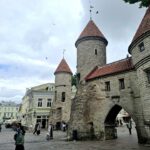


Tallinn Port to Tallinn Old Town
If you are planning Tallinn port to Tallinn Old Town, the good news is simple. The route is short, scenic, and easy for first time visitors. From the Tallinn Cruise Terminal or the wider Port of Tallinn, D Terminal or A Terminal, you can walk, take a tram or bus, or use a taxi. Most travelers choose the walk because it feels like a clean transition from sea air to medieval streets. That is exactly what makes Tallinn port to Tallinn Old Town such a useful arrival route.
This guide gives you clear directions, realistic timing, and local context. You will also see where Rotermann, Kalamaja, Telliskivi, and Noblessner fit into the picture.
How to Get from Tallinn Port to Tallinn Old Town
The simplest answer to how to get from Tallinn port to Old Town is usually to walk. For most visitors, that is the easiest and clearest choice. The distance is short, and the path is manageable even on a first visit. If you are carrying luggage or arriving in heavy rain, public transport or a taxi may feel better. That is the practical side of Tallinn port transport, and it works well for cruise passengers too.
From the Tallinn cruise terminal to Old Town, the walk usually takes 15 to 30 minutes. The exact time depends on which terminal you use and how fast you move. A taxi or ride hail often costs 5 to 12 euros, depending on traffic and drop off point. If you want precise Tallinn port to Old Town directions, think of it as a short city crossing rather than a long transfer. For more terminal specific advice, see our Tallinn cruise port guide.
The Simplest Answer for First Time Visitors
For most first time arrivals, walking is the best option. It keeps things simple and gives you a quick look at Tallinn’s waterfront and city center. If you want the fastest practical choice, start on foot from the Port of Tallinn or the Tallinn Cruise Terminal. You will usually reach Old Town without stress, and the route feels straightforward. This is one of those rare port arrivals where the city opens up quickly.
Visitors with limited mobility, bad weather, or very tight timing may prefer a taxi. That is especially true if you are meeting others or hauling larger bags. Still, most healthy travelers will find the walk easy enough. It gives you a first impression of Tallinn that feels compact and direct. The sea, the port, and the medieval center all sit close together.
When Tram or Bus Makes More Sense
When the weather turns wet or windy, Tallinn port to Old Town by tram or Tallinn port to Old Town by bus can be smarter. Tallinn locals use public transport efficiently, and visitors can do the same. A single ticket usually costs around 2 euros. Rides are short, so this is a good no fuss option if walking feels unappealing. For ticket basics, check our Tallinn public transport tips.
Public transport is also useful if you are carrying bags or traveling with children. The ride usually takes only a few minutes, so it saves energy for the Old Town itself. Signs are manageable, and stops are easy to follow once you orient yourself. Many travelers use this option from the ferry side as well, especially near the Tallinn ferry terminal. It is a practical choice, not a complicated one.
What to Expect on a Cruise Day
On a cruise day, the main issue is usually crowd flow, not distance. A Tallinn cruise port walking map is helpful, but the route is still clear enough without much planning. If your ship arrives with a large group, allow an extra 10 minutes for slow exits and photo stops. That small buffer makes the arrival feel calmer. A good Tallinn port arrival guide should always remind you that rushing is usually unnecessary here.
Most cruise passengers can move from terminal to center without feeling pressed for time. The city is compact, and the route is direct. If you are worried about getting lost, stay relaxed and follow the general flow toward Old Town. Tallinn is friendly to short visits, and the port area is easy to read. You can step off the ship and be in the historic core soon after.
Tallinn Port to Old Town Walk: Distance, Time and Route
The Tallinn port to Old Town walk is one of the easiest city walks in the region. The Tallinn port to Old Town distance is short enough that most visitors can handle it comfortably. For many people, this is less of a transfer and more of a gentle introduction to the city. If you are wondering about walk from Tallinn harbor to city center timing, the answer is usually around 15 to 30min. The route is simple enough for first timers to follow.
From different port points, the experience changes a little. One terminal may be closer to the core, while another adds a few extra minutes. Even so, the best walking route from port remains direct and intuitive. You are moving from water, to newer city edges, to the medieval streets. That shift is part of the appeal of arriving on foot in Tallinn.
How Long the Walk Really Takes
Most travelers should plan 15 to 25 minutes for the Tallinn harbor to Old Town walk. Faster walkers may arrive sooner, while casual walkers often take longer. If you stop for photos, street views, or a quick coffee, the time stretches naturally. The pace stays comfortable, and the route rarely feels demanding. That is why Tallinn port to Old Town on foot works so well for first visits.
Winter can add time because of snow, wind, or slippery pavement. In those months, the walk still works, but your pace may be slower. A compact city like Tallinn makes that feel manageable rather than tiring. You are never far from the center, even when the weather is unfriendly. The city remains easy to read from the port side.
The Best Walking Route From the Harbor
The easiest way to follow the route is to move toward the city center and keep Old Town in mind as your destination. A Tallinn cruise port walking map can help, but landmarks do most of the work. You will likely pass modern streets, open harbor edges, and then start seeing older stone walls. The final approach near historic landmark Fat Margaret feels especially clear.
Sidewalks are generally good, and crossings are straightforward. Comfortable shoes help, especially in winter when ice or slush can slow you down. The shift from port edges to the Tallinn waterfront to Old Town zone is one of the city’s nicest transitions. You move from working harbor space toward a medieval street pattern. That change is part of the charm of Tallinn itself.
What You’ll Notice Along the Way
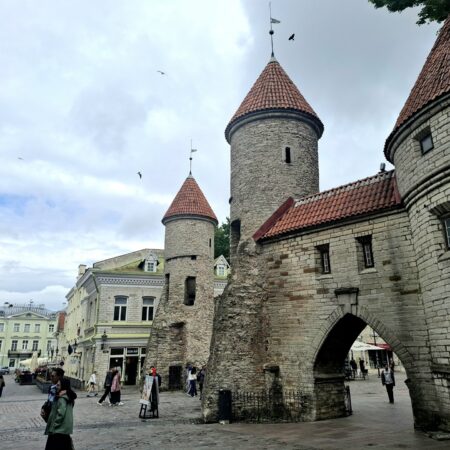
Along the route, you will notice the Tallinn seafront first, then newer streets and the distant outline of the old walls. The city feels practical before it feels historical. Then the towers appear, and the mood changes quickly. That first glimpse of the medieval city walls is one of the clearest arrival moments in Tallinn. The city center suddenly feels close.
Keep an eye on tram tracks, uneven pavement, and winter slush near busier crossings. Those are small details, but they matter on a short walk. The approach is best enjoyed as a mini arrival story, not a rushed errand. You are watching the Tallinn historic center come into view. That is what makes the route memorable.
Neighborhoods Near Tallinn Port and Old Town
The route between the port and Old Town is more interesting than a simple transfer suggests. Several Tallinn waterfront neighborhoods sit nearby, and each one adds a different mood. Rotermann feels polished and central, while Kalamaja is more lived in and creative. Telliskivi brings a stronger cultural edge, and Noblessner adds calm water views. That variety gives the area real local texture.
If you only have a short time, choose one stop and keep moving. If you have more room in your schedule, the neighborhoods can turn the walk into a fuller first impression. This is where the Tallinn port area becomes more than logistics. It becomes part of the city experience. Our linked neighborhood guides can help if you want to dig deeper later.
Rotermann Quarter as the Easiest Detour
Rotermann Quarter is the easiest and most natural detour from the port. It sits neatly between the port edge and the city center, so it does not feel like a separate trip. The mix of restaurants, cafés, and sharp modern buildings makes it a good first pause. If you want coffee or a light meal, this area fits well. It also shows how Tallinn blends old and new without forcing the contrast.
This detour usually adds only a short amount of time. That makes it useful for travelers who want a brief stop before Old Town. Rotermann feels like Tallinn’s modern face beside the historic core. It is clean, compact, and easy to read. In practical terms, it is one of the simplest ways to soften the walk.
Kalamaja and Telliskivi for a Bigger Wander
Kalamaja and Telliskivi sit slightly off the direct route, but they reward travelers with more time. These areas are better for repeat visitors or people staying longer in the city. The streets feel more creative, and the mood is less formal than Old Town. If you are interested in design shops, warehouses, and murals, this is your zone.
Telliskivi Creative City in particular has a strong local feel. You will see people meeting friends, browsing, or settling into cafés. This is not a quick port transfer area. It works better as a half day extension when your schedule allows it. Tallinn shows a more relaxed personality here, and locals know it well.
Noblessner and the Waterfront Edge
Noblessner is a stylish add on for visitors who like harbor views and a calmer pace. It sits near the waterfront edge and feels a little removed from the busier center. The atmosphere is good for a slower drink, a meal, or a walk by the water. If you want more background, our Noblessner waterfront guide has more detail. The nearby Tallinn seafront promenade also gives a pleasant sense of space.
It is worth noting that Noblessner usually needs extra time. In winter, the detour can feel longer than it looks on a map. That makes it better for travelers without a strict ship schedule. The area shows old industrial Tallinn meeting modern leisure. It is an easy place to slow down for a while.
Tallinn Port Transport: Tram, Bus, Taxi and Walking Trade Offs
When people ask about Tallinn port transport, they usually want the simplest good choice. Walking comes first, because it is short and clear. Tram or bus works well if you want a quick, low cost backup. Taxi or ride hail is best when comfort matters more than price. Each option has a place on the route from the Tallinn cruise terminal to Old Town.
The best choice depends on weather, luggage, and energy level. Tallinn is not a difficult city to navigate, so there is no need to overthink it. The main goal is to reach the center without stress. If that means walking, great. If that means a short ride, that is fine too.
Tram and Bus Basics for Port Arrivals
Public transport is easy to use if you do not want to walk. Tallinn port to Old Town by tram and Tallinn port to Old Town by bus both make sense on rainy or cold days. A ticket usually costs around 2 euros. For a quick overview of ticketing and local habits, see Tallinn public transport tips. The system is built for efficient daily use, and visitors can fit in smoothly.
This is especially helpful near the Tallinn ferry terminal or when you are tired after travel. The ride is short enough that it feels like a convenience, not an excursion. Locals use transit this way every day, so it is a normal choice. You do not need special knowledge to make it work. Just keep your destination clear and your timing relaxed.
When Taxi or Ride Hail is Worth it
A taxi makes sense when luggage is bulky or the weather turns unpleasant. It is also useful for families, older travelers, or anyone arriving late. The typical price range is 5 to 12 euros, depending on distance and traffic. That is not cheap compared with walking, but it can be worth it.
This option is practical, not indulgent. It saves time when you need it most. If your main goal is a smooth arrival into the center, a short ride does the job well. The route from the harbor to the core is small enough that taxi use never feels excessive. It is simply a tool for convenience.
Which Option is Best in Winter
Winter changes the equation because sidewalks can be icy and daylight is limited. In those conditions, Tallinn Old Town from port is still reachable, but the walk may feel slower. Grippy shoes help more than anything else. If the streets look slushy, transit becomes more attractive. Tallinn winters are manageable, but they do ask for a little planning.
The city adapts quickly to the season, and so do locals. That means there is no shame in choosing a tram or taxi when needed. If snow is falling or wind is sharp, comfort matters. The walk will still be there on a nicer day. Tallinn simply asks visitors to match the weather.
What to See Between Tallinn Port and Old Town
The route offers more than movement from one point to another. There are real things to see between port and Old Town, and they give the walk more shape. The harbor views, newer buildings, and old stone edges all appear in sequence. That makes the route feel like a compact introduction to the city. You get a taste of both Tallinn waterfront to Old Town and the historic center itself.
If you are arriving for the first time, this is where the city starts telling its story. The harbor feels functional, then the walls appear, then the lanes tighten. Tallinn handles that transition well. It never feels forced. It just becomes more medieval as you move inland.
Landmarks that Mark the Transition Into the Center
The most useful landmarks are easy to spot once you know what to watch for. Viru Gate and Fat Margaret are the clearest signal that you are nearing the center. Pikk Street gives the route more historic texture, while the medieval city walls shape the edge of Old Town. These markers help travelers orient themselves quickly. They are best enjoyed at a slow walking pace.
The approach feels like stepping into another century without losing the modern city behind you. That is one reason the route is so satisfying. You see the transition happen in front of you. The city does not hide its layers. It lets them overlap in a very natural way.
Easy Stopovers for Coffee, Lunch or a Beer
A short pause fits easily into the route if you have 30 to 60 extra minutes. That could mean a coffee stop, a light lunch, or a quick pint in a taproom or brewpub. Tallinn’s beer scene is relaxed enough that a beer tasting can fit into an arrival day without stress. If you want to explore further, see our best areas for craft beer in Tallinn.
Beer works best as a low pressure pause, not a long detour. That is especially true near the port and Old Town corridor. A quick stop in the right neighborhood can make the arrival feel more local. You may find good options around Rotermann. Tallinn rewards people who keep their plans flexible.
Best Photo Moments on the Approach
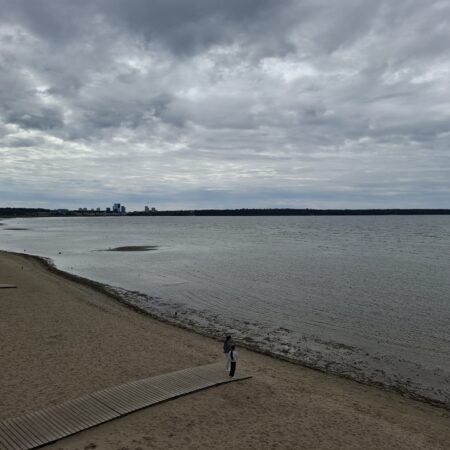
The strongest photo moments usually come from the contrast between the harbor and the old stone skyline. The Tallinn cruise terminal area offers open water views, while the center gives you towers and walls. That shift creates a strong visual story in a small space. The Tallinn historic center looks especially sharp when the light is low and the sky is bright. Morning and late afternoon both work well.
Winter light can also be beautiful in Tallinn, especially when the air is clear. Evening glow makes the stone look warmer than you might expect. Keep your camera ready, but do not overplan every shot. The city gives you plenty of natural moments. The best ones often appear when you are simply walking.
Tallinn Port Arrival Tips for a Smooth First Visit
A good Tallinn port arrival guide is mostly about small, practical choices. Bring the right shoes, keep an eye on the weather, and avoid overpacking your day. If you are wondering whether is Tallinn Old Town walkable from the cruise port, the answer is yes for most travelers. The main task is staying comfortable while you move. That is especially true in the Tallinn port area to Old Town corridor.
Think in terms of easy preparation, not heavy planning. A little readiness goes a long way in a maritime city. Tallinn is very usable on arrival, but the weather can shift fast. Once you know that, the route becomes much easier to enjoy. Small details make the trip smoother.
What to Pack or Wear for the Walk
Comfortable shoes matter more than anything else on this walk. Cobblestones, sidewalk seams, and sea breeze can make flimsy footwear annoying. A spare layer is wise in colder months, and a small umbrella helps when rain moves in. If you are carrying a Tallinn cruise port walking map, keep it as a backup rather than a crutch. The city is easier to handle when you dress for movement.
These are the kinds of details locals would mention without fuss. They are simple, but they matter. Tallinn’s waterfront neighborhoods can feel breezy even when the center seems calm. A practical outfit lets you enjoy the route instead of reacting to it. That is usually the best approach.
Common Mistakes Visitors Make
The biggest mistake is overcomplicating a short route. Many visitors spend too long deciding between walking and transit. Others underestimate the weather and then feel uncomfortable halfway in. It is better to keep your plan simple. The route from the Tallinn port transport zone to the center does not need much strategy.
Another common issue is forgetting ship timing. If you are on a cruise, check your departure time before lingering too long.
Seasonal Differences Worth Noting
Summer is the easiest season for the walk because the light is long and the air feels softer. The Tallinn seafront promenade also becomes more pleasant then. Winter often favors a shorter route or public transport, especially if the sidewalks are slippery. Shoulder season often gives the best balance of space and comfort. That is when Tallinn harbor to Old Town walk can feel especially relaxed.
The city changes character with the weather, and that is part of its appeal. Tallinn feels open in summer and more focused in winter. Either way, the route remains workable. You just need to match the pace to the season. That is a very Tallinn kind of lesson.
Beer-Friendly Stopovers near Tallinn Port and Old Town
If you enjoy craft beer, the port to center route has a few natural places to pause. Rotermann, Kalamaja, Telliskivi, and parts of Old Town all fit a short beer stop well. You can find a brewpub, a casual taproom, or a small place for beer tasting without building your whole day around it. Tallinn makes room for that kind of stop. It feels local without being complicated.
The key is to keep the stop short if you are on a cruise schedule. One beer is usually enough for most short visits. You can always save the deeper tasting plan for a longer stay. This is a city where beer fits naturally into walking, eating, and looking around. It is part of the route, not a distraction from it.
Where Beer Fits Naturally Into the Route
Beer fits best in Rotermann, Kalamaja, Telliskivi, or after the walk in Old Town. Rotermann Quarter is especially easy because it sits right on the natural path. Telliskivi Creative City also works well if you want a more creative, casual setting. The point is to keep the stop close to your route. That makes the plan feel relaxed and realistic.
For shore visitors, one beer stop is usually enough. That keeps the day balanced and leaves time for the city itself. Think of beer as part of the urban texture, not a separate mission. Tallinn handles that balance very well. The city feels comfortable whether you are walking, eating, or just sitting for a while.
A Light Guide to Local Beer Culture
Estonian beer culture has a practical, local character. Brands like Põhjala, Tanker, and Õllenaut show how much the scene has grown. You will find crisp lagers, hoppier IPA options, and deeper styles like dark beer. A dark lager or a small tasting pour can work well on a short stop.
The best thing about the scene is that it feels integrated into everyday Tallinn life. Beer is not treated as a novelty. It sits alongside food, design, and neighborhood energy. That makes it a good fit for travelers who like to explore through local places. It also keeps the experience grounded and easy to enjoy.
How to Keep a Beer Stop Cruise Friendly
Keep the stop modest and watch your clock. If you plan to visit a bar or do a quick tasting, leave enough time to return comfortably. Food helps, especially if you are drinking before a long walk back. A sensible pause keeps the day smooth. That is the whole point on a port visit.
Do not let a good pint turn into a rushed exit. Stay oriented, and keep your return route simple. If the ship schedule is tight, choose the shortest option. Tallinn rewards restraint almost as much as curiosity. That is what makes it easy to enjoy.
If You Have More Time: a Half Day Route from Tallinn Harbor to Old Town and beyond
If you are not just transferring, you can turn the route into a small city day. Start at the harbor, pass through Rotermann, and continue into Old Town. Add a coffee stop, a slow lunch, or a beer break if timing allows. This version of Tallinn harbor to Old Town is better for weekend travelers and independent visitors. It feels fuller without becoming complicated.
For people who want more than a straight line, this route gives a good balance. You see the port, the city center, and at least one neighborhood with character. That makes the arrival feel like an introduction, not just transportation. The city opens in layers. That is one of Tallinn’s strongest qualities.
A Compact Route for a Short Stay
For a short stay, keep it simple. Go from the port to Rotermann Quarter, then continue to Viru Gate and Old Town. Add one coffee stop or a quick drink if the schedule allows. This version works well in 2 to 4 hours. It gives enough room for wandering without losing your day.
If you want an Old Town overview after that, our Tallinn Old Town first visit guide is a helpful next step. The route stays efficient, but it still feels textured. That is the sweet spot for a first port day. You see the city without feeling rushed. Tallinn works especially well in that format.
A Richer Route for Repeat Visitors
Repeat visitors can push farther toward Kalamaja, Telliskivi, or Noblessner. Those areas give you a more local, neighborhood forward experience. They also work well if you have already seen the main square and the city walls. This version fits travelers with at least half a day free. It feels more like everyday Tallinn.
If that sounds right for you, Kalamaja neighborhood and Noblessner waterfront fits for you. These districts show the city beyond postcard views. They are good places to slow down, browse, or sit by the water. That is often where Tallinn feels most lived in.
How to Choose Your Version of the Route
Choose the shortest route if your time is limited or the weather looks poor. Choose the expanded version if you are staying overnight or visiting in shoulder season. The Tallinn route from terminal to Old Town is flexible enough for both. You can keep it minimal or turn it into a broader city walk. That flexibility is part of the appeal.
If you enjoy scenery, food, or beer, add more time. If you just want to reach the center efficiently, keep moving. The Tallinn waterfront promenade and nearby neighborhoods give you options either way. Tallinn respects different travel styles. That makes planning pleasantly easy.
Final Thoughts on Tallinn Port to Tallinn Old Town
Tallinn port to Tallinn Old Town is short, walkable, and easy for most first time visitors. Rotermann, Kalamaja, Telliskivi, and Noblessner can make the journey richer if you have time. Tram, bus, and taxi are reliable backup options when weather or luggage changes the plan. The arrival experience is practical, but it also says a lot about the city. That mix is very Tallinn.
If you want the most authentic first impression, walk it and let the city unfold naturally. If you need speed, use transit and head straight into Old Town with confidence. Either way, the route is manageable and welcoming. Tallinn makes a strong first impression without trying too hard. Enjoy the harbor, the walls, and the easy way the city introduces itself.

Other Articles

No Comment! Be the first one.